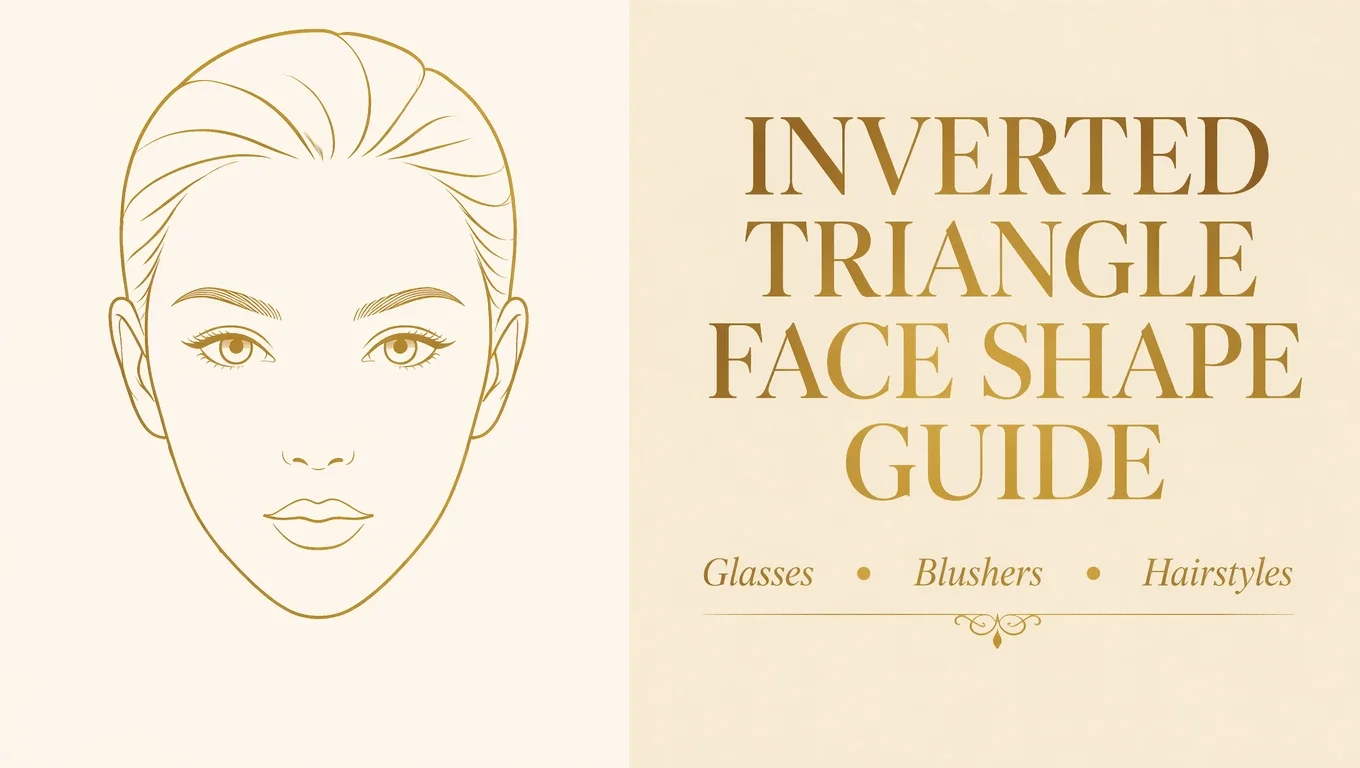
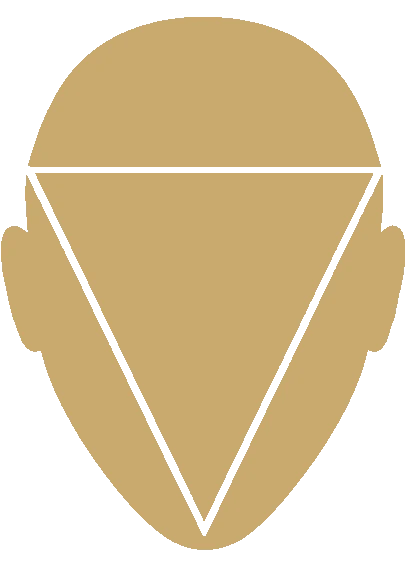
An inverted triangle face shape is wide at the top — broad forehead and prominent cheekbones — and narrows significantly toward a pointed or narrow jaw. It is the reverse of the triangular face shape. The styling goal is to draw attention downward and add the impression of width at the jaw, balancing the strong upper face with a fuller-looking lower face.
What Makes an Inverted Triangle Face Shape
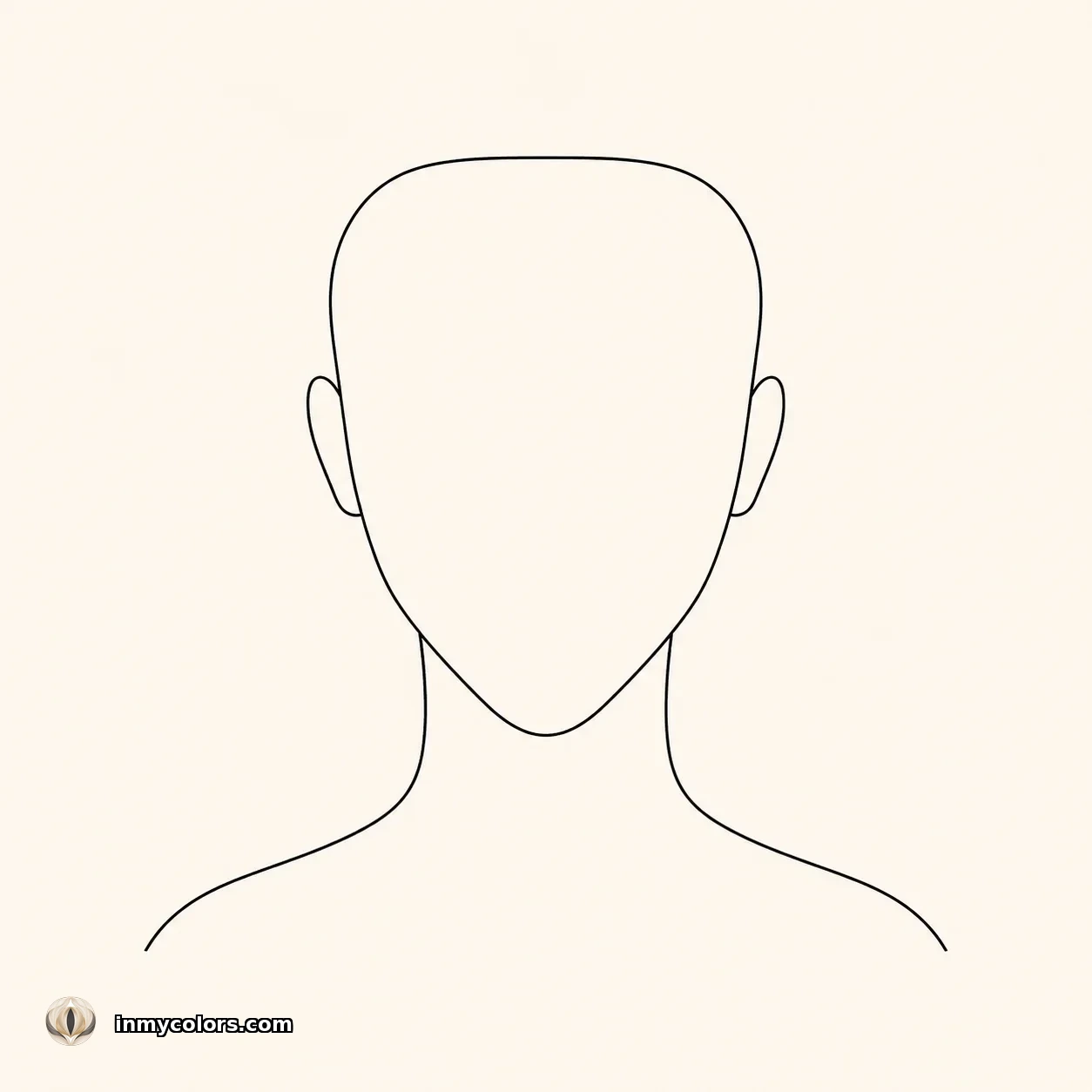
The defining features of an inverted triangle face:
- ✦Forehead and/or cheekbones are the widest part of the face
- ✦Jaw is notably narrower than the forehead
- ✦Face narrows as it moves downward
- ✦Chin is often pointed or narrow
The distinction from triangular: the inverted triangle widens at the top, the triangular widens at the bottom. The distinction from heart: some classification systems use "heart" for the same shape; the distinction is subtle and the styling advice is identical.
Diamond as a variant: If your cheekbones are the widest point — rather than your forehead — you may be classified as a Diamond face shape in some systems. The forehead and jaw are both narrower than the cheekbones. For styling purposes, Diamond and Inverted Triangle are treated the same: both have a narrow lower face that needs visual balance. The advice in this guide applies equally to both.
Celebrity Example
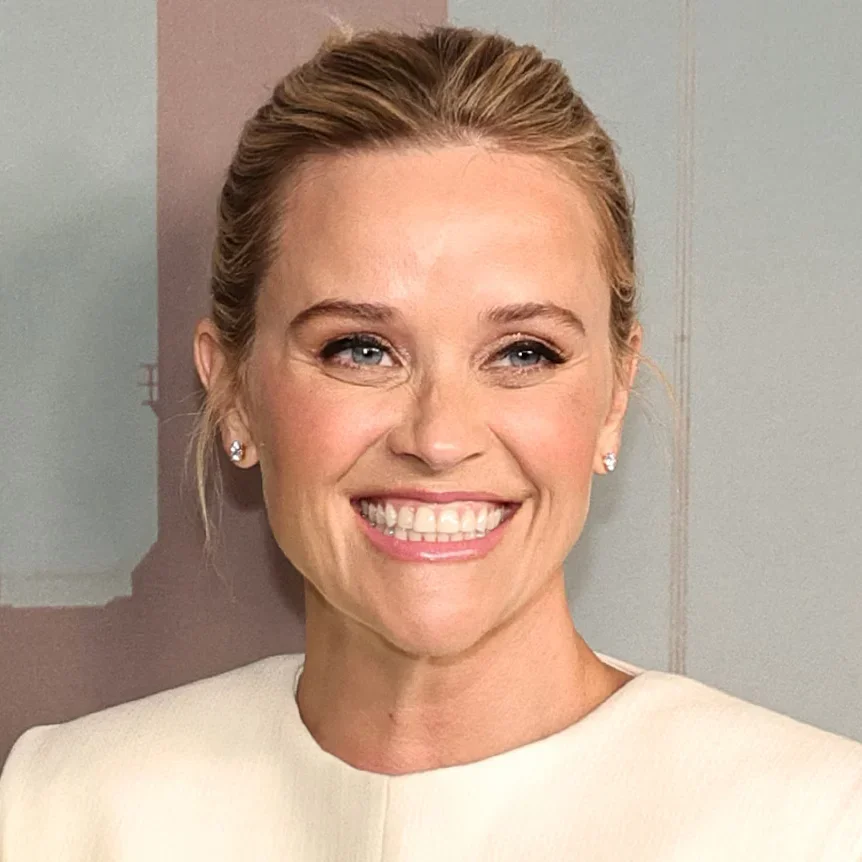
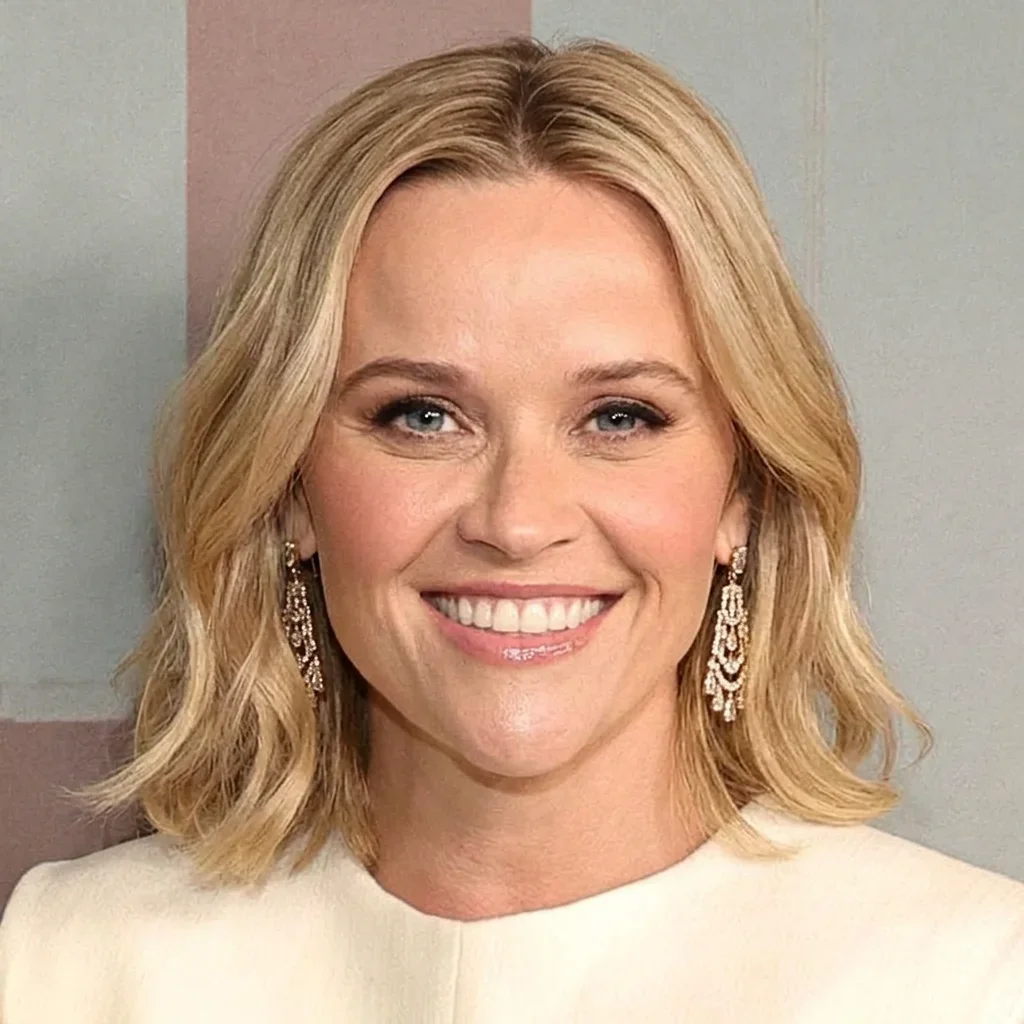
Reese Witherspoon is one of the most cited inverted triangle face shape examples — a broad forehead and prominent upper face tapering to a narrow, pointed chin. Her best looks consistently add weight and interest at the jaw level and avoid adding visual volume at the already-wide forehead and temples.
Best Glasses for Inverted Triangle Faces
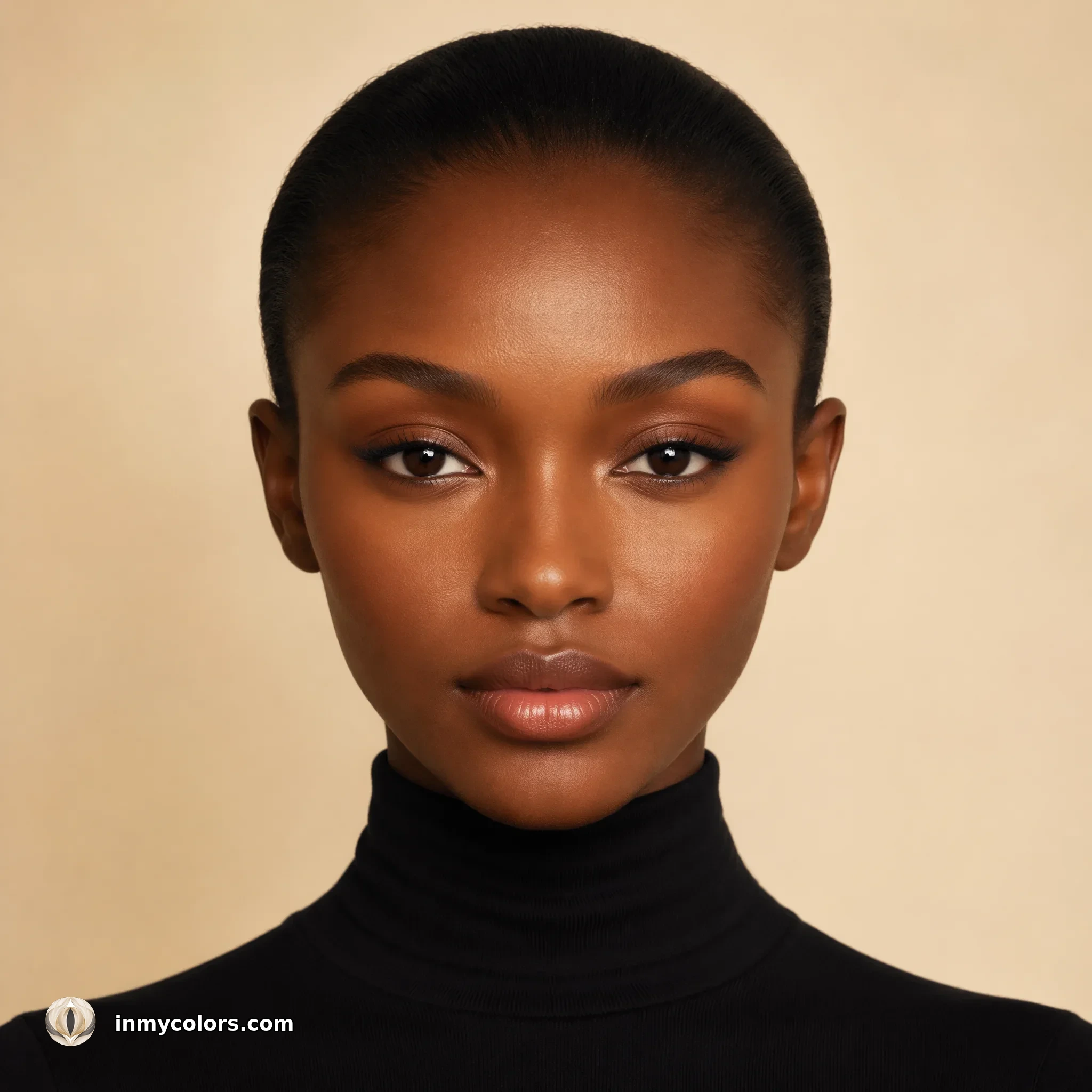
The goal is to add visual weight at the bottom of the frame and avoid drawing attention to the wide upper face.
Best choices:
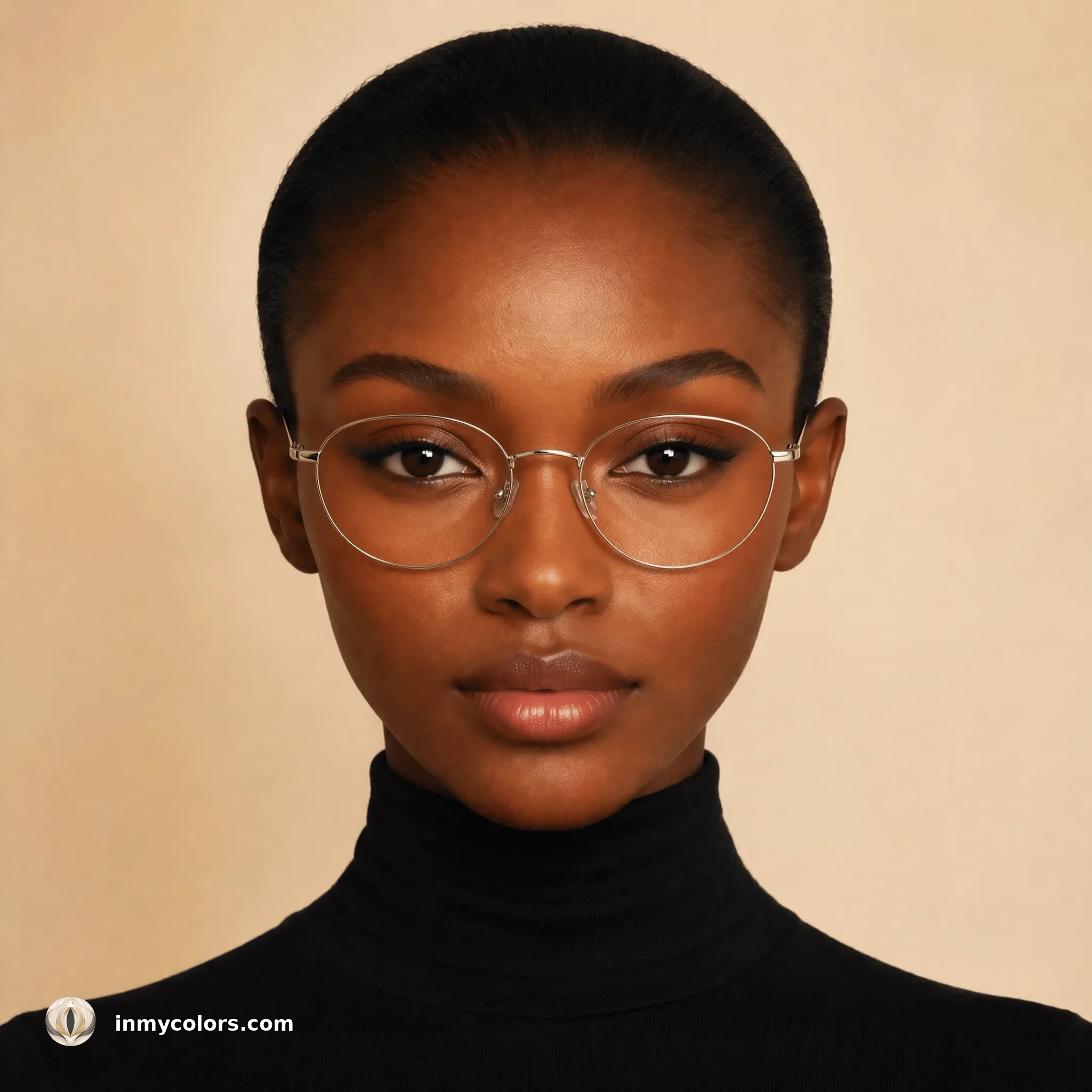
Oval frames are the classic recommendation — their rounded shape adds softness to the strong cheekbones and their even, non-dramatic top line avoids adding visual width to the already-wide forehead zone.
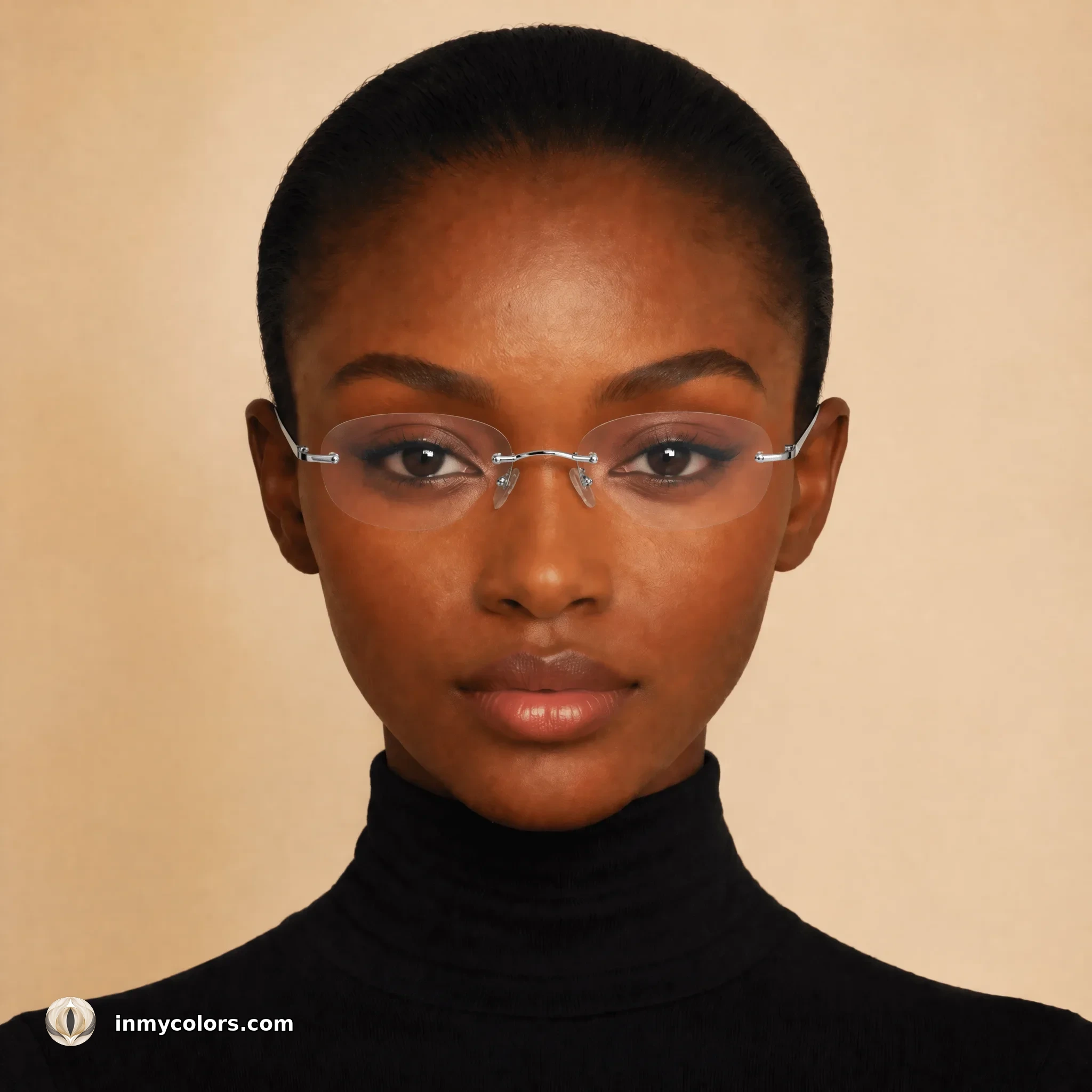
Rimless or very light frames minimise visual weight throughout, which works well for a face with strong upper-face presence that doesn't need further emphasis.
What to avoid:
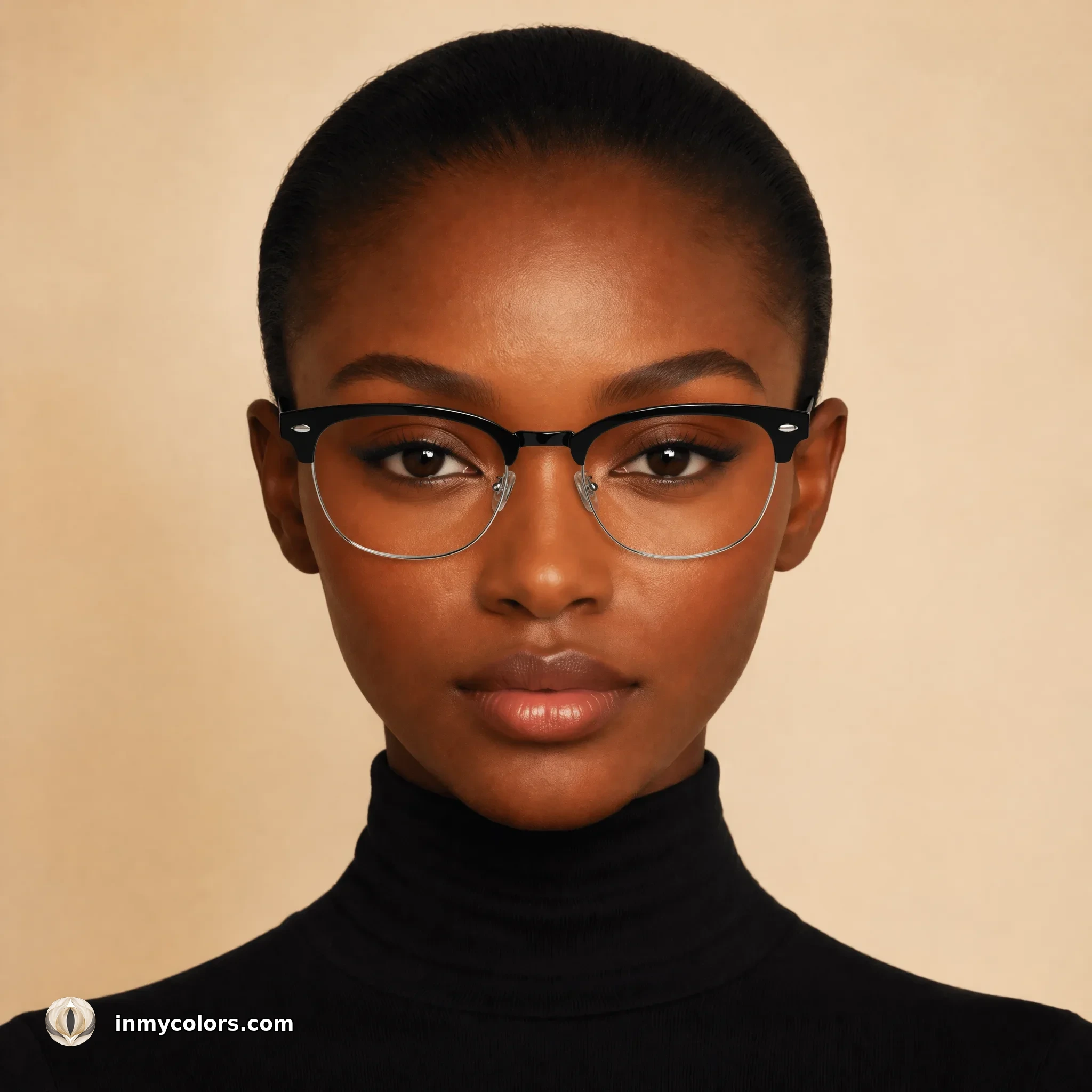
Browline frames concentrate visual weight at the top of the frame — exactly where an inverted triangle face doesn't need it. Strong brow bars draw the eye to the forehead and cheekbones, increasing the top-heavy appearance.
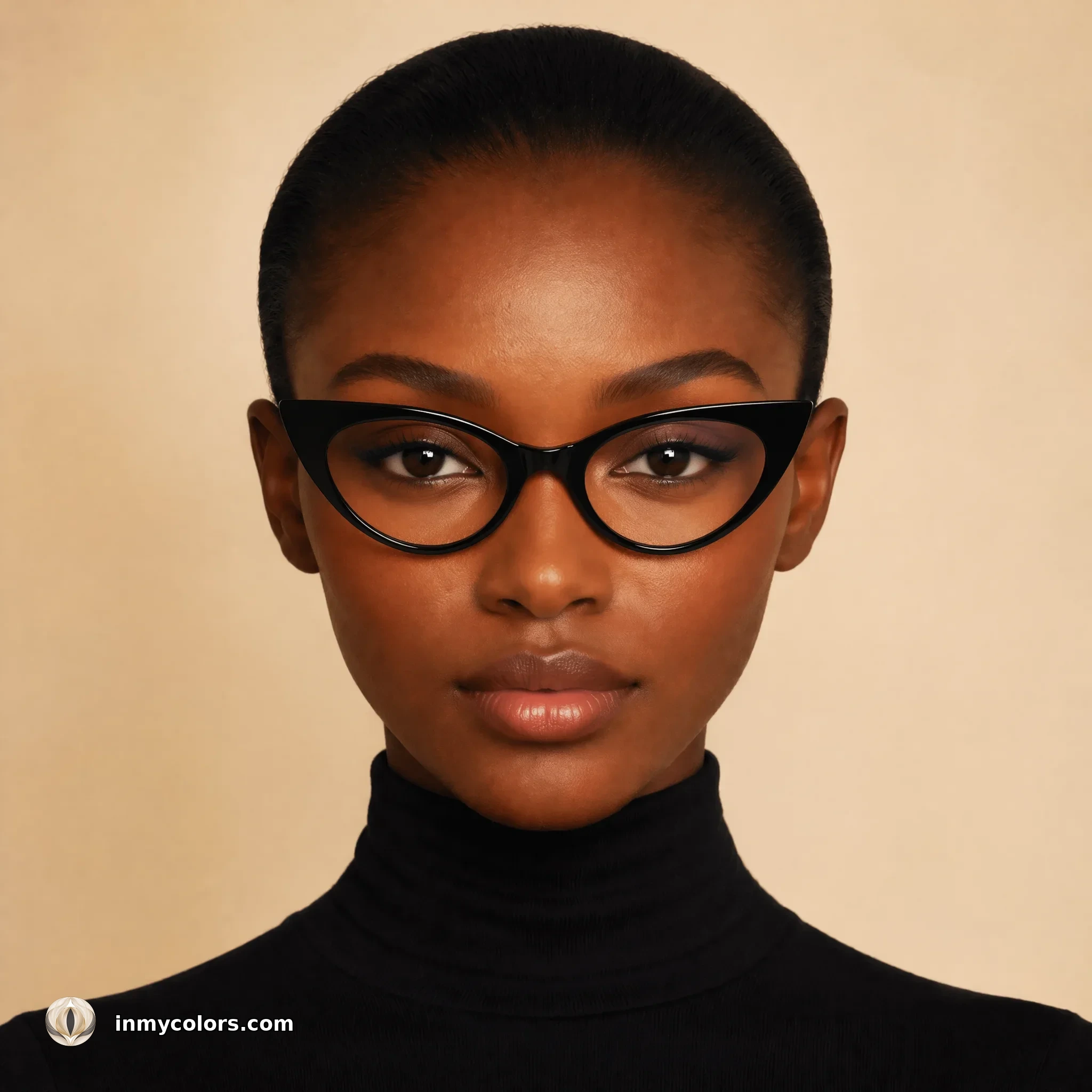
Cat-eye frames that sweep dramatically upward and outward add width at the temples — again, the wrong place for an inverted triangle.
→ Best glasses for all face shapes
Best Blusher Placement for Inverted Triangle Faces
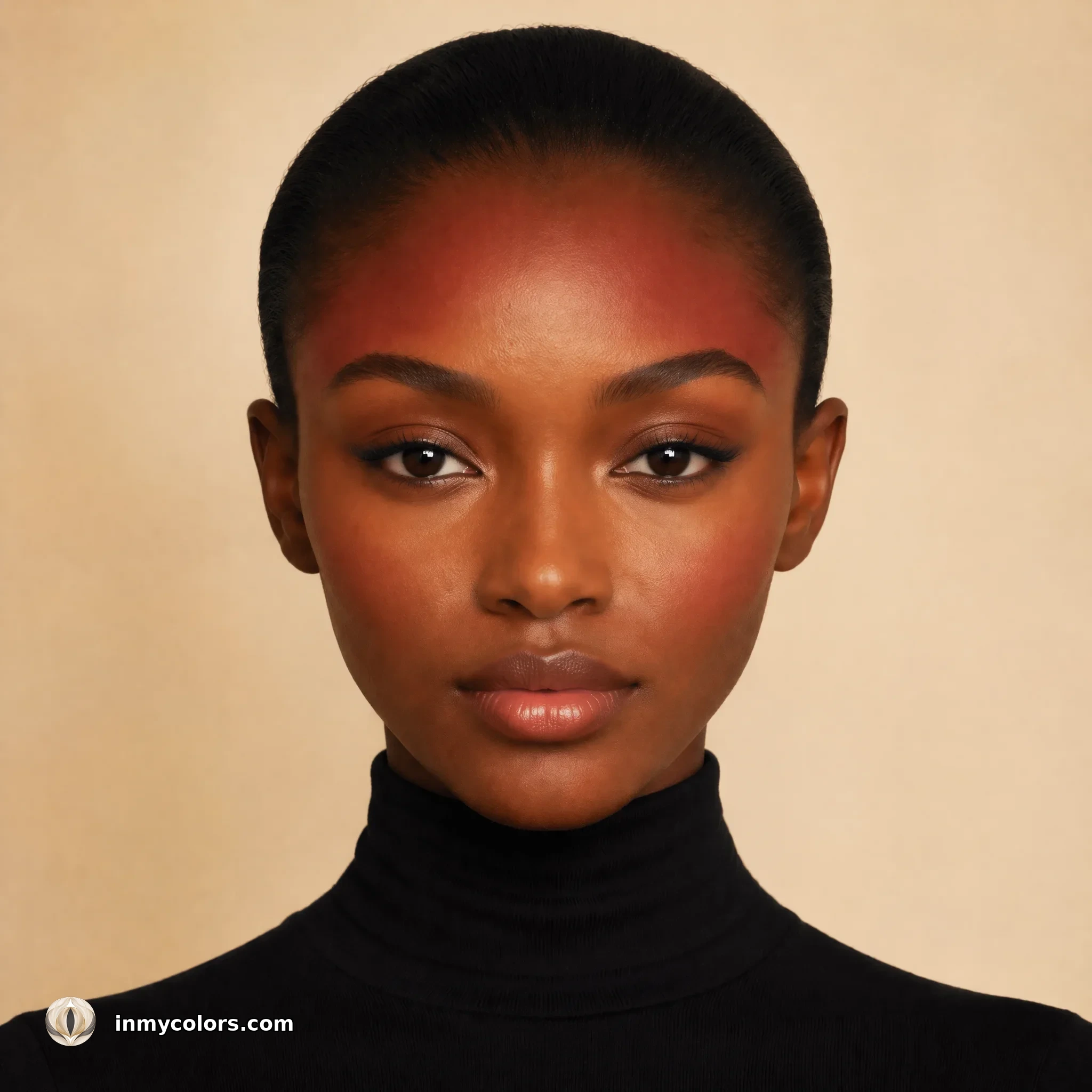
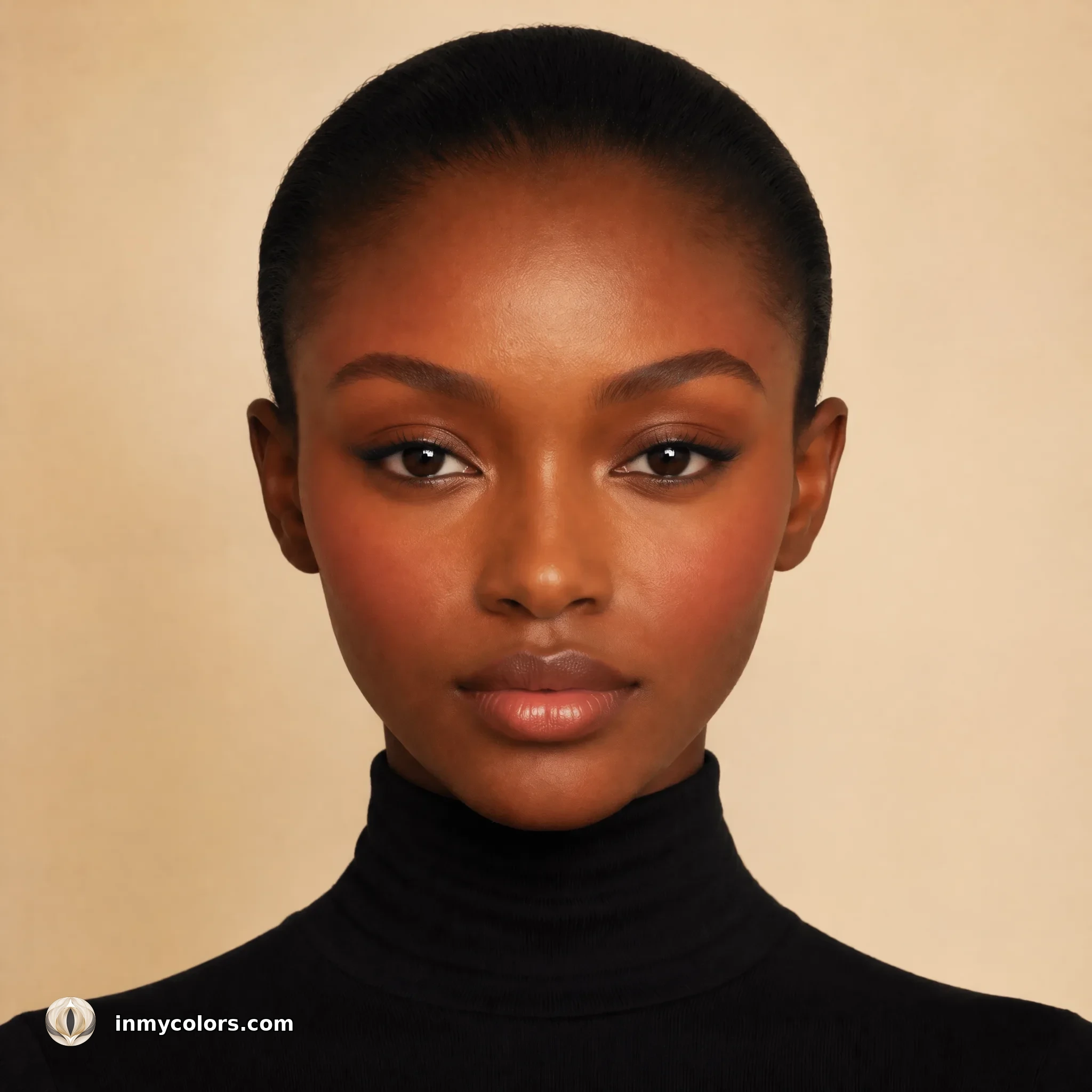
Blusher placement for inverted triangle faces should draw the eye downward and add the impression of width at the lower face.
Do: Apply blusher lower on the cheeks than you might for other face shapes — closer to the lower cheekbone and jaw area. Blending downward and toward the corners of the jaw adds visual weight to the lower face. Using a slightly deeper shade than usual increases this effect.
Avoid: Applying blusher high on the cheekbones or at the temples. This draws the eye upward to the already-wide upper face and makes the top-heavy quality more pronounced.
→ Best blusher placement for all face shapes
Best Hairstyles for Inverted Triangle Faces
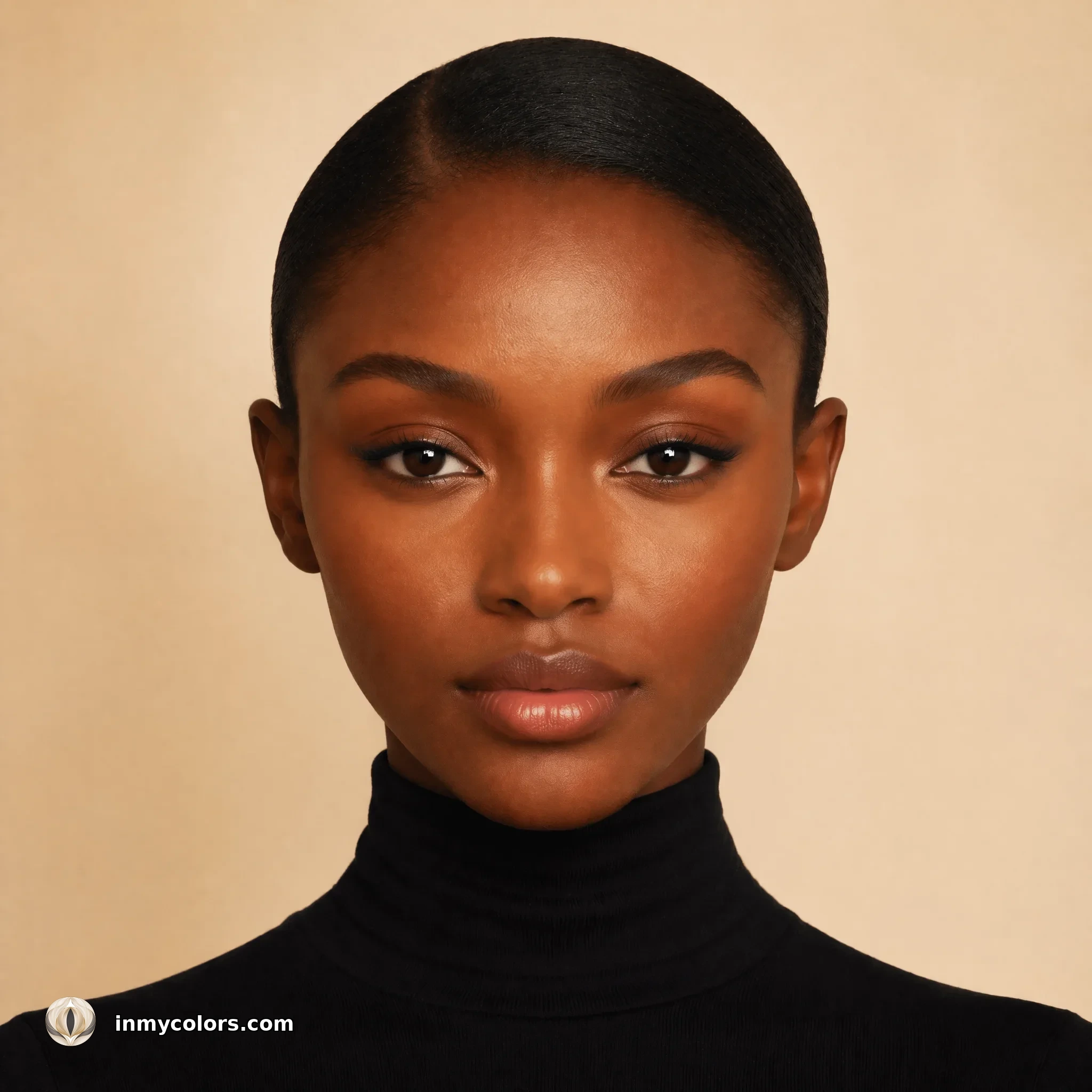
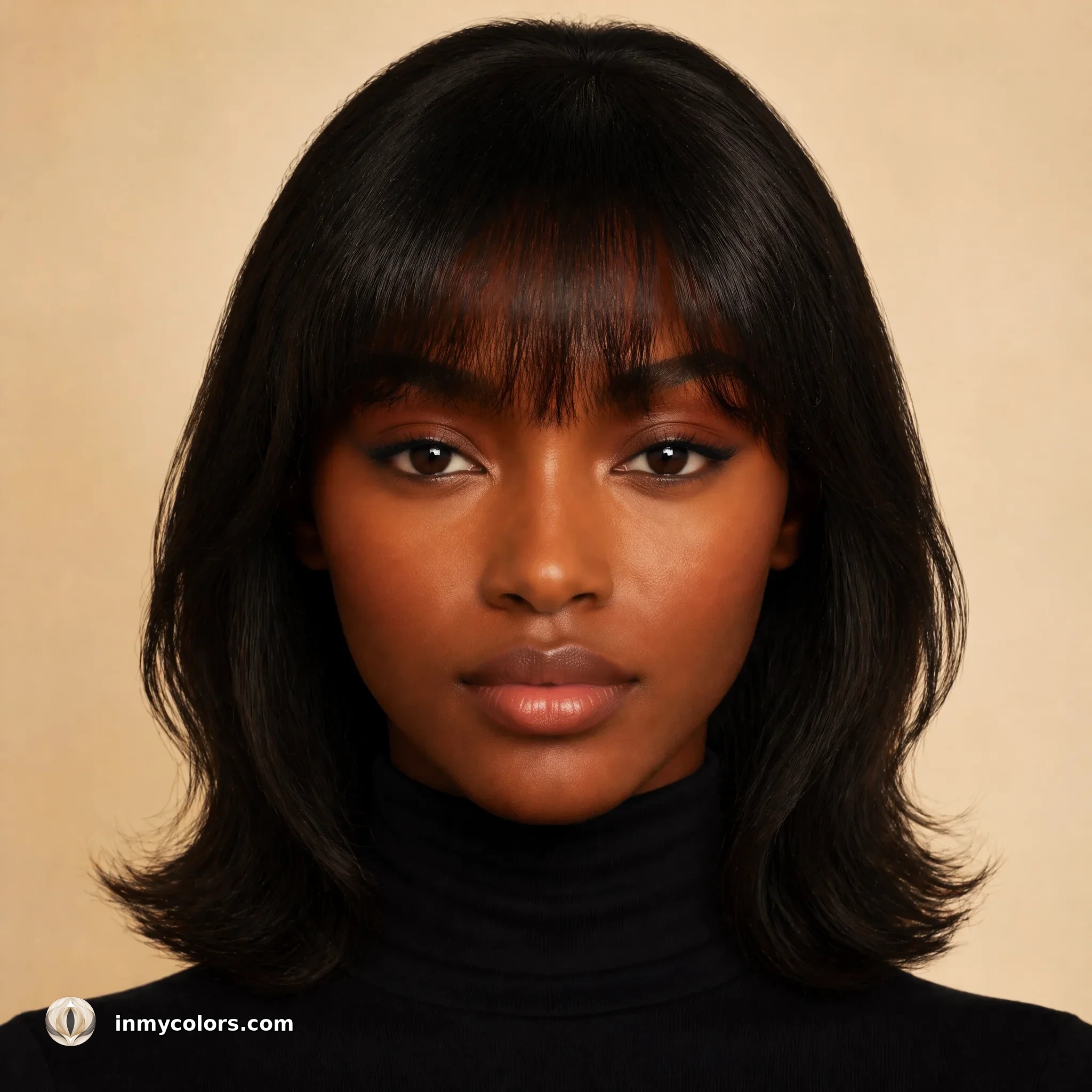
Hairstyles that add volume and width at the jaw and chin level, and reduce visual width at the temples and forehead, work best.
Do:
- ✦Volume at the jaw and neck level — curls, waves, or flicks that open outward below the cheekbones
- ✦Chin-length bobs that add width exactly at the jaw
- ✦Styles that are fuller at the bottom and flatter at the top
- ✦Side-swept styles that reduce forehead width
Avoid:
- ✦Volume at the crown and temples — this adds width exactly where the inverted triangle is already widest
- ✦Styles slicked back at the temples that make the forehead appear even broader
- ✦Very tall updos with nothing at the jaw level
→ Best hairstyles for all face shapes
The Inverted Triangle's Presence
Inverted triangle faces have a naturally striking quality — strong cheekbones and a defined jaw are features that photographers and illustrators deliberately seek. The styling principle is simple: balance the top by adding interest at the bottom. Once that balance is found, the inverted triangle's strong upper structure becomes an asset rather than a proportion to work around.
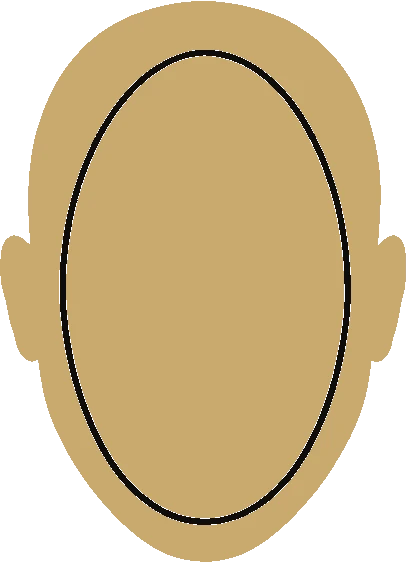
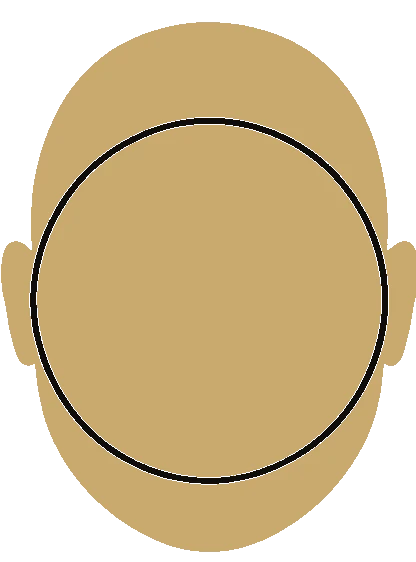
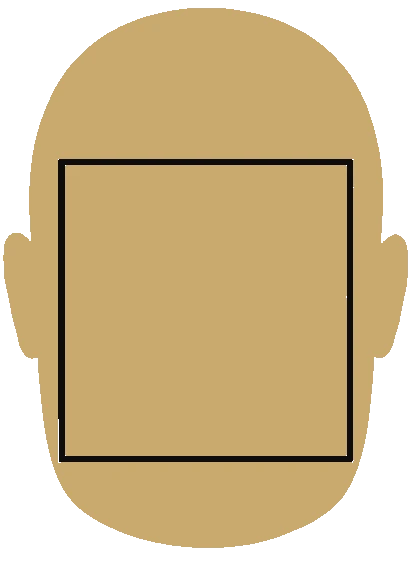


Which face shape are you?
Upload a photo. In My Colors reads 468 points of your face in seconds and tells you your exact shape — plus personalised advice on glasses, hairstyles, makeup and earrings.
Find my face shape →100% private — your photo never leaves your device.
Find your face shape at inmycolors.com.