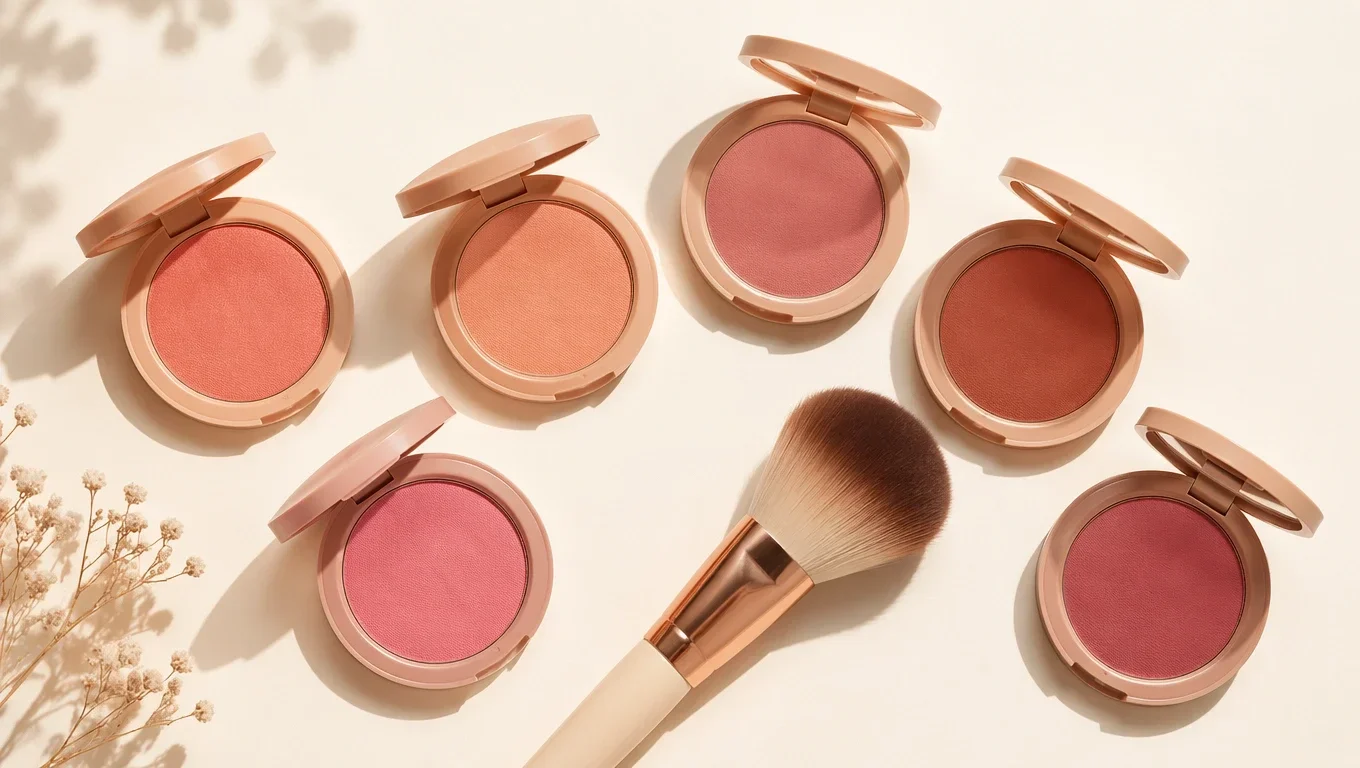
Blusher is one of the most powerful and most misused tools in makeup. Applied in the right place, it sculpts, lifts, and balances. Applied in the wrong place — or applied the same way regardless of face shape — it can add width where you don't want it, shorten a face that doesn't need shortening, or draw the eye to a feature you'd rather not emphasise.
The single most important variable in blusher placement is face shape. Here is how to apply it for each.
Oval Face Shape
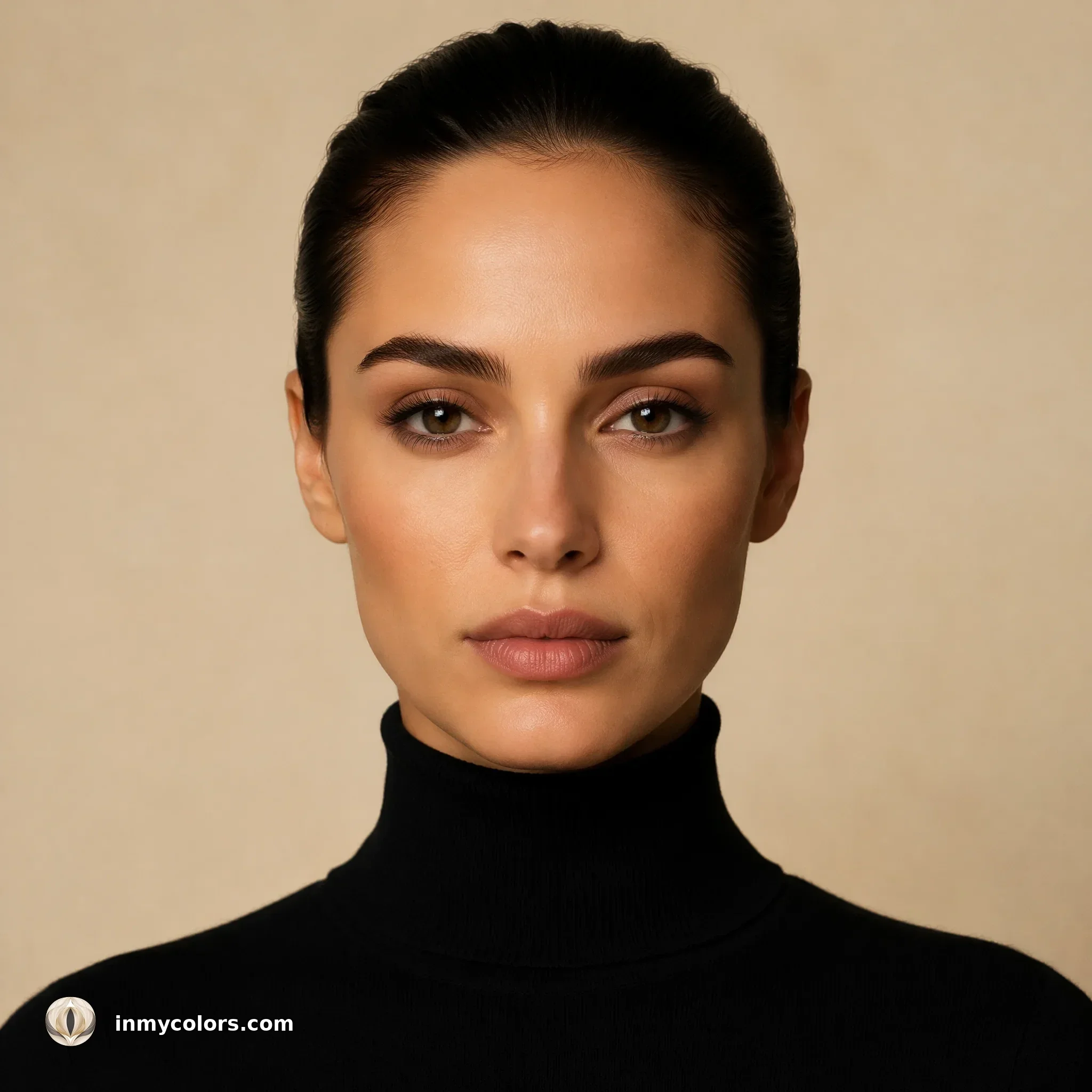
Do: Apply blusher to the apples of the cheeks and blend upward toward the temples in a soft, wide C-shape. This lifts the face and draws attention to the cheekbones — the oval's natural widest point and its most flattering feature.
Avoid: Placing blush too low on the face or toward the jaw. This shortens the face and works against the oval's natural balanced length.
The oval face has no major proportion to correct, so blusher is purely about enhancement — colour and glow in the upper-cheek zone is all that's needed.
Round Face Shape

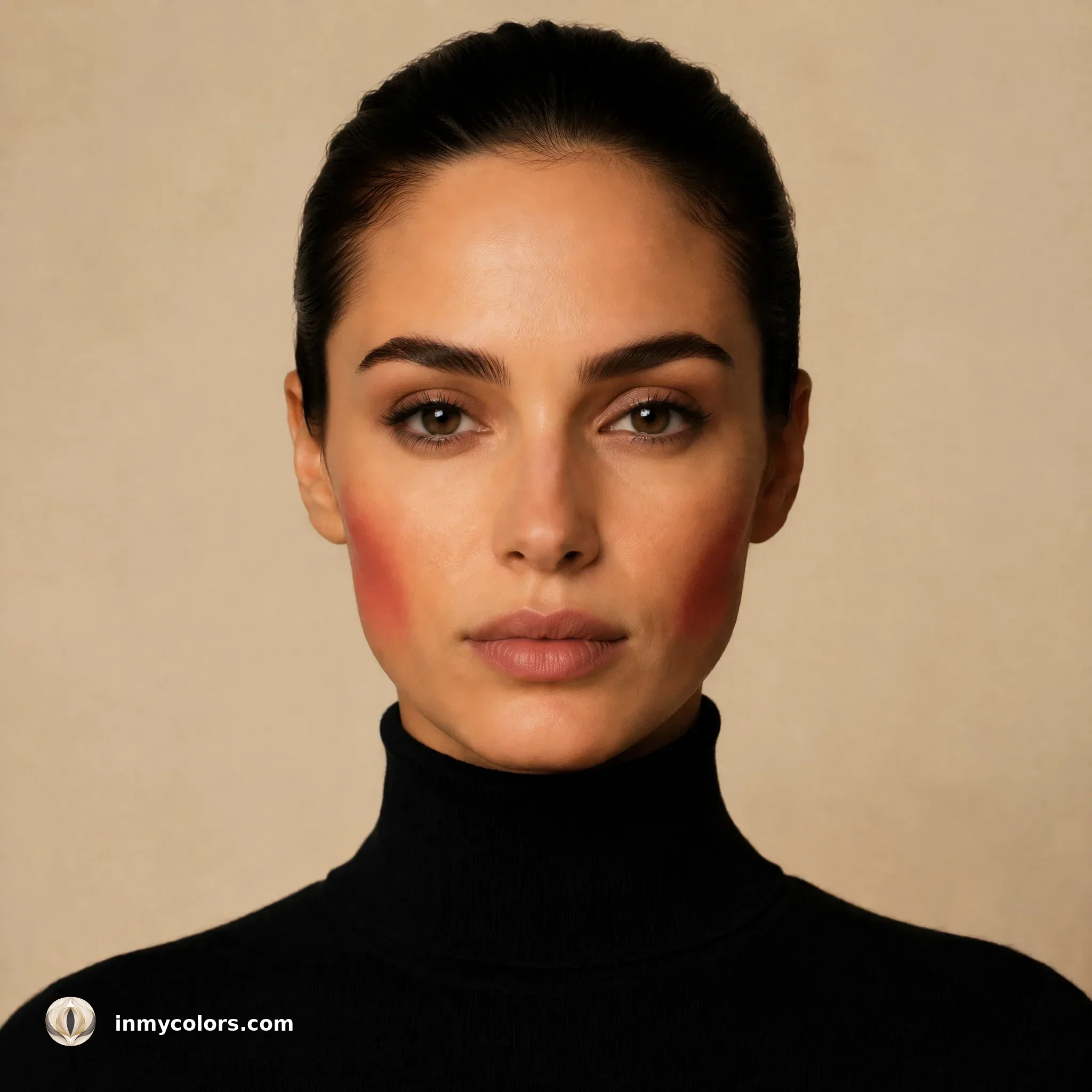
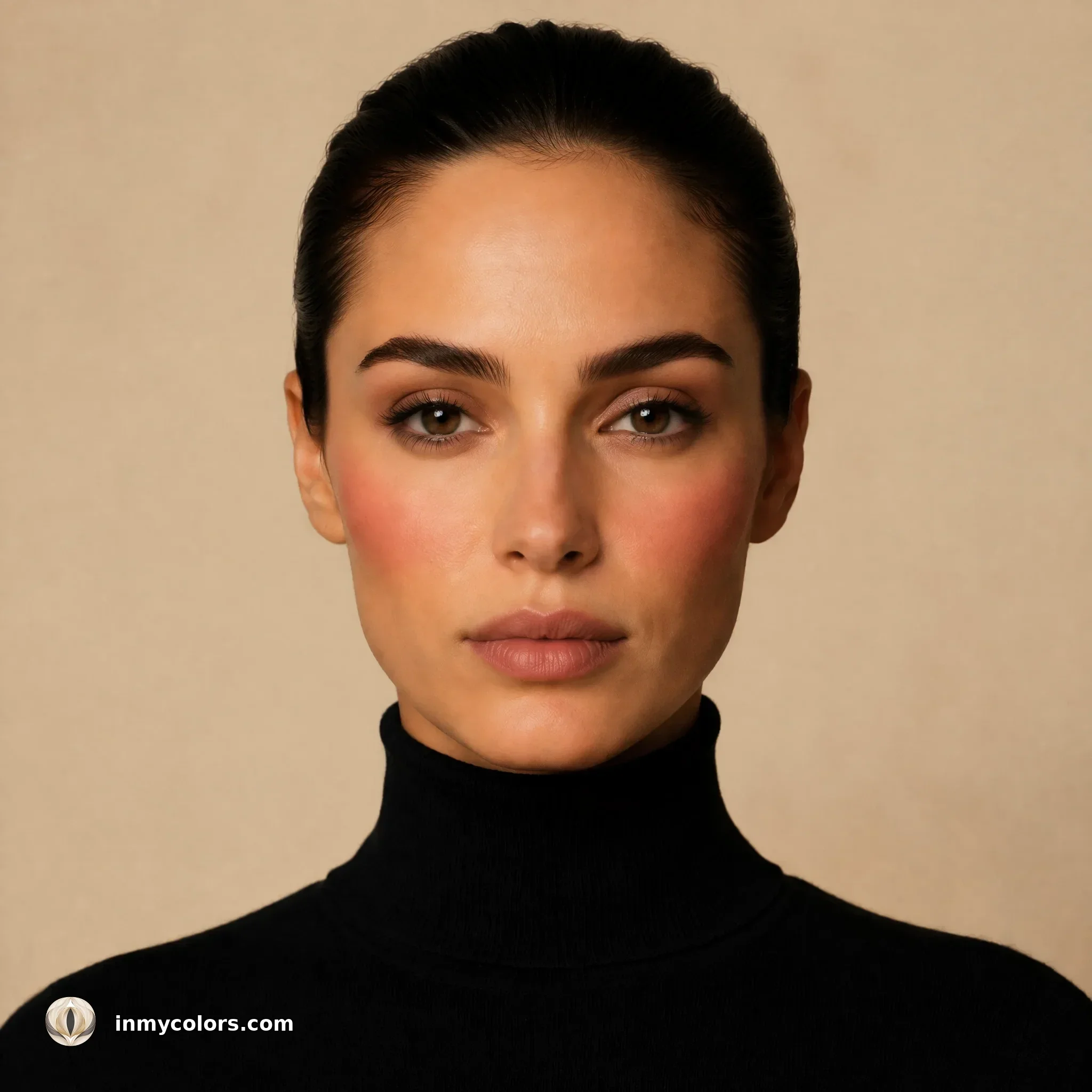
Do: Apply blusher in a diagonal line from the middle of the cheekbone upward toward the temples. This creates a sculpting effect that defines the cheekbone and draws the eye upward and outward, adding a sense of length and definition.
Avoid: Circular application directly on the apples of the cheeks. This adds visual roundness to an already round face — the most common blusher mistake for this shape. Round placement makes a round face look rounder.
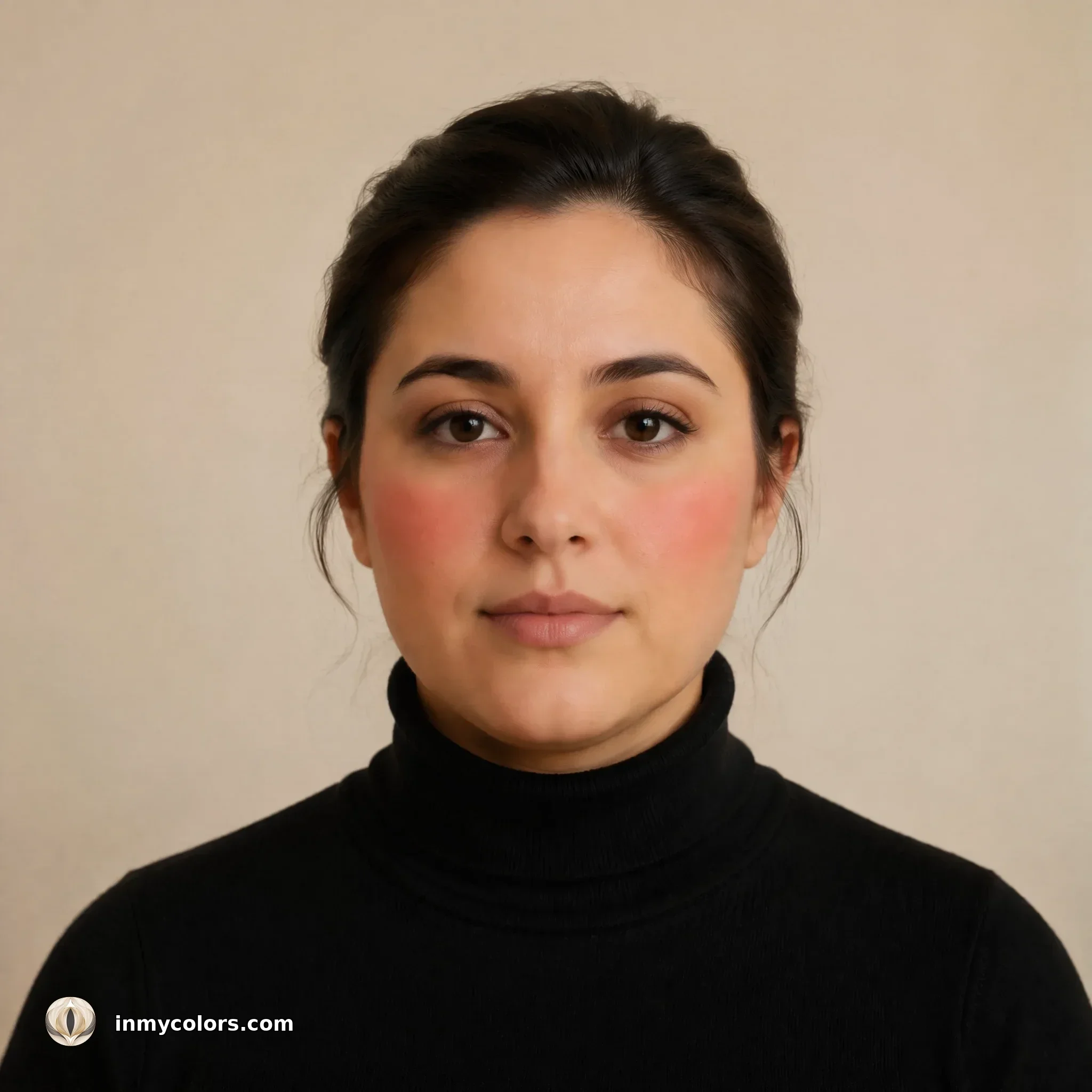

Square Face Shape
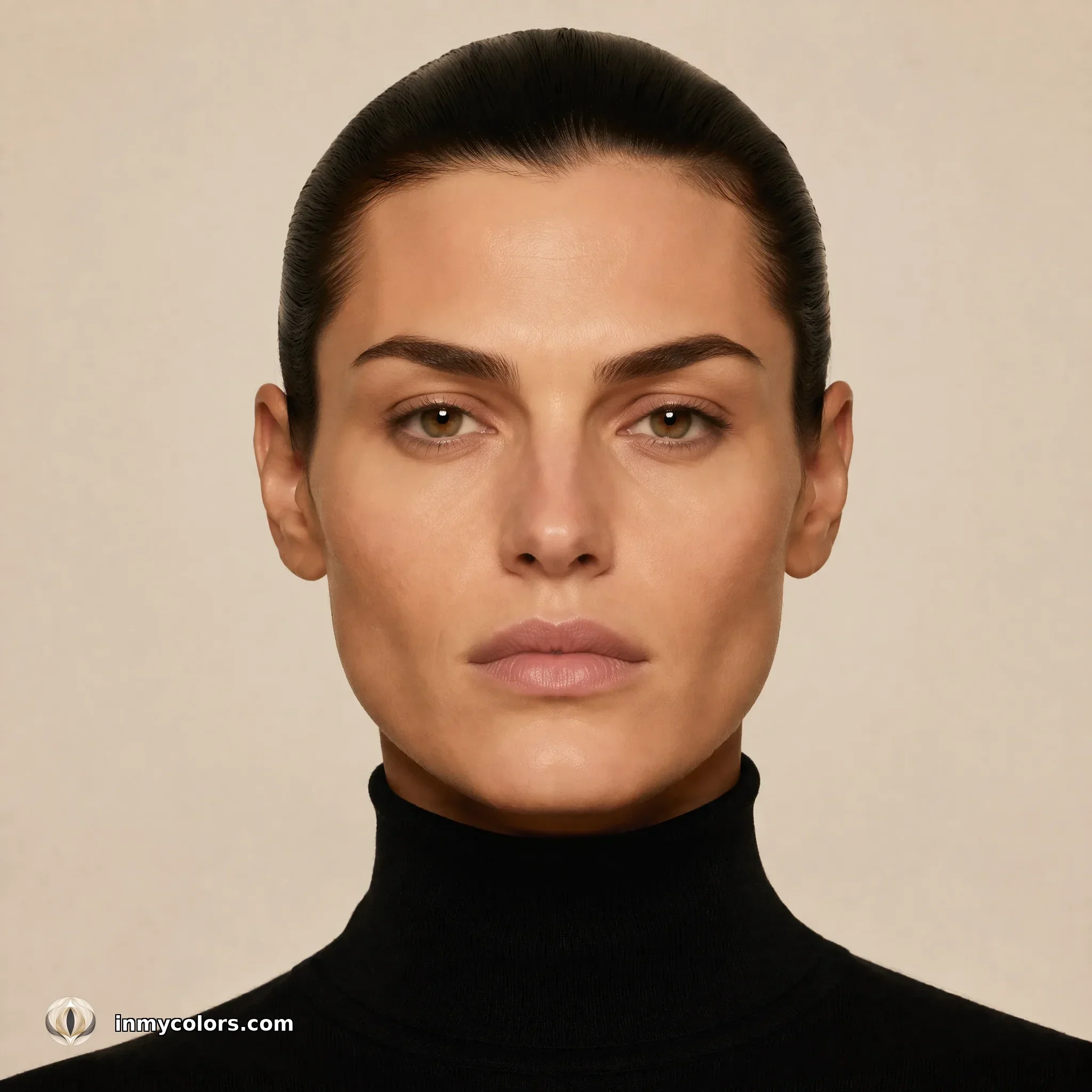
Do: Apply blusher from the apples of the cheeks upward in a diagonal, blending toward the temples. Keeping colour in the upper half of the face draws attention to the cheekbones and away from the angular jawline.
Avoid: Blusher near the jaw or lower cheeks. This draws the eye to the angular corners of the jaw, making it appear wider and more prominent.
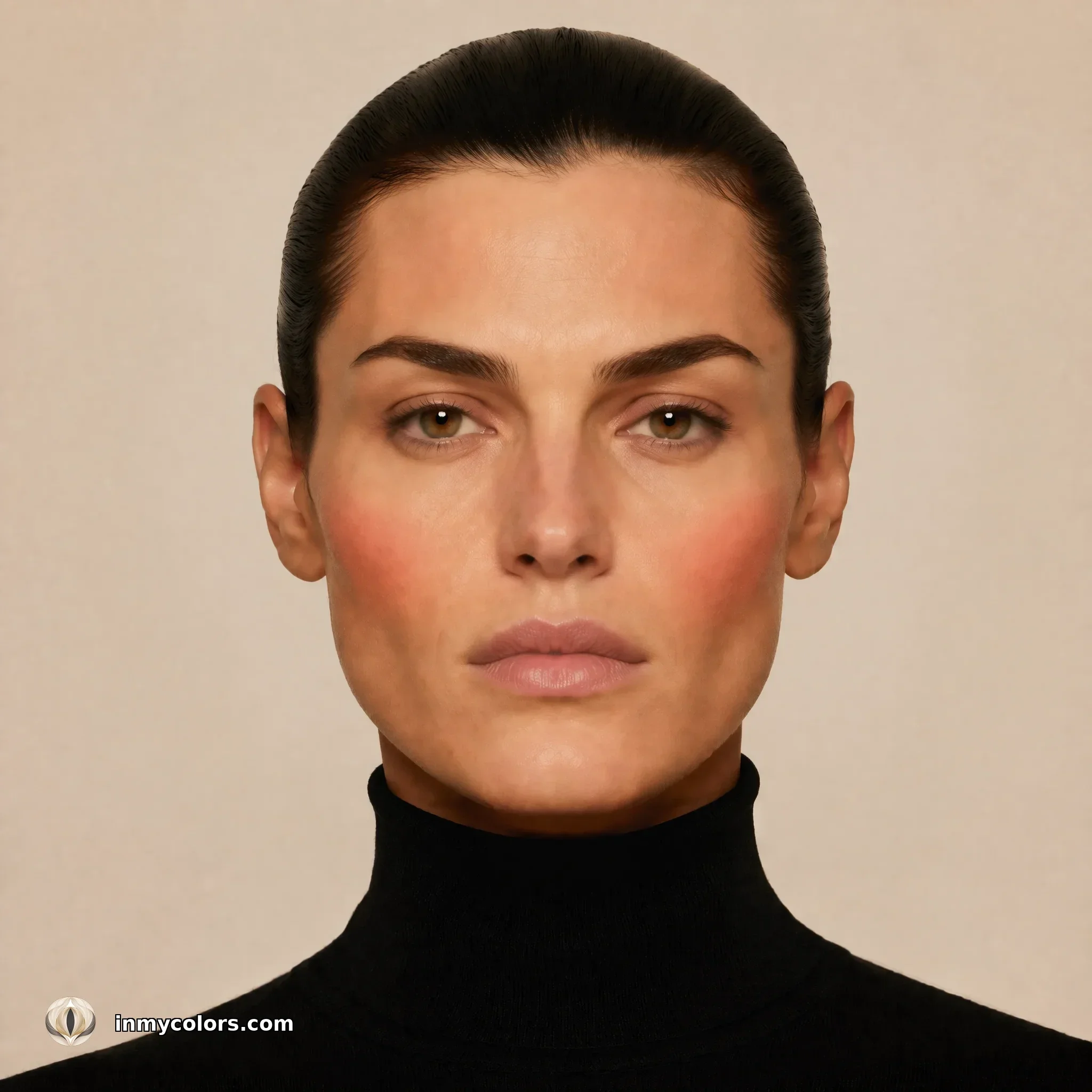
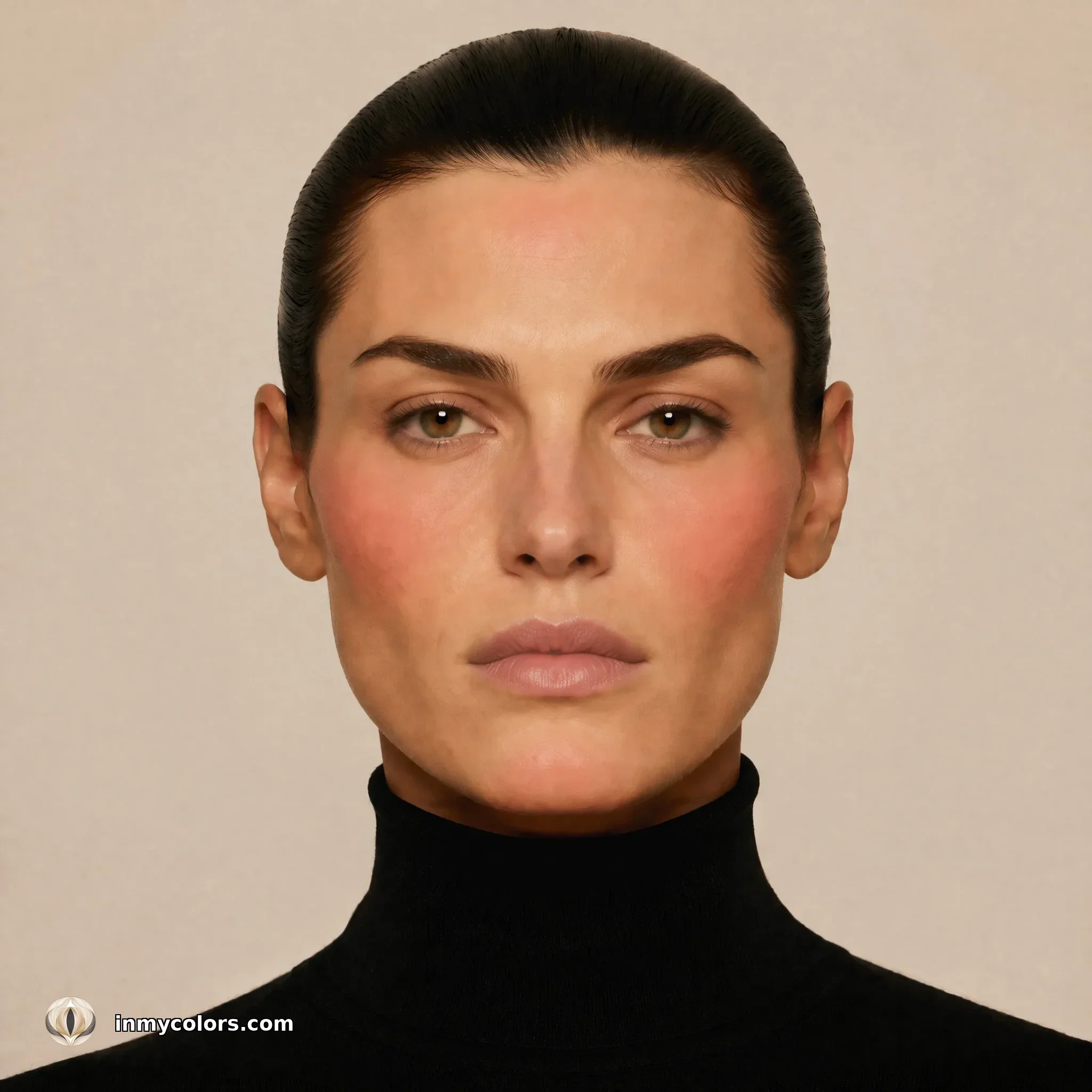
→ Full square face shape guide
Rectangular Face Shape
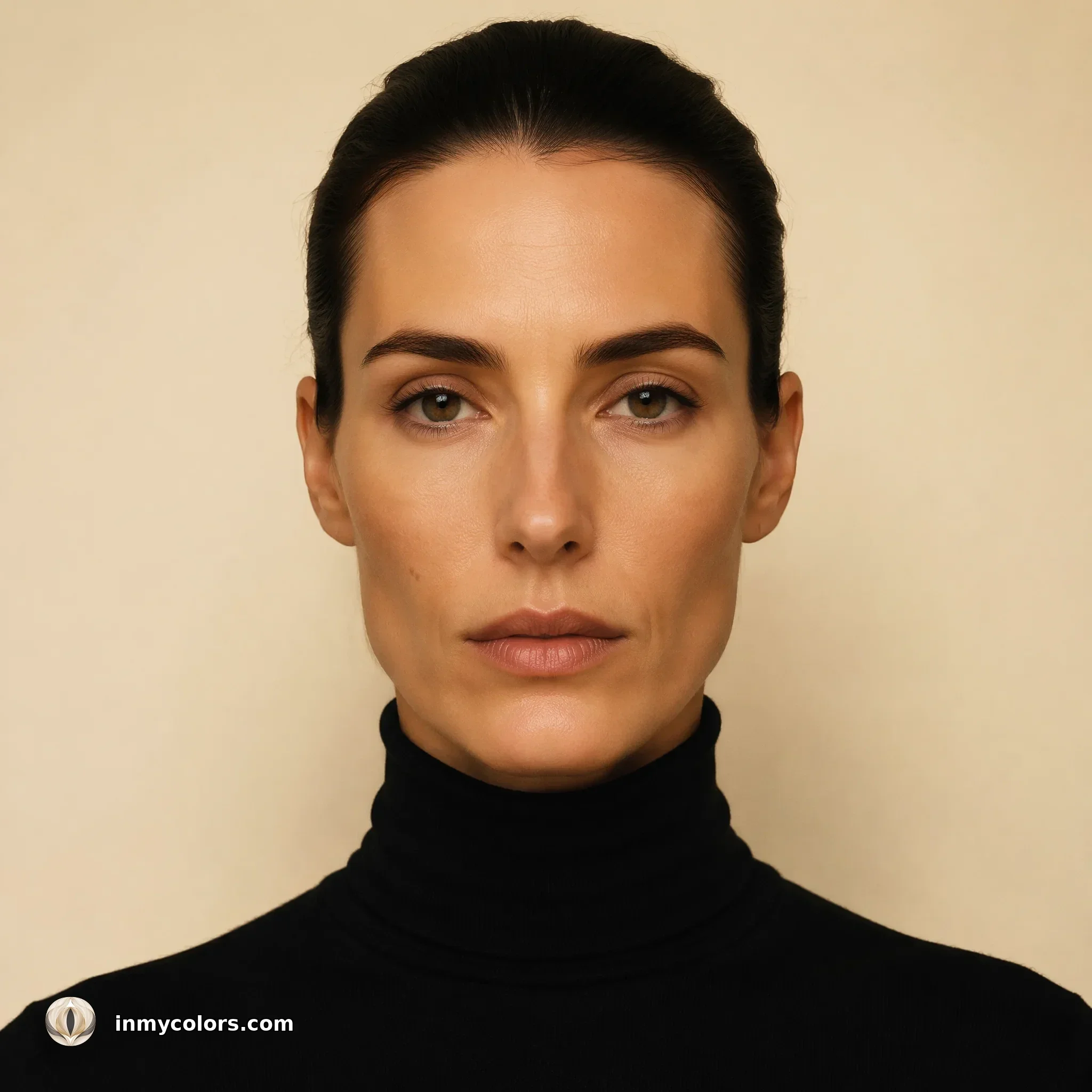
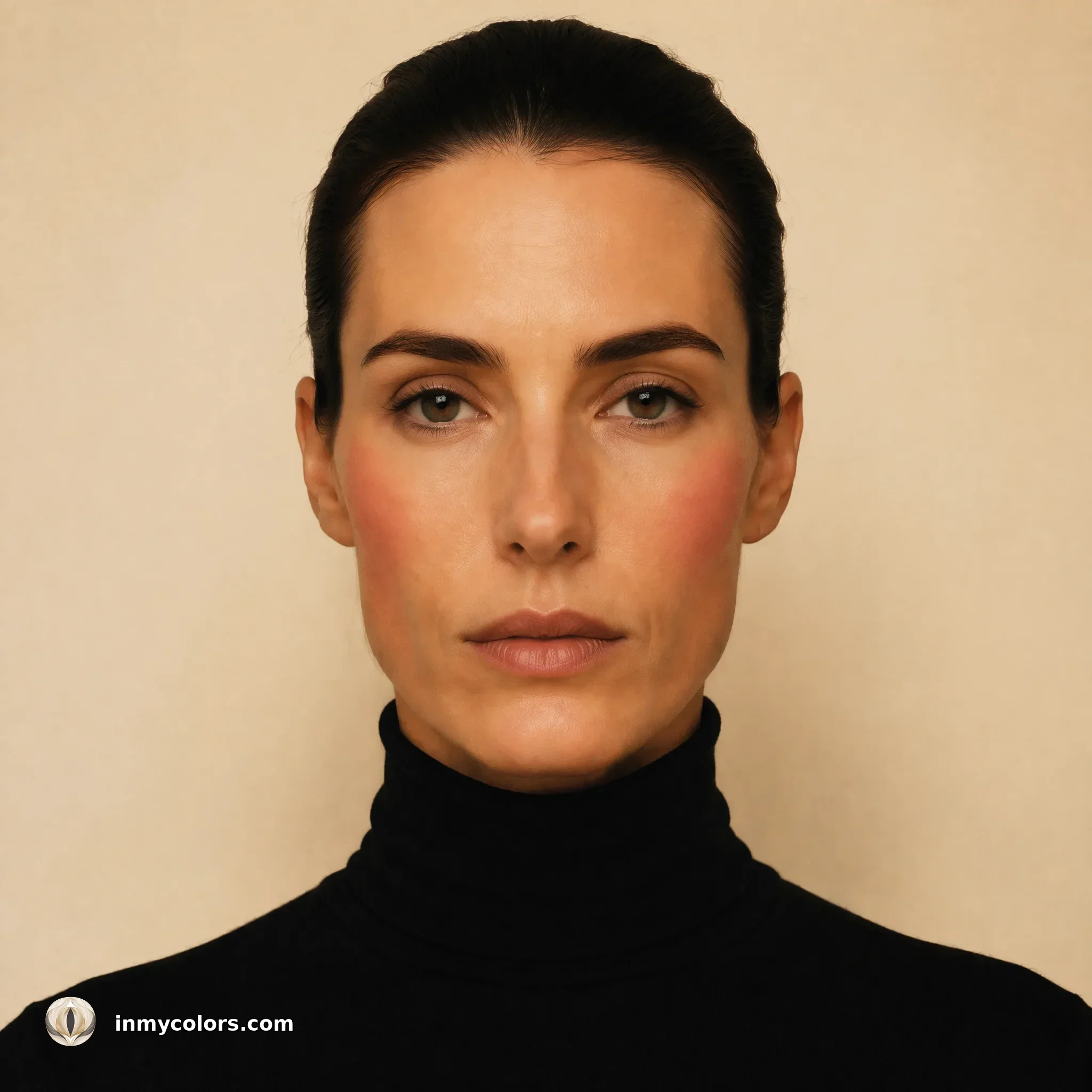
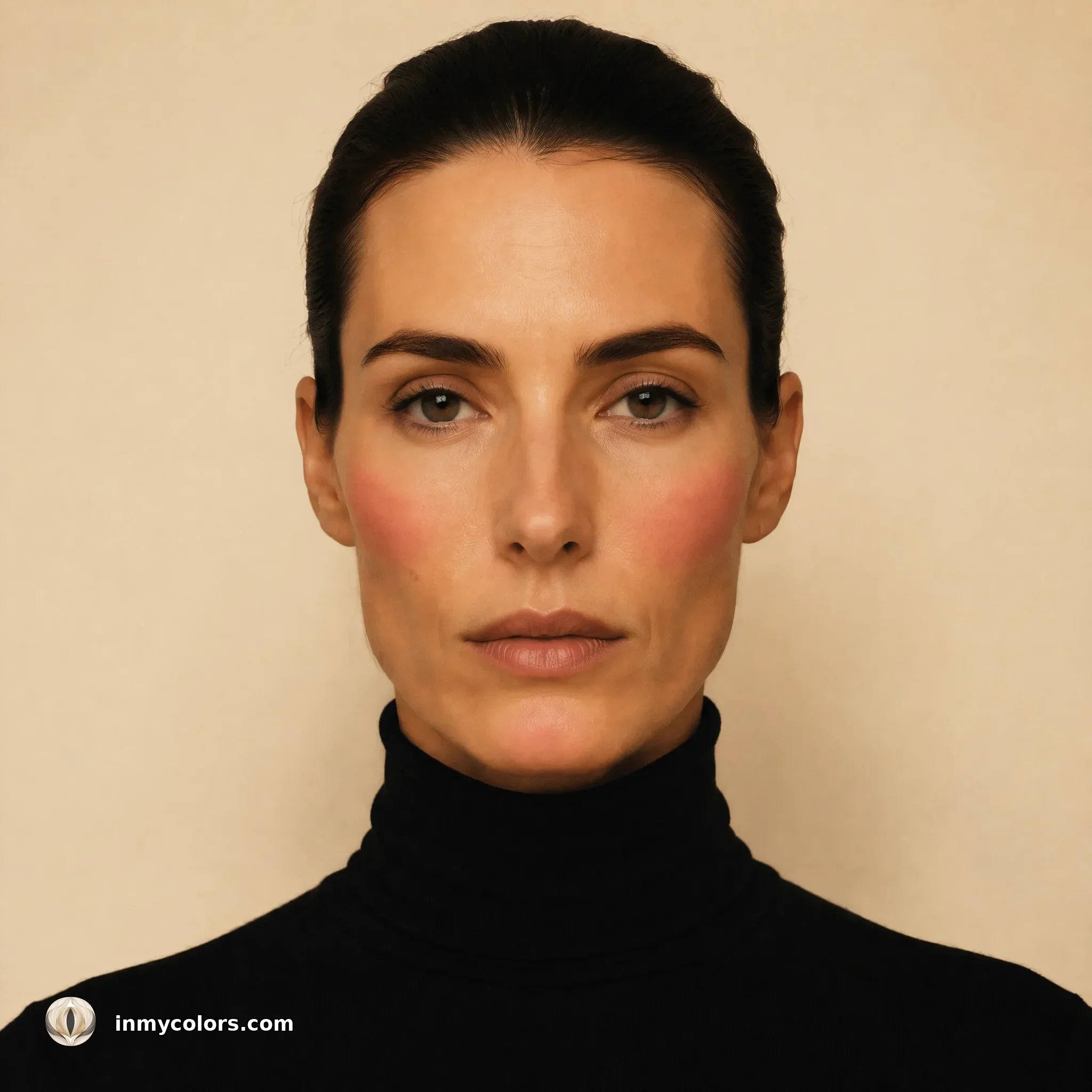
Do: Apply blusher in a wide horizontal sweep across the cheekbones, blending toward the temples on both sides. The horizontal application draws the eye across rather than down the face, reducing the impression of length.
Avoid: Vertical or diagonal blush placement that follows the length of the face. This reinforces the rectangular's elongation rather than counteracting it. The horizontal principle is the defining rule for rectangular faces.
→ Full rectangular face shape guide
Triangular Face Shape
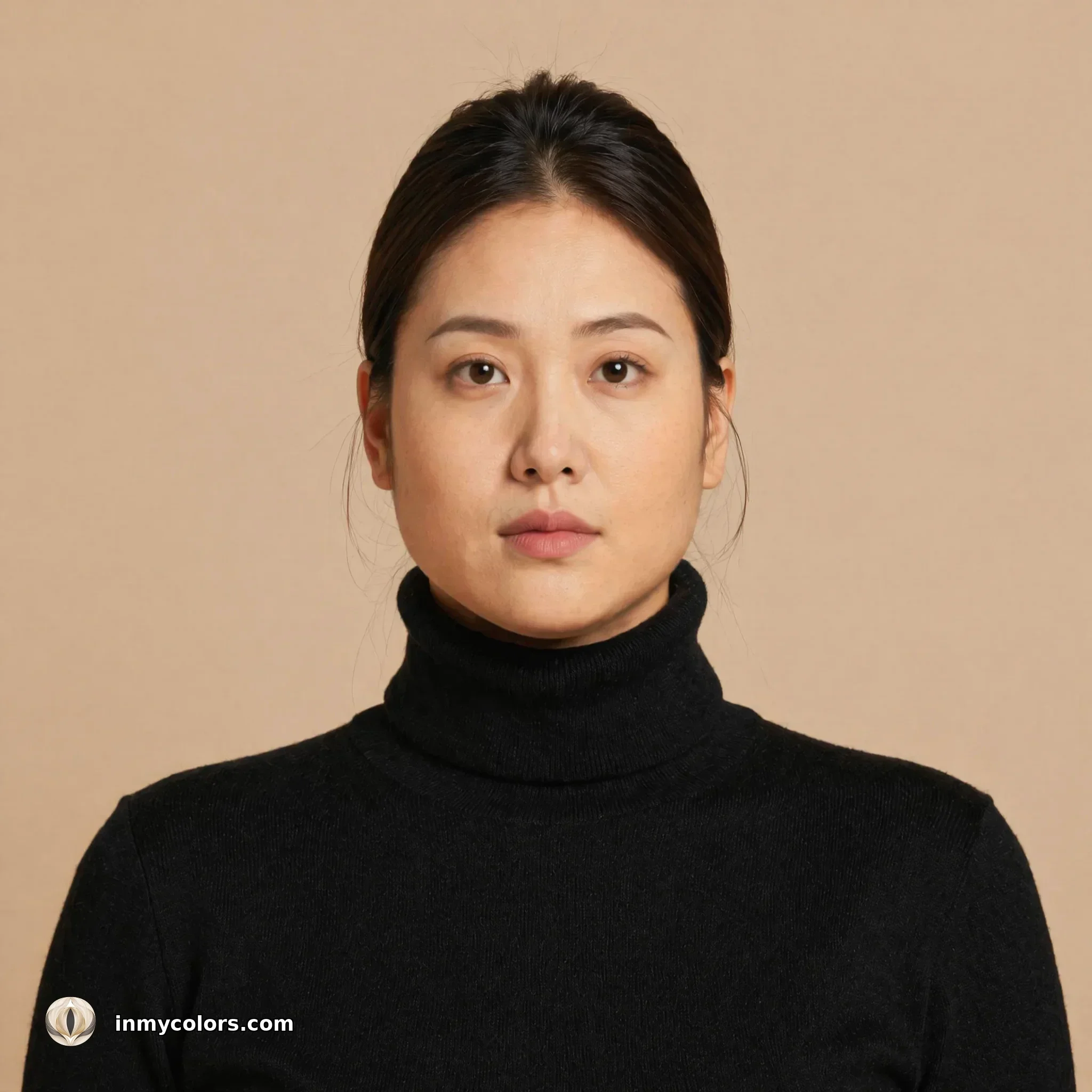
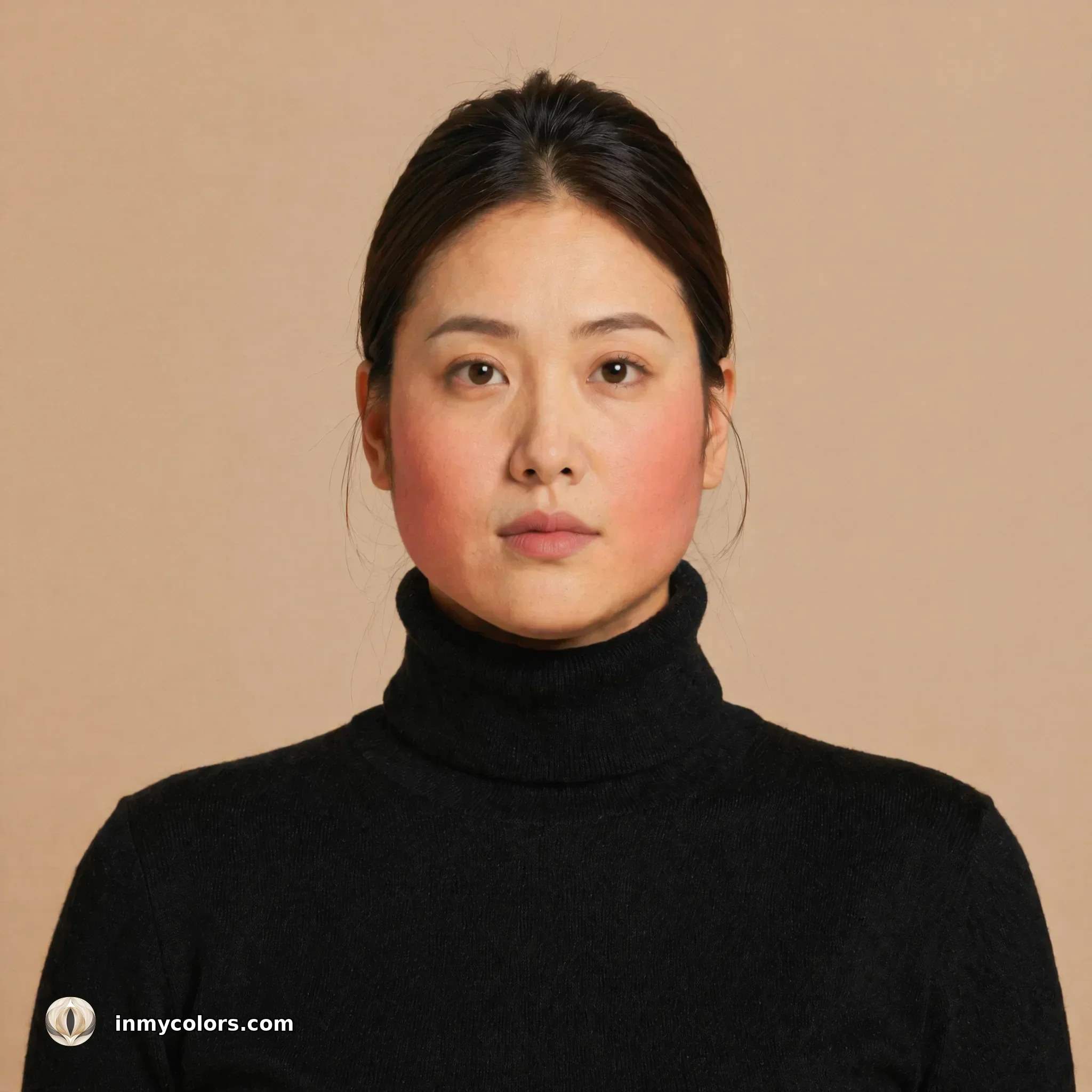
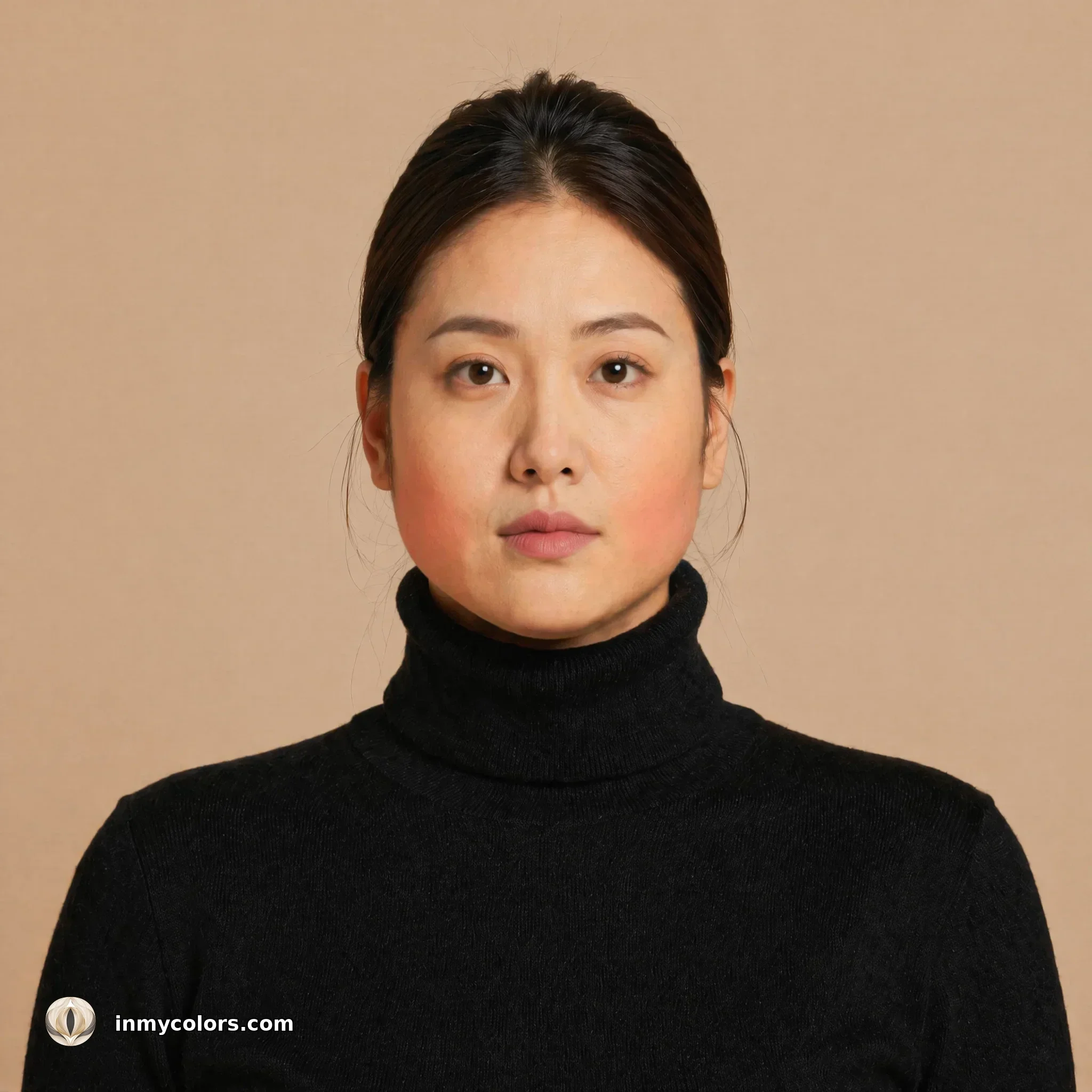
Do: Apply blusher high on the cheekbones and blend upward and outward toward the temples. This creates visual width at the cheekbones, drawing the eye upward and away from the jaw — the widest part of the triangular face.
Avoid: Placing blusher low on the cheeks or near the jaw. This draws the eye downward to the face's widest point and makes the jaw appear even broader.
→ Full triangular face shape guide
Inverted Triangle Face Shape
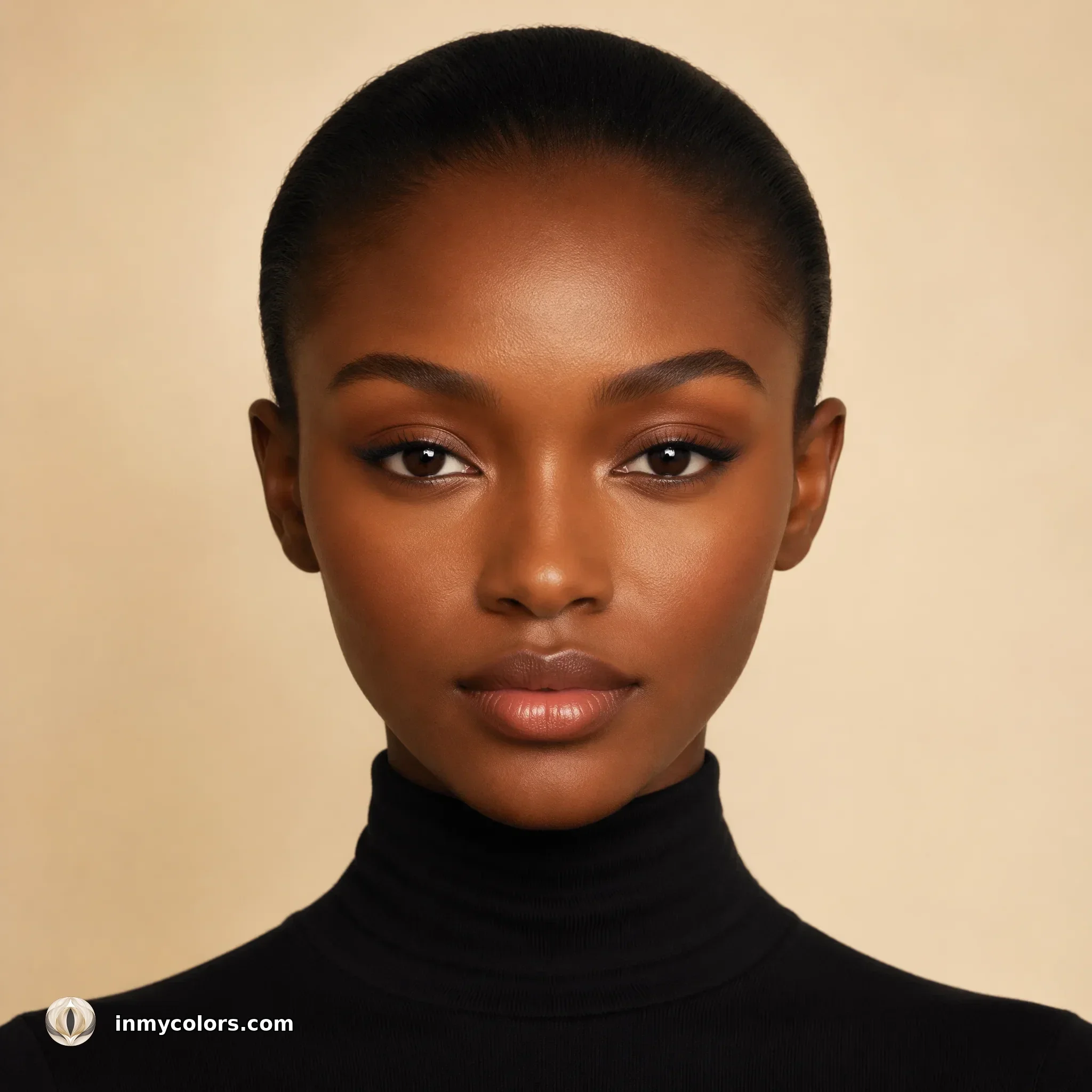
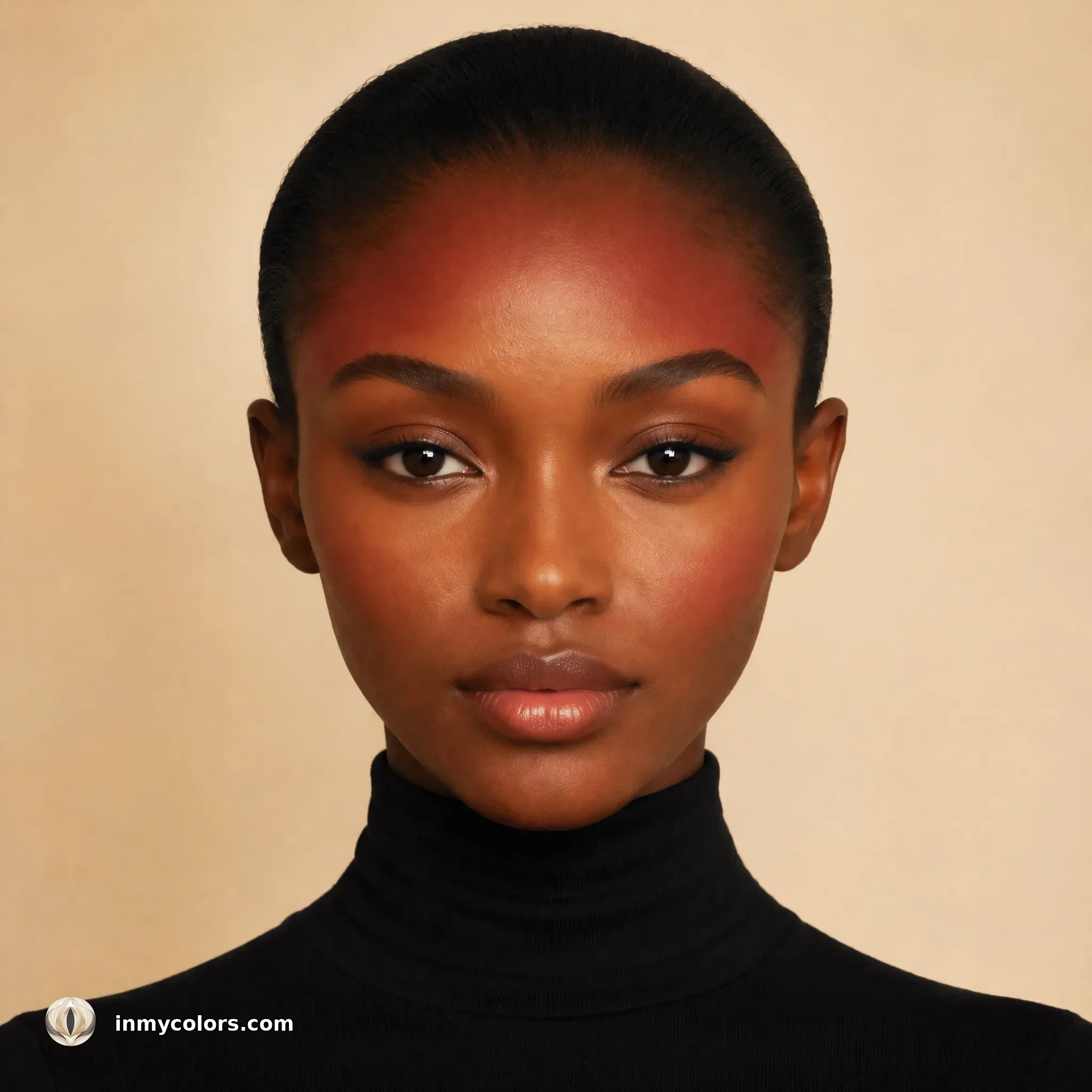
Do: Apply blusher lower on the cheeks than for most other shapes — closer to the lower cheekbone and angling toward the jaw area. This adds visual weight to the lower face, creating balance with the wider forehead and cheekbones above.
Avoid: High blusher placement at the temples or upper cheekbones. This draws the eye upward to the already-dominant upper face and increases the top-heavy quality.
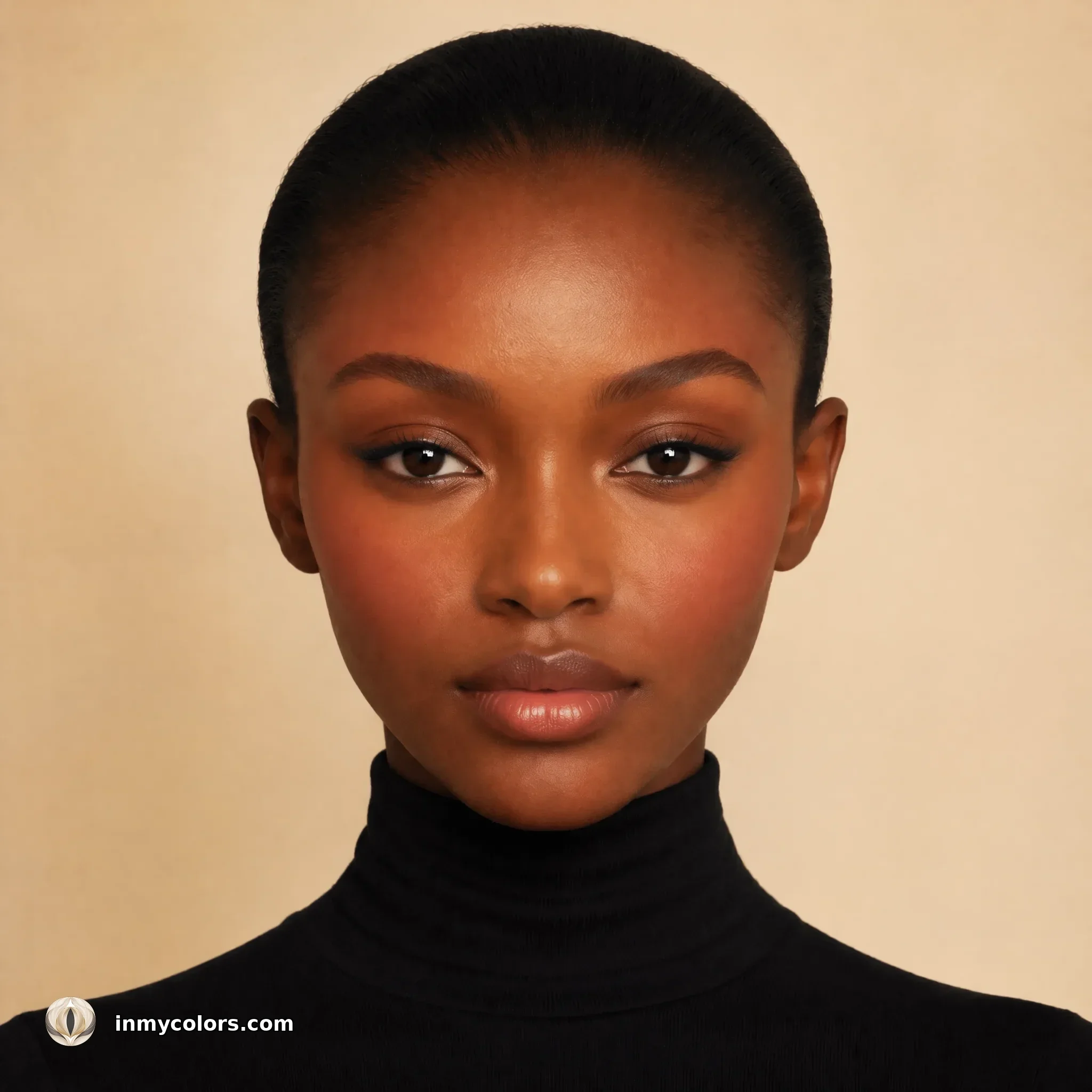
→ Full inverted triangle face shape guide
The Principle Behind All of This
Blusher follows a simple rule: place colour where you want the eye to go. Every shape-specific instruction above follows that logic — draw the eye to the most balanced part of the face, and the less balanced parts recede. Once you understand the principle, you can adapt it to your own features beyond the six shapes described here.
Find your face shape at inmycolors.com and get personalised style guidance for your specific features.