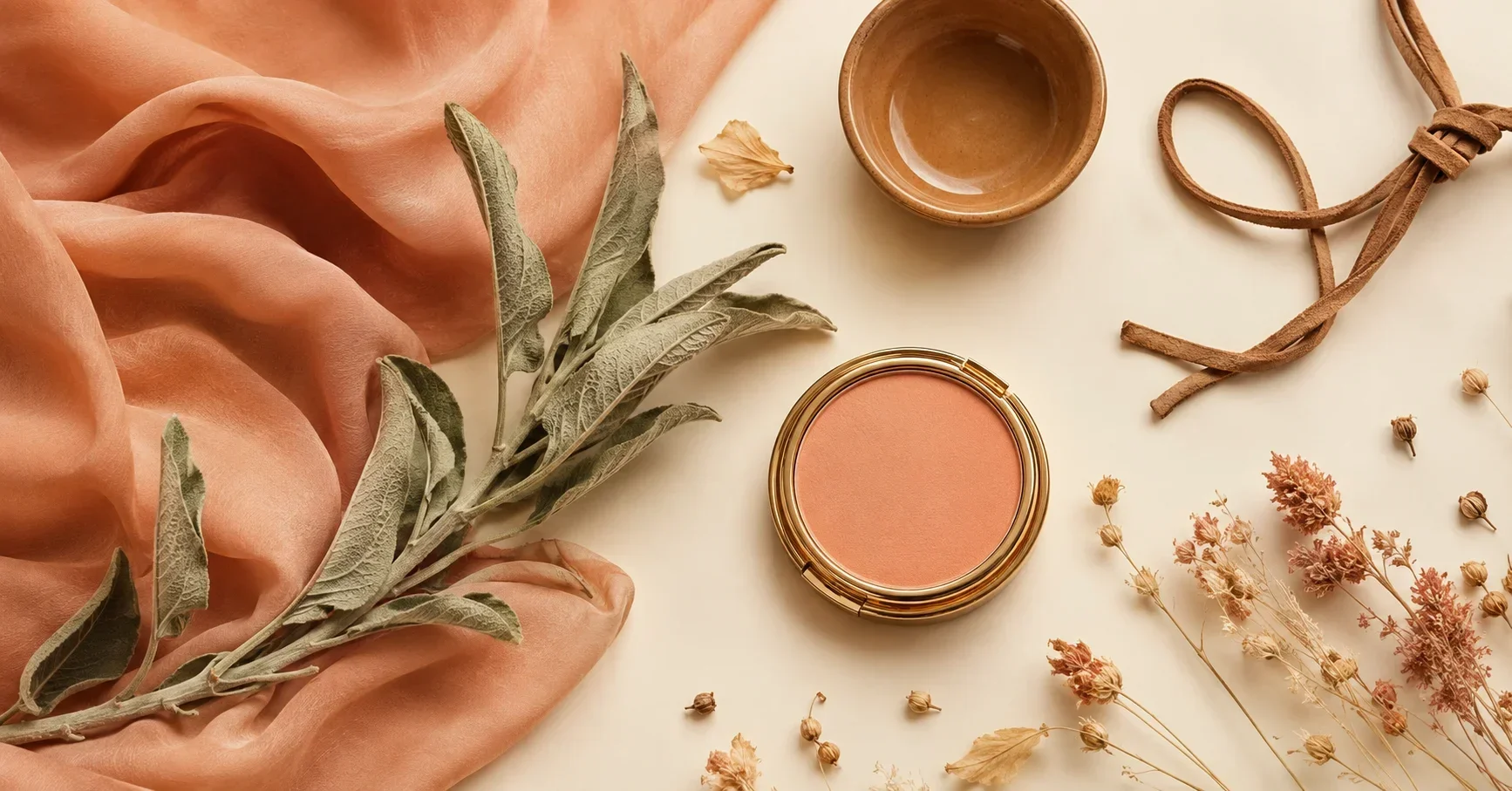
Some seasons announce themselves. True Autumn is unmistakably rich and golden. Dark Winter is definitively deep and cool. But Soft Autumn is subtler than almost any other season — its warmth is present but whispered, its colours quiet rather than stated, its overall effect one of blended, faded warmth rather than richness or vibrancy.
This quietness is not a deficiency. It is the defining characteristic of the season, and understanding it changes everything about how this colouring is dressed, coloured, and understood.
Soft Autumn is the warmest of the muted seasons and the most muted of the warm seasons. It sits at the boundary between Soft Summer and True Autumn — sharing the extreme mutedness of the former and the warm temperature of the latter. The result is the lowest-chroma autumn and one of the lowest-contrast seasonal types in the entire twelve-season system.
What Makes a Soft Autumn
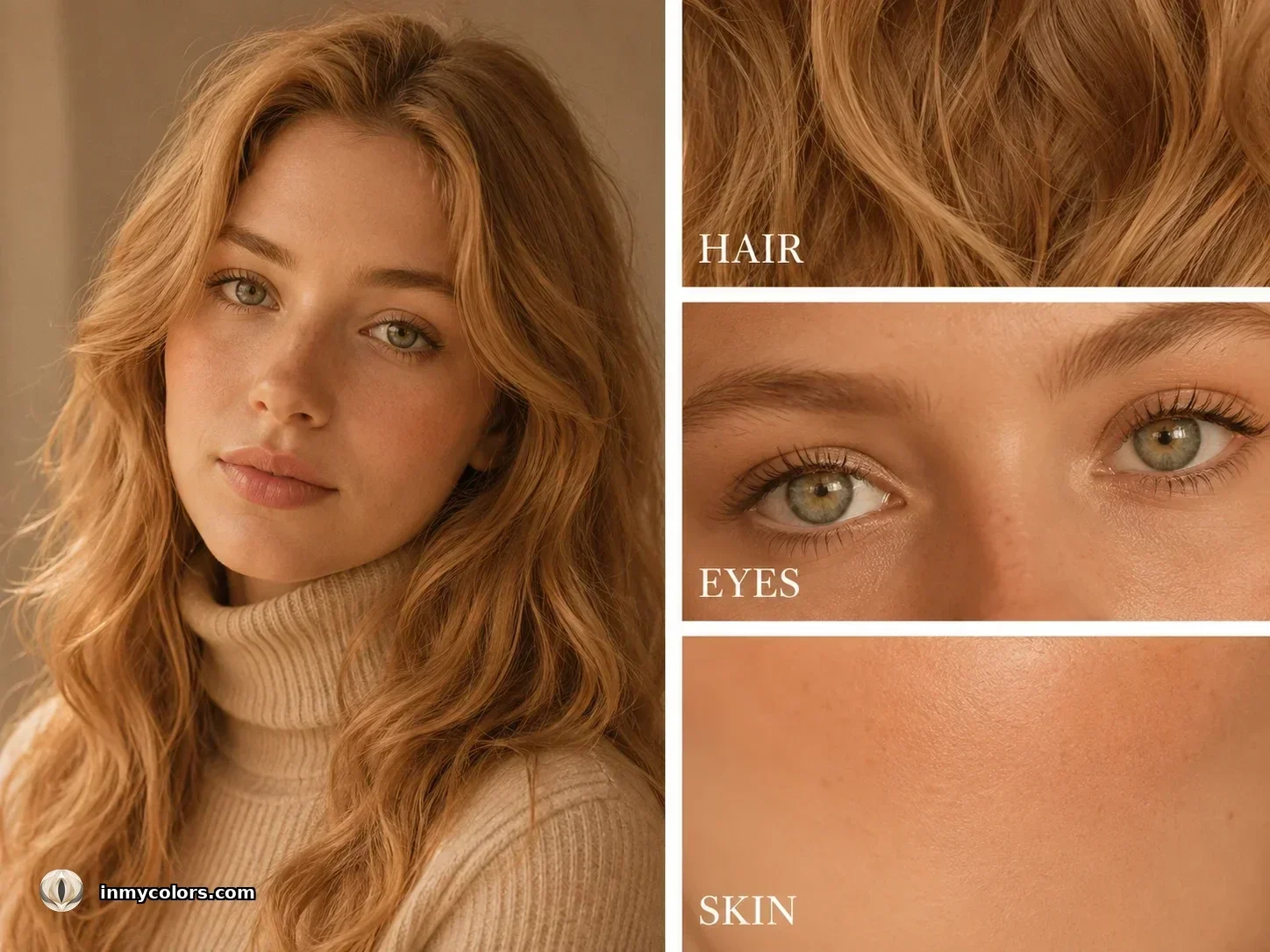
Three axes define every season: temperature, value, and chroma. Soft Autumn is warm (but only gently), moderate-light in value, and extremely low in chroma. The last of these — chroma — is the key. Where True Autumn is muted, Soft Autumn is dusty. The difference is measurable.
Skin tones are medium-fair to medium with a warm undertone that is present but very soft. This is not the golden amber clarity of a True Spring or the rich honey warmth of a True Autumn. It is more a warm beige-taupe, a peachy-warm neutral, a gentle golden beige. The warmth is there, but it does not call attention to itself.
Hair tends to be light warm brown, warm ash-brown (slightly warm rather than clearly cool), dirty blonde with a warm rather than golden quality, or light auburn. Saturation in the hair is low — the colour is somewhat faded, which is characteristic. There is a softness to the hair that mirrors the rest of the season.
Eyes are soft warm hazel, light warm brown, soft green-hazel, or warm greyed-green. Like the skin and hair, they read gentle rather than vivid. The defining quality of Soft Autumn overall is low contrast — hair, skin, and eyes sit close together in value and chroma. Nothing shouts. Everything blends.
The Soft Autumn Colour Palette
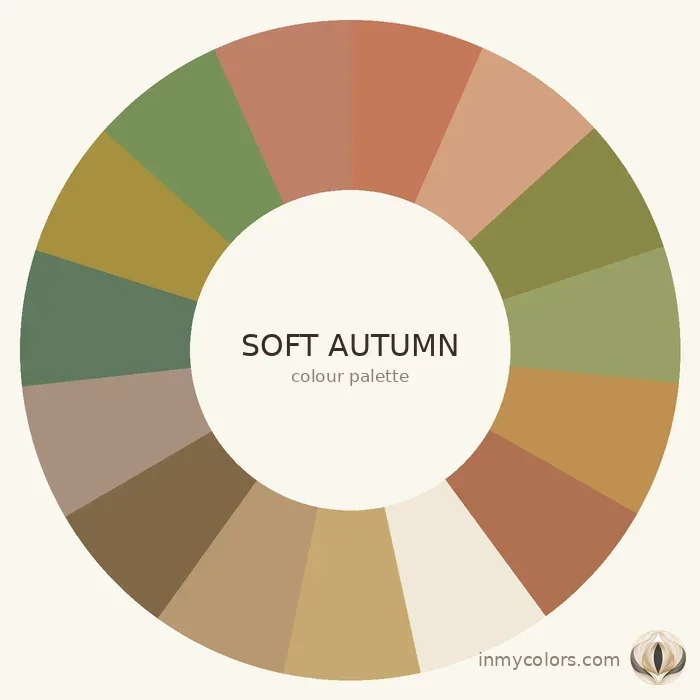
The palette is warm but dusty — as if autumn's earthy richness has been left in the sun until it faded slightly. These are not vivid colours, not pastel colours, and not dark colours. They live in the middle ground: warm, quiet, and consistently muted.
Foundation neutrals anchor the wardrobe in warm greige, dusty camel, warm tan, warm brown, and muted warm taupe. These are lighter and dustier than True Autumn's cognac and chocolate — closer to a faded version of the same warmth.
Core colours include dusty terracotta, dusty peach, muted warm olive, warm sage, dusty gold, and muted rust. Every colour in this palette has the same quality: as if something warm has been blended with a small amount of grey. Nothing is clear. Nothing is vivid. Everything has a soft, aged quality.
Accent colours are dusty sage green, warm gold accent, soft olive, and dusty coral — providing gentle contrast without breaking the palette's essential muteness.
What to avoid. Vivid or saturated colours overpower this season completely — even a moderately bright coral will overwhelm the face. Stark black is too high-contrast and too cool. Pure white is too stark. Cool tones of any kind — cool pink, icy lavender, blue-grey, vivid purple — sit in the wrong temperature register.
Soft Autumn in the Wardrobe
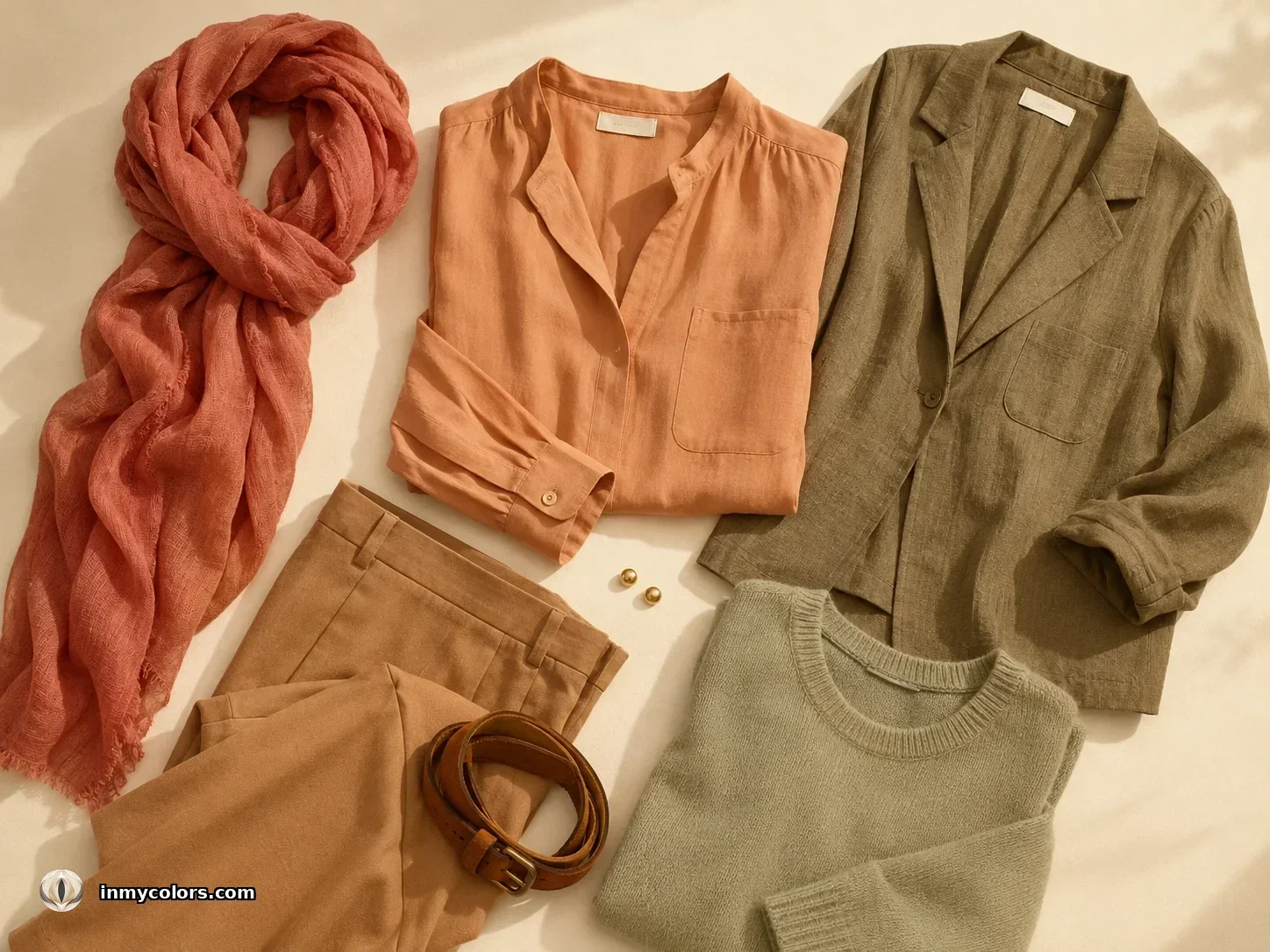
The Soft Autumn wardrobe requires restraint in saturation but not in interest. The low-chroma palette creates a cohesive, sophisticated wardrobe naturally — the problem is never that the colours clash, it is that the wrong colours overwhelm.
Tonal dressing — wearing multiple shades of the same muted warm family together — is particularly effective for this season. Dusty terracotta layered over warm greige over soft warm khaki creates a harmonious, editorial effect. The low-contrast nature of the season means that head-to-toe muted warmth is never boring; it has an effortless, considered quality.
Pattern should stay within the muted warm register. Soft florals in warm, dusty tones; paisley in faded gold and rust; soft animal prints with warm rather than high-contrast markings. A bold geometric in black and white would be the worst possible choice for this season.
Texture does a great deal of work in a muted palette. Soft suede, brushed cotton, warm linen, cashmere in oat or camel, ribbed knit in dusty warmth: these are the materials that work best.
Metals. Warm matte gold and antique gold are correct. Copper can work if it is soft. Silver and platinum fight the warm undertone.
Soft Autumn Makeup
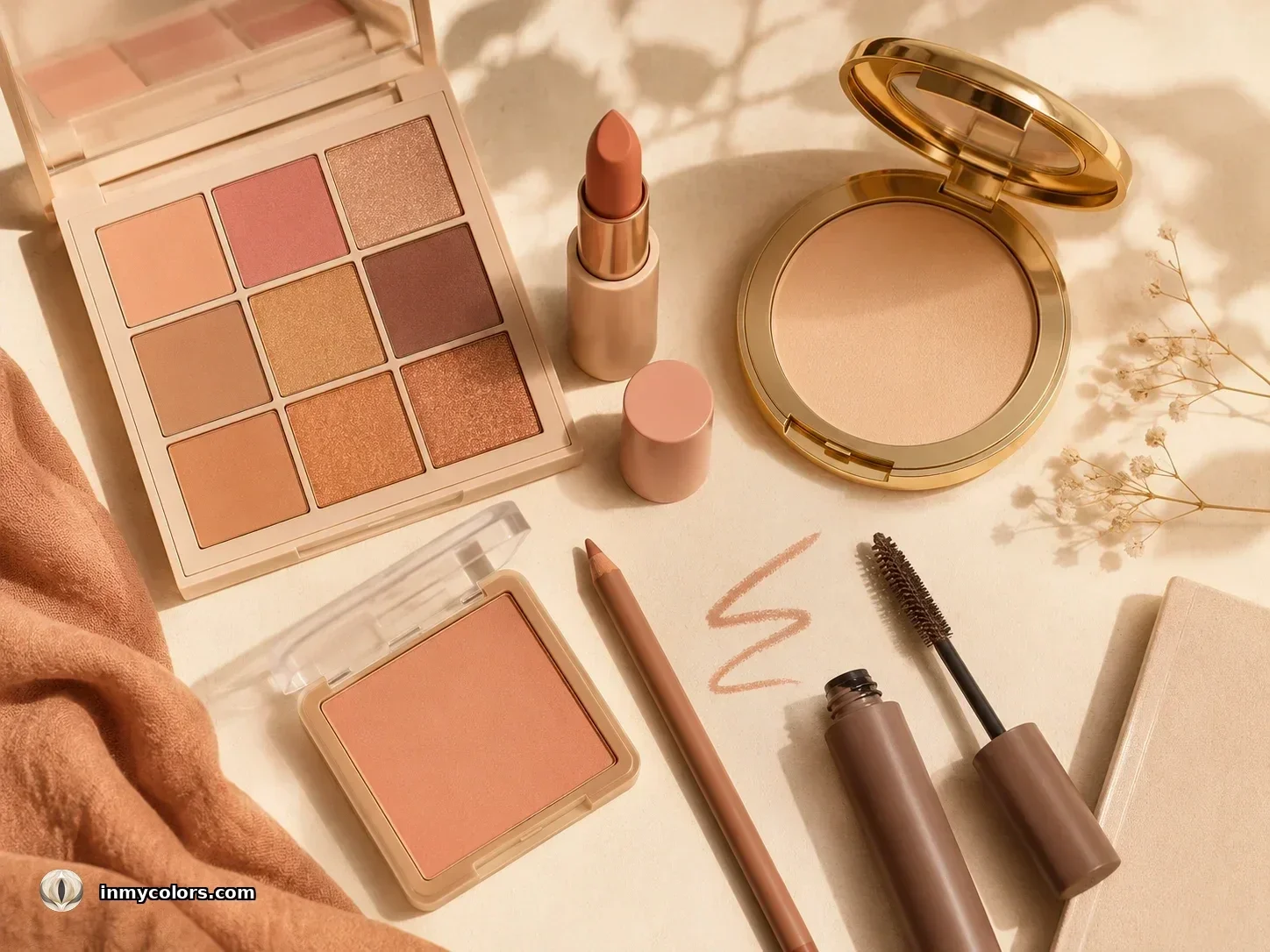
Makeup for this season should enhance without contrasting. The guiding principle is that every product should look like it is barely there — the finished look is harmonious and blended, not defined or graphic.
Foundation needs a warm undertone, but light coverage is often sufficient. This season's skin tends to have an innate softness; heavy or matte coverage can look mask-like against it. A skin tint or light-coverage foundation in the right warm-beige undertone is usually better than a full-coverage product.
Blush is the softest peachy warm tone or dusty warm nude. A terracotta blush is possible but should be the softest version available. Cool-toned blush — any pink with a cool cast — will simply not sit right against this skin.
Lips in the natural range are the most characteristic: warm nude, dusty peach, soft terracotta nude, muted warm pink-brown. The instinct toward a strong lip colour should be resisted — a vivid or deeply saturated lip creates exactly the kind of contrast that does not suit this season.
Eyes are best in warm taupe, soft warm brown, dusty sage, and muted warm bronze. A subtle wash of warm shadow rather than a defined eye look is more harmonious. Mascara in warm brown rather than blue-black; eyeliner in soft warm brown rather than black.
Soft Autumn Hair
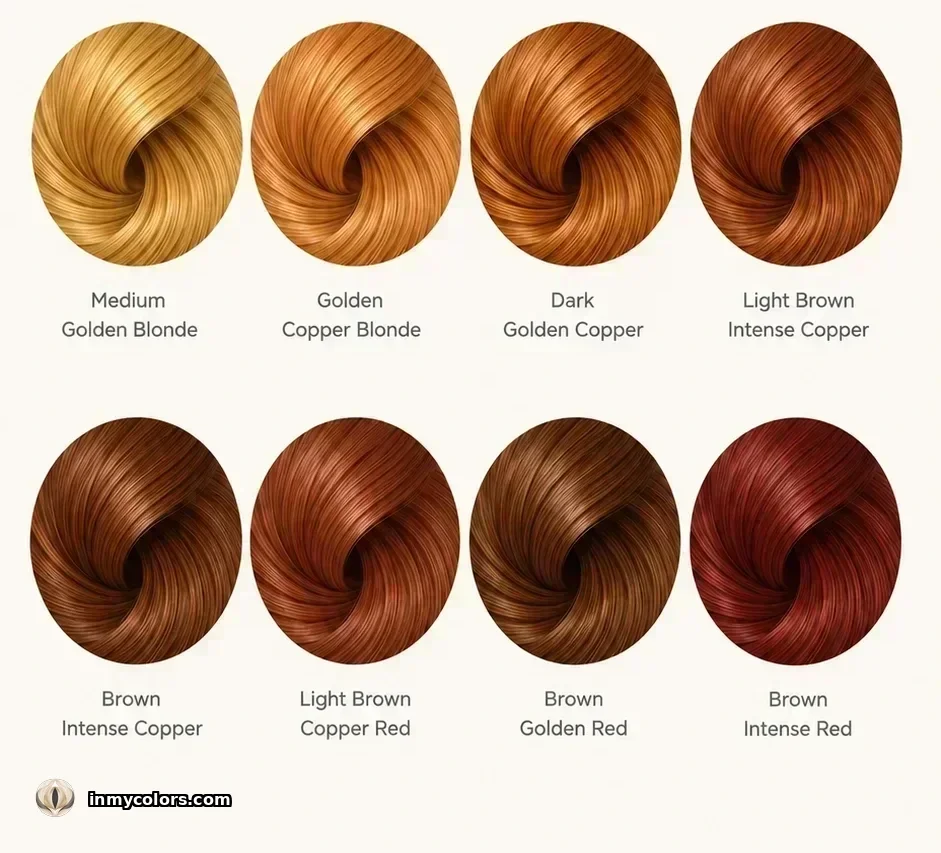
This season's naturally soft, warm hair should be handled with care — its quiet warmth is an asset, and the wrong colour intervention can destroy it.
Natural hair in light warm brown, dirty blonde, or warm ash-brown is already exactly right. The temptation to take the hair darker, brighter, or cooler should be resisted. The natural quality of this hair is its virtue.
If colour is wanted, add very subtle warm highlights only — a soft golden tone at the ends, a very gentle warm gloss treatment that enriches the natural warmth without making it vivid. The aim is to enhance what is already there, not to replace it.
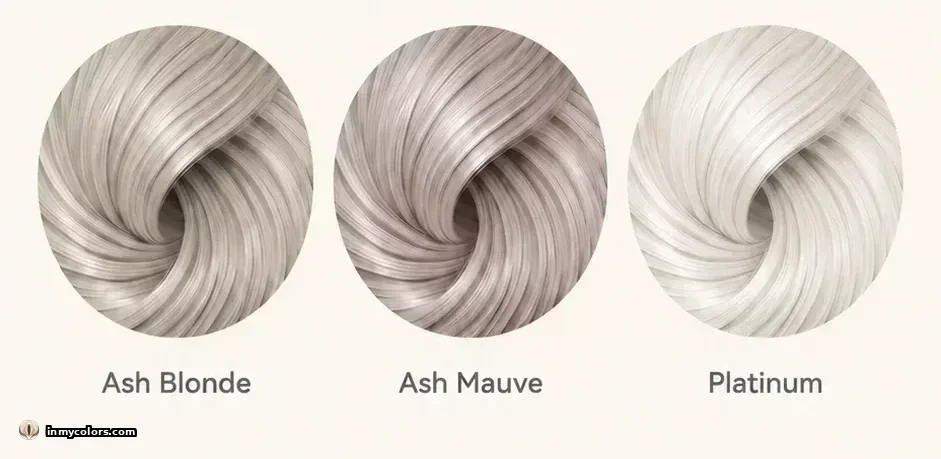
Going dark creates too high a contrast against the light Soft Autumn features. Vivid auburn or copper is too saturated for this season. Cool or ash tones are the wrong temperature. Platinum or bleached hair will completely strip the warmth that holds the season together.
Soft Autumn Celebrities
A note on celebrity examples: these assignments are educated guesses — celebrity photos are professionally edited, lighting varies, and makeup is always applied. These names are commonly cited examples, not verified classifications. Use them as a rough visual reference, not a confirmation of your own season. The only reliable way to find your season is an objective analysis of your actual colouring — not a comparison to someone else's. Find yours at inmycolors.com.
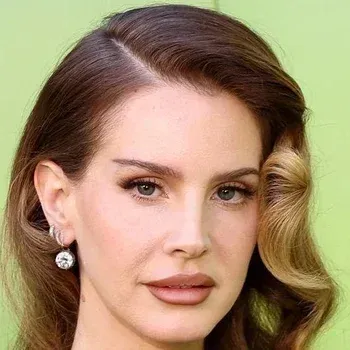
Lana Del Rey is a frequently cited Soft Autumn example: warm medium-brown hair, fair peachy skin with a warm undertone, and soft grey-green eyes. Her colouring has the quiet, muted warmth and low overall contrast that define this season — nothing vivid, nothing cool, everything blended.
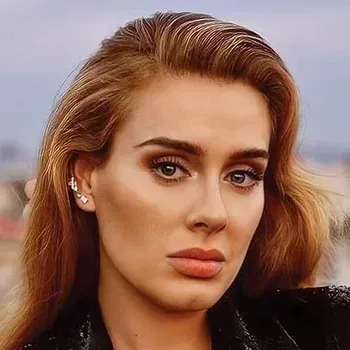
Adele presents warm golden-brown hair with soft highlights, fair peachy skin, and soft hazel eyes. The low contrast and muted warmth across her features are characteristic of Soft Autumn at its most harmonious.
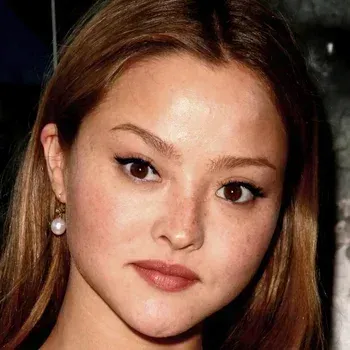
Devon Aoki demonstrates Soft Autumn with warm golden-brown hair, fair warm skin with a golden undertone and visible freckles, and warm brown eyes. The overall impression is warm and muted with the blended, earthy quality this season is known for.
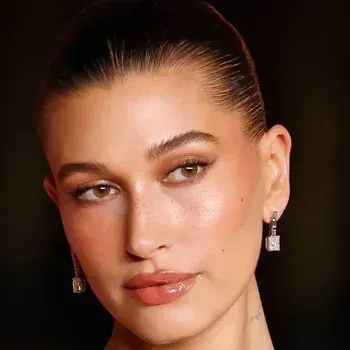
Hailey Bieber shows Soft Autumn colouring through her fair warm skin with visible freckles, warm hazel eyes with golden depth, and naturally warm brown hair. Her natural colouring — without the blonder styling she often wears — has the muted warmth characteristic of this season.
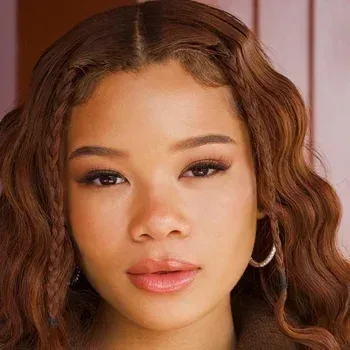
Storm Reid demonstrates Soft Autumn at a warmer, deeper expression: warm golden-brown hair, warm medium skin with a golden undertone, and warm brown eyes. Her colouring has the earthy warmth and muted character that define this season.
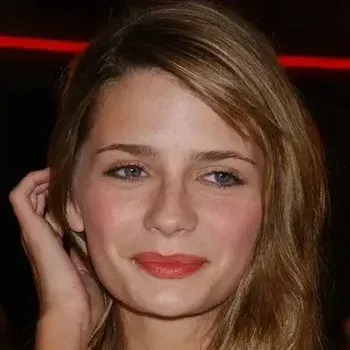
Mischa Barton presents warm golden-brown hair, fair warm skin with a peachy undertone, and soft blue-grey eyes. Her overall colouring is warm and muted with low contrast — the gently earthy quality characteristic of Soft Autumn.
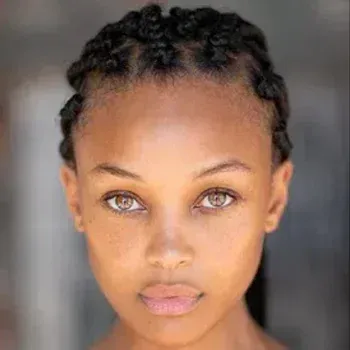
Kirby Griffin shows Soft Autumn colouring with warm medium skin and striking amber-hazel eyes. The warmth and earthy richness of her natural colouring align with the muted warm character of this season.
Common Misclassifications
Soft Autumn vs. Soft Summer is the most important distinction, and the most genuinely difficult one. These are the two lowest-chroma seasons in the entire system, and they share a quality of extreme mutedness. The diagnostic is temperature. Soft Autumn is warm; Soft Summer is cool. Place a definitively warm colour (dusty terracotta, muted warm camel) and a definitively cool colour (dusty rose with a cool cast, cool mauve) alongside the face in similar saturation. One will harmonise; the other will not.
Soft Autumn vs. Light Spring is a chroma and clarity confusion. Spring is clear — even Light Spring has a brightness that Soft Autumn does not. Soft Autumn's colours are dusty; Spring's colours are luminous. If a muted dusty terracotta looks right and a clear coral looks slightly too vivid, the answer is Soft Autumn rather than any Spring.
Soft Autumn vs. True Autumn is a depth and richness question. True Autumn has more depth in value and more richness in chroma — the colours are denser, the warmth is more pronounced, and the overall effect is more substantial. Soft Autumn is the lighter, fainter version of the same warmth.
Getting Your Season
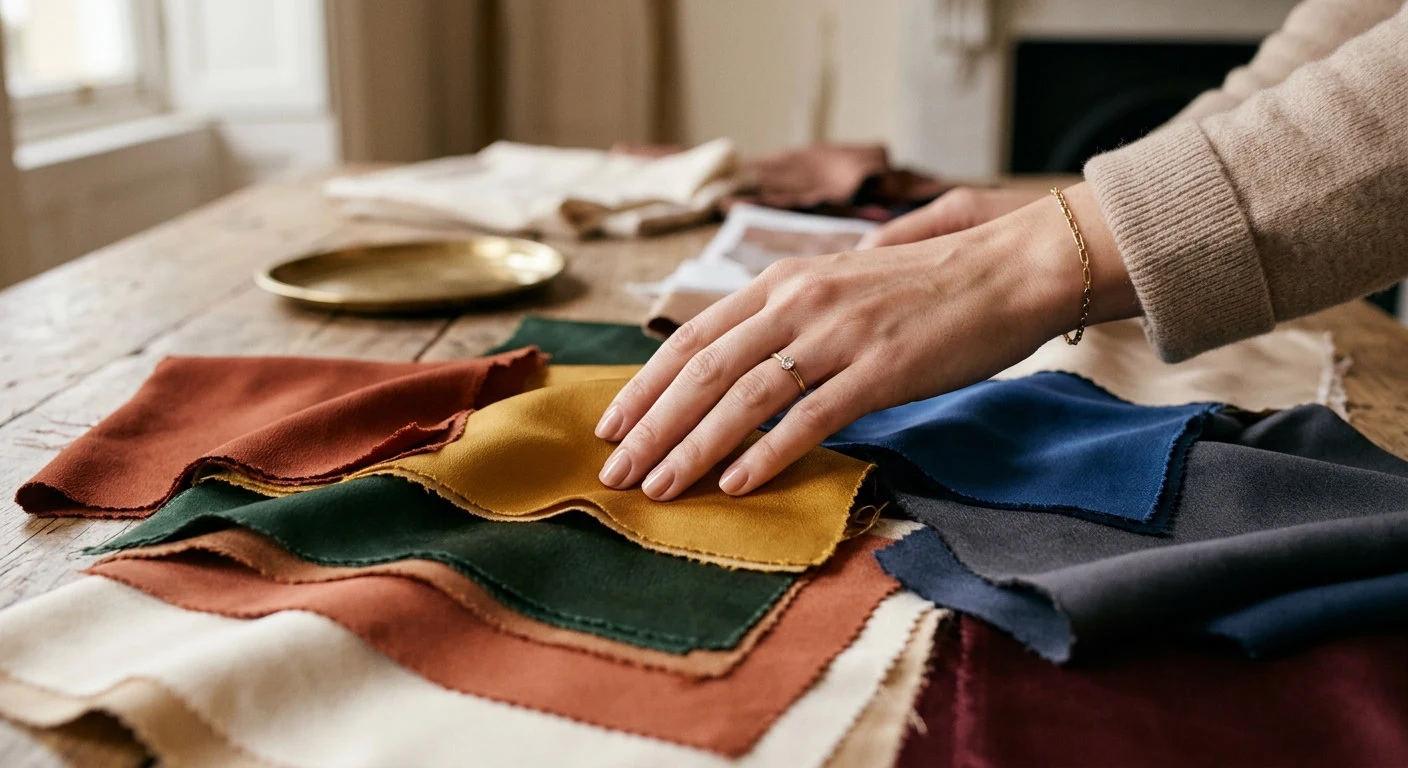
Soft Autumn is frequently unidentified because its key characteristic — extreme muteness — is often interpreted as a failure rather than a feature. People with this colouring are regularly told they look "washed out" or "tired" in photographs when, in fact, they have simply been wearing colours that are too saturated, too contrasting, or too cool for their season.
The correct colours for this season do not make a dramatic statement. They make a subtle, cohesive, harmonious one — which is far harder to achieve and far more distinctive when it is done well.
Identifying the season requires distinguishing warm from cool in the undertone (the Soft Autumn vs. Soft Summer boundary), and distinguishing muted from moderate-chroma (the Soft Autumn vs. True Autumn boundary). Both distinctions are subtle. Draping — placing colours against the face in neutral conditions — remains the most reliable method.
Find your season at inmycolors.com.