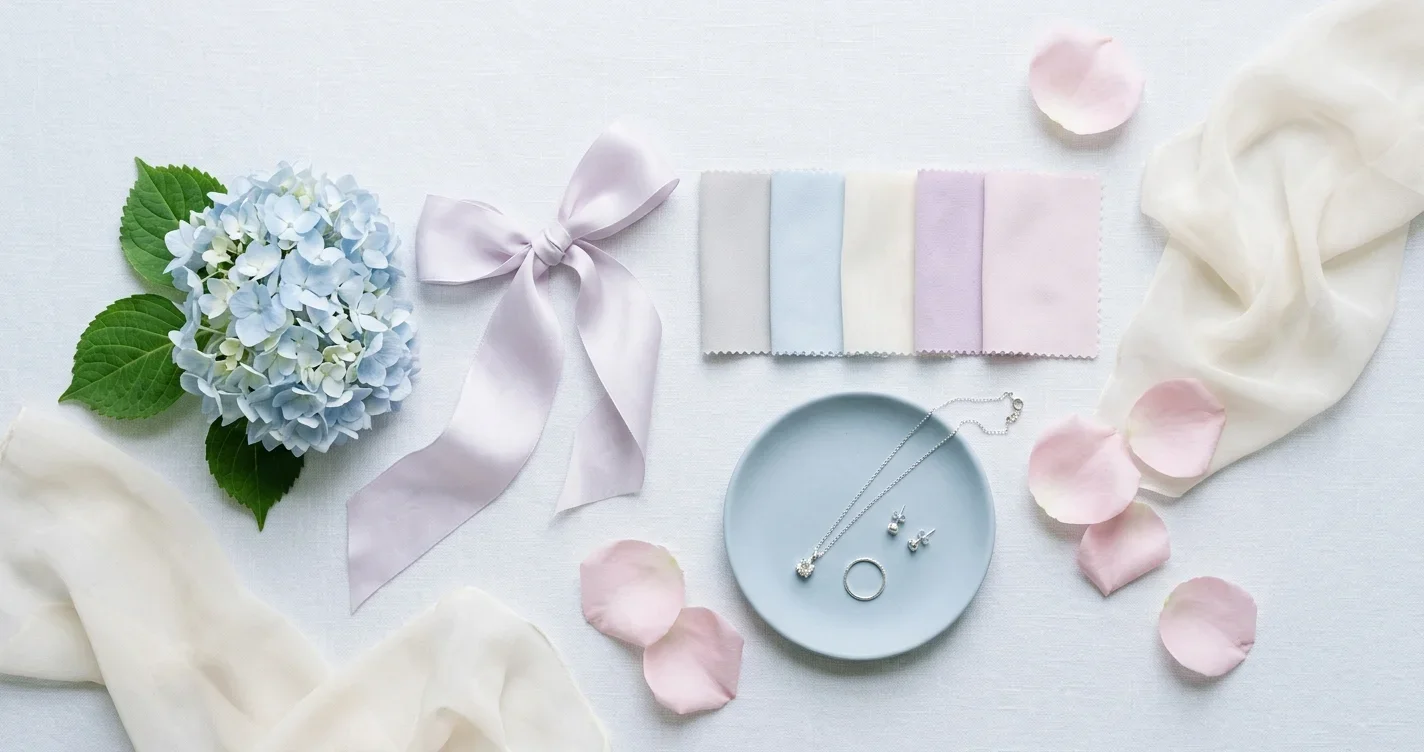
There is a colouring so delicate that the standard rules of colour analysis — "wear colour near your face", "add contrast for definition" — actively work against it. Light Summer is the palest, most ethereal season in the entire 12-season system: a colouring defined by cool undertones, very light value, and low chroma across every feature. If vivid colours swamp you, dark shades feel heavy and ageing, and most "neutral" palettes seem slightly too warm, this post is for you.
Light Summer sits at the intersection of the Summer family's cool temperature and the lightest possible value. Understanding what that means in practice — and what it means for your wardrobe, makeup, and hair — is the entire point of this guide.
What Makes a Light Summer
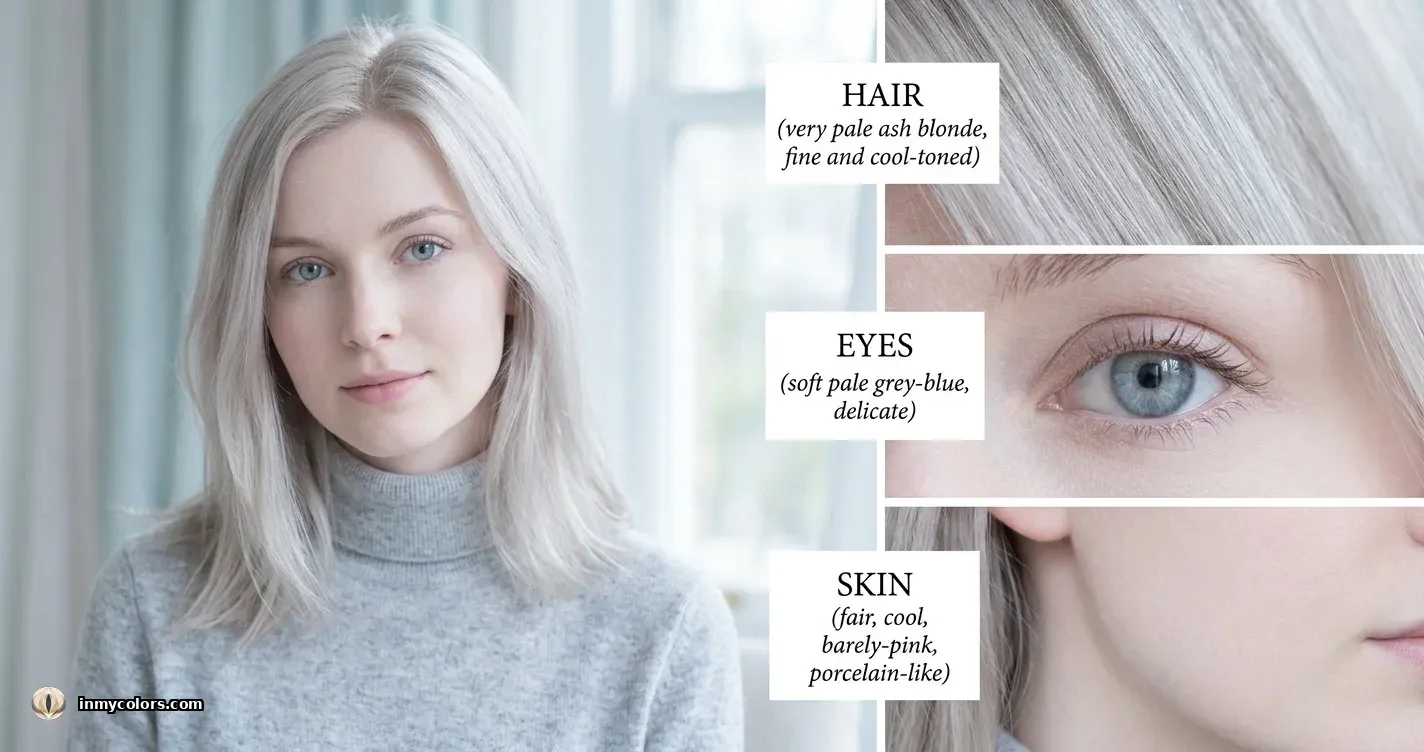
Every season is defined by three axes: temperature, value, and chroma.
Cool temperature. Like all Summers, Light Summer is definitively cool. Your skin carries no peachy or golden warmth — it reads as pink, porcelain, or delicately rosy. Your hair is ash-toned at its lightest end: ash blonde, platinum-toned, near-white blonde. There is no honey, gold, or warmth to it. Your eyes are light and cool: pale blue, icy grey-blue, very light grey-green.
Light value — the defining axis. This is what distinguishes Light Summer from True Summer and Soft Summer. You are the lightest Summer. Your features sit at a very low overall value level, and crucially, there is very low contrast between them. Skin, hair, and eyes are all light. There is no strong feature acting as an anchor against the others.
Low chroma. Your colouring is soft and muted, consistent with the Summer family. Unlike Spring, which shares the light value axis, there is no vibrancy or clarity to your palette — everything is gently diffused.
The overall impression is ethereal. Not washed out — ethereal. The misty quality of Light Summer colouring, when dressed correctly, is quietly beautiful. The mistake most Light Summers make is trying to add contrast or vivid colour where their colouring calls for something far more subtle.
The Light Summer Colour Palette
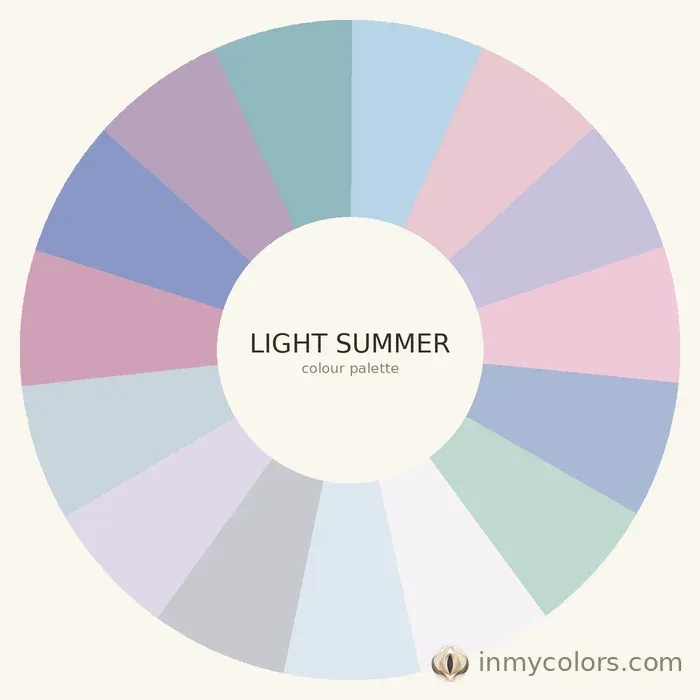
Light Summer calls for the palest, most delicate cool tones available. These are not watered-down versions of bolder colours — they are the right colours for this colouring.
Foundation neutrals replace the standard defaults that don't serve this season. Cool ivory (never warm cream, which will make skin look sallow), softest cool grey, palest lavender-grey, and cool silver-beige form the base. Warm neutrals — camel, warm white, tan — none of which work for Light Summer.
Core colours match the low value and low chroma of your natural colouring. Powder blue is perhaps the single most harmonious colour for this season. Soft cool pink at very low saturation. Palest lavender. Soft rose. Icy periwinkle. Whisper mint. All extremely pale and cool.
Accent colours should be just as light and cool as the core range. Pale cool lilac, blue-violet, soft mauve, and cool aqua — there is no place for vivid or high-contrast accent colours in this palette.
What to avoid — and why. Dark navy creates too much contrast and weight for Light Summer's delicate colouring. Black is simply overwhelming — it reads as harsh and heavy against such a light, low-contrast complexion. Warm tones entirely: orange, gold, warm cream, camel, honey — all fight your cool undertone. Vivid saturated colours dominate your features. The subtlest thing to avoid: stark white. While cool in temperature, it often reads as slightly yellow against very fair cool skin, making the complexion look greyer. Soft cool ivory is almost always more flattering.
Light Summer in the Wardrobe
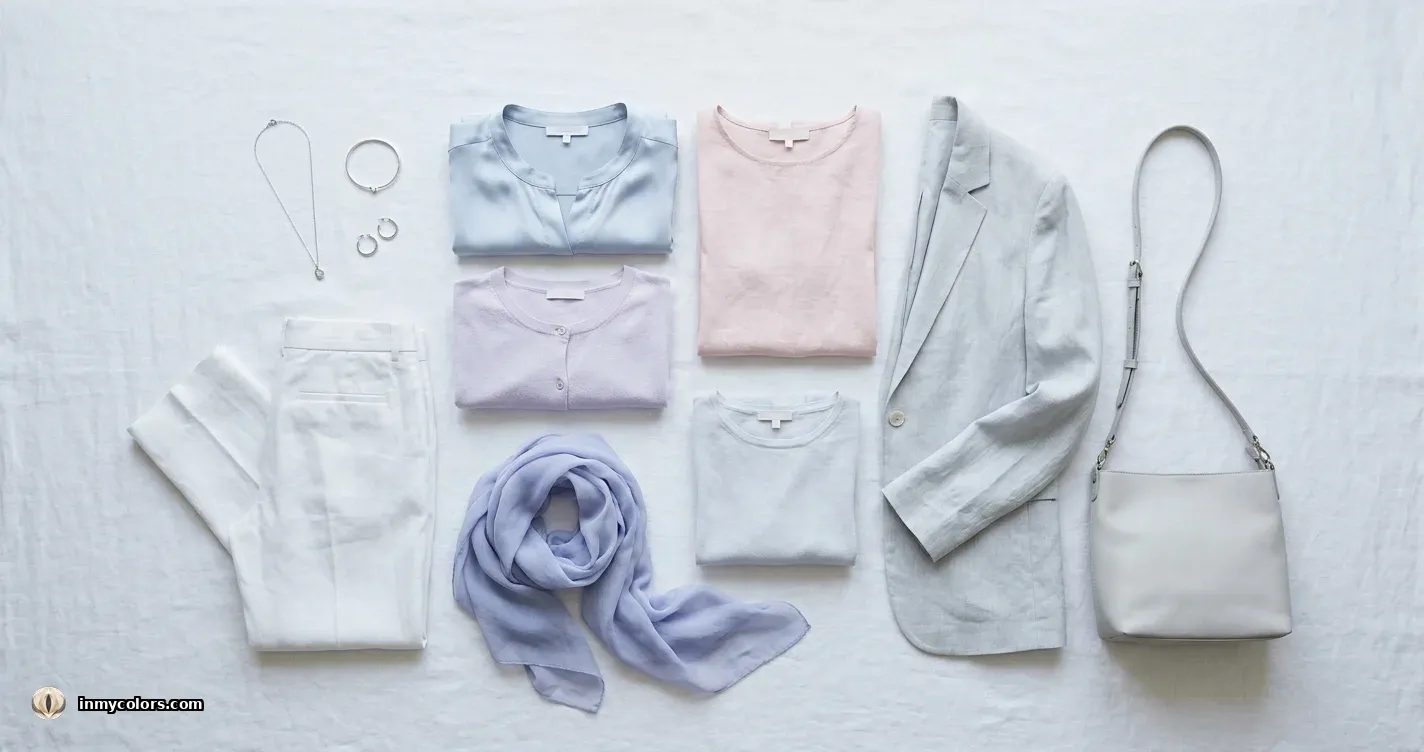
Dressing for Light Summer means accepting that the standard wardrobe anchor of dark neutrals does not serve you, and that your power colours are paler than almost any other season's.
The base layer. Your neutrals are pale rather than deep. Soft cool ivory, palest grey, and cool silver-beige replace the conventional base of black, charcoal, and navy. A pale powder blue can even function as a neutral in a Light Summer wardrobe — it is that close to your colouring.
Tops and blouses. The entire pale cool range works: powder blue, soft pink, palest lavender, cool ivory, whisper mint. The key is staying within the low-value, low-chroma range — anything that reads as vivid or saturated will be too much. In delicate fabrics — soft cotton voile, fine silk, light linen — these shades achieve an effortless elegance.
Outerwear. Palest grey, soft cool taupe, or very soft lavender-grey work well in coat weight. The challenge for Light Summer in outerwear is avoiding the pull toward camel or warm beige (perennial classics that belong to warmer seasons). If you need more depth for outerwear, soft blue-grey rather than warm dark tones.
Patterns. Very soft florals in powder blue and pale pink. Fine ditsy prints. Delicate watercolour effects. The pattern should read as overall pale — no high-contrast graphic elements, and no warm tones mixed into the print.
Metals. Silver, white gold, and platinum above all others. Very pale rose gold can occasionally work if it is more silver than pink. Yellow gold — even pale yellow gold — fights the cool undertone in a way that is immediately visible against very fair skin.
Light Summer Makeup
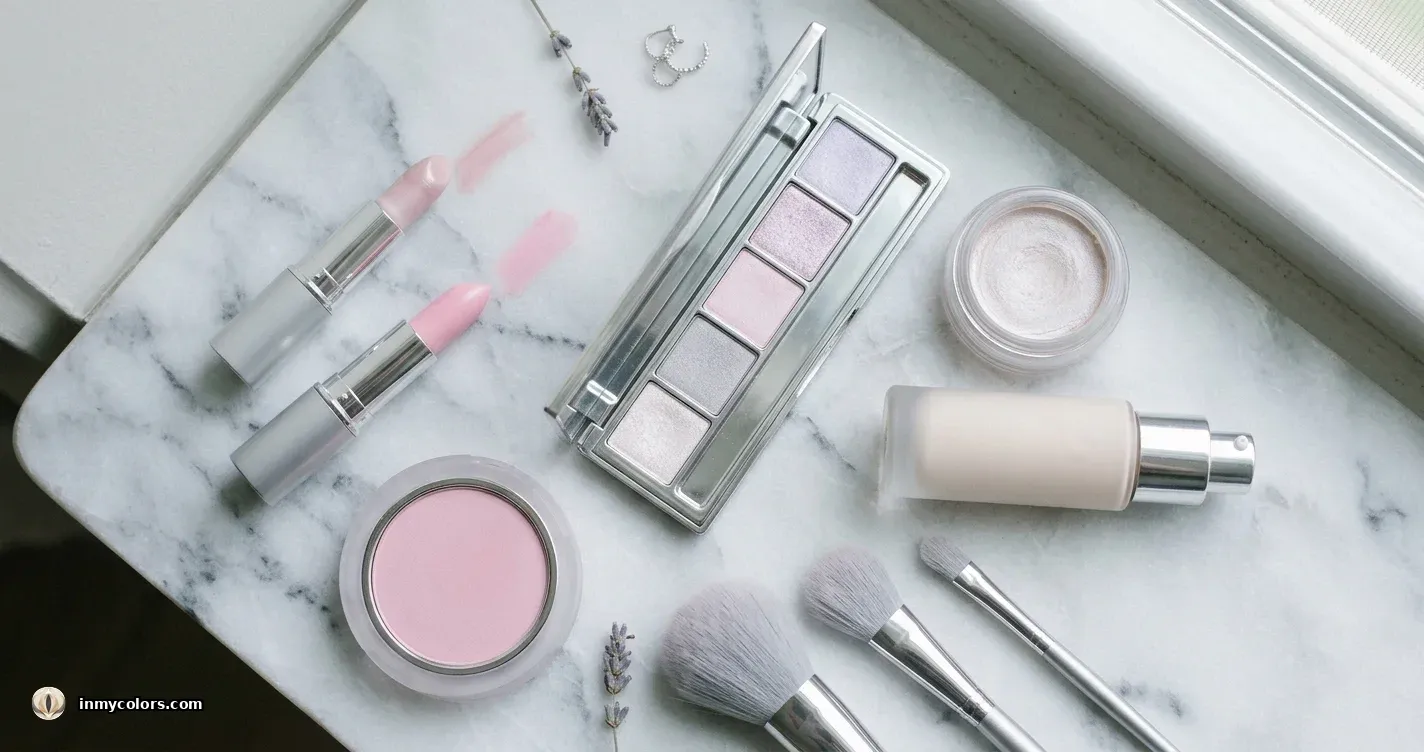
Makeup for Light Summer is the lightest possible hand with the coolest possible products. The risk is always doing too much — adding contrast or depth where the colouring requires none.
Foundation. You need the least coverage of almost any season. A light, cool-toned base — tinted moisturiser or light foundation in the palest pink-beige shade available — is usually sufficient. Heavy or full-coverage foundation tends to look mask-like on very fair skin. The guiding principle: the skin should look like skin.
Blush. The palest possible cool pink or whisper rose, applied with a very light hand. Because your skin already carries a delicate natural flush, you need almost no blush to replicate it. Any blush with warmth (peach, apricot, warm pink) will read as incongruous. The goal is barely-there — a suggestion of colour rather than a statement.
Lips. Soft cool pink, palest rose, and light mauve nude are your strongest options. These are all very low-saturation, very low-contrast with your skin — and that is exactly right. A vivid lip would dominate a Light Summer face; a pale cool lip harmonises with it. For evenings, a slightly deeper soft rose or dusty mauve can work, but still within the muted range.
Eyes. Very soft grey, icy lavender, palest cool blue for shadow. Light silver liner rather than dark. Mascara in a soft brown-black or soft grey rather than stark black. The rule: no heavy or dark lines, no warm-toned shadow, no contouring that creates hard edges.
Light Summer Hair
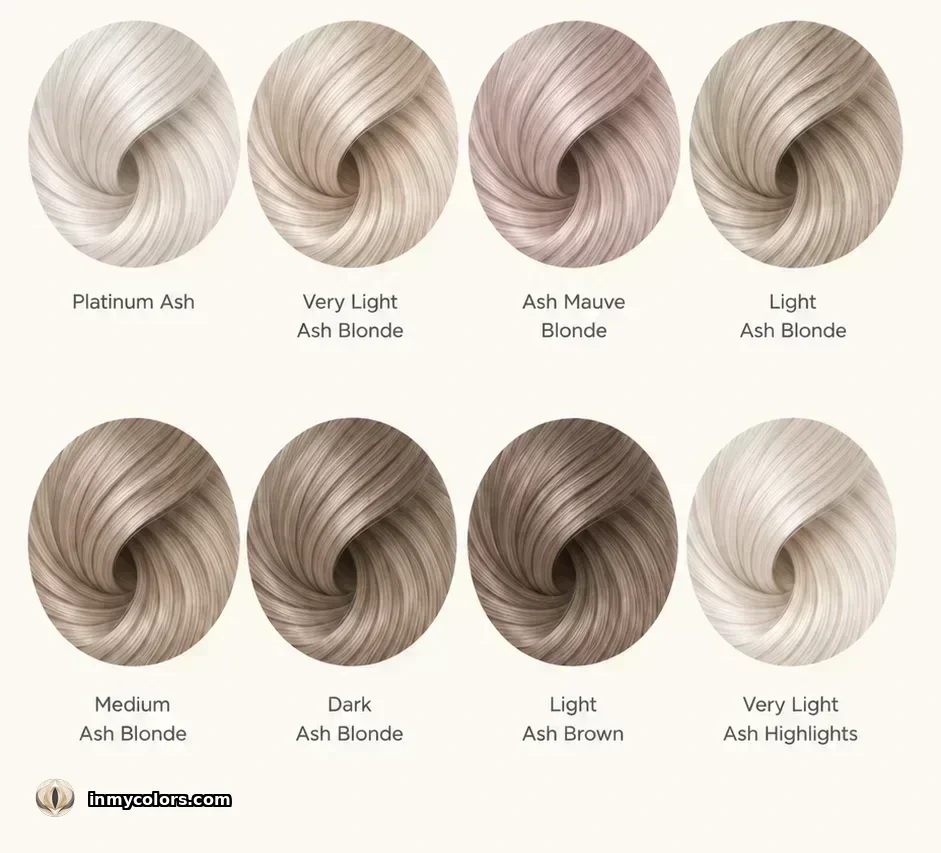
Natural colouring. Light Summer hair sits at the very lightest end of the ash family: ash blonde ranging from golden-absent medium blonde to platinum-toned or near-white blonde. The consistent quality is the absence of any warm tone — even when relatively light in value, it never has a honeyed or golden quality.
If you colour your hair. The directive is simple and strict: ash only, and very subtle. Pale ash highlights that maintain the cool, almost silvered quality of natural Light Summer hair. Platinum can work if it is cool. The goal is to stay within your natural tonal range — lighter is possible, but always cooler, never warmer.
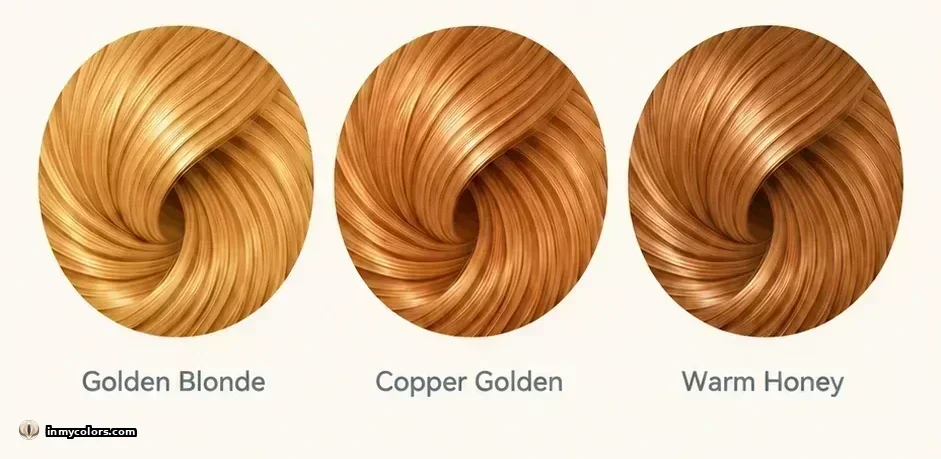
What to avoid. Any warm tone. This is more critical for Light Summer than almost any other season because the contrast between your very fair cool skin and a warm hair tone is immediately and harshly visible. Honey highlights, golden blonde, warm red, strawberry — all will make the complexion look grey and the hair look incongruent. Darker shades should also be avoided: going to a medium or dark brown adds contrast that your colouring cannot absorb.
Light Summer Celebrities
A note on celebrity examples: these assignments are educated guesses — celebrity photos are professionally edited, lighting varies, and makeup is always applied. These names are commonly cited examples, not verified classifications. Use them as a rough visual reference, not a confirmation of your own season. The only reliable way to find your season is an objective analysis of your actual colouring — not a comparison to someone else's. Find yours at inmycolors.com.

Naomi Watts is one of the strongest Light Summer references: ash blonde hair with no golden warmth, cool grey-blue eyes, and very fair cool skin. She reads as luminous and natural in muted cool shades and appears washed out in vivid or warm colours — the defining diagnostic of this season.
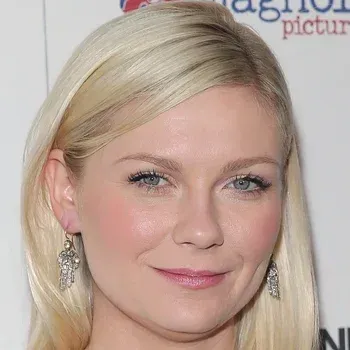
Kirsten Dunst demonstrates Light Summer's characteristic rosy-fair quality: ash blonde hair, cool blue-grey eyes, and fair cool skin with a delicate pink undertone. Her colouring has the low-contrast, cool, airy character the season is known for — most luminous in pale, muted cool tones.
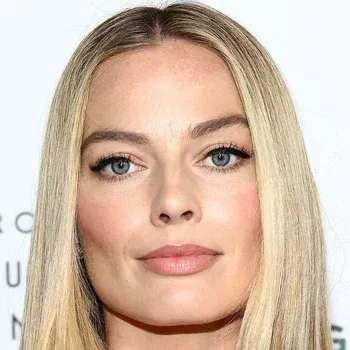
Margot Robbie shows Light Summer with slightly more visible contrast: cool blue eyes, fair cool skin with a rosy quality, and ash-toned blonde hair. Her most natural and striking looks are consistently in the pale, muted, cool range.
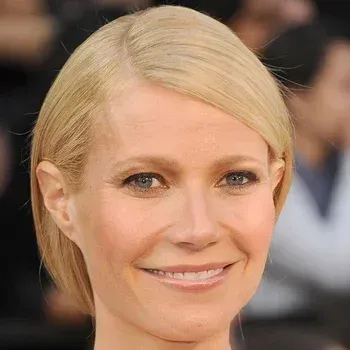
Gwyneth Paltrow is a frequently cited Light Summer example — very fair cool-toned skin, ash-to-light blonde hair, and cool grey-green eyes. Her most harmonious wardrobe choices stay in the pale, refined, and cool range that defines the season.

Charlize Theron brings ash blonde hair, very fair cool skin, and pale grey-green eyes to this season — very low contrast between features overall. At her most striking in pale cool tones; warm or vivid colour choices read as incongruent with her natural delicacy.
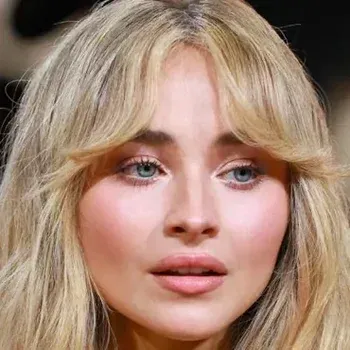
Sabrina Carpenter demonstrates Light Summer at its most current — light blonde hair, pale blue-grey eyes, and fair cool skin with a rosy delicacy. Her natural colouring has the airy, cool lightness that is the season's defining quality.
Common Misclassifications
Light Summer vs. Light Spring. This is the most important diagnostic distinction for this season. Both seasons share the lightest value axis — but temperature splits them completely. Light Spring is warm: peachy or golden skin, golden or strawberry-toned hair, eyes with warmth. Light Summer is cool: pink or porcelain skin, ash hair, pale blue or grey eyes. If warm colours make you look fresh and peachy, you are Spring. If they make you look sallow, you are Summer.
Light Summer vs. True Summer. True Summer has more depth and slightly more contrast — a more medium complexion and more defined features. Light Summer is the palest version of cool-and-muted, with near-zero contrast between features. If soft navy works well on you without feeling heavy, you are likely True Summer. If even that level of depth seems like too much, you are Light Summer.
Getting Your Season
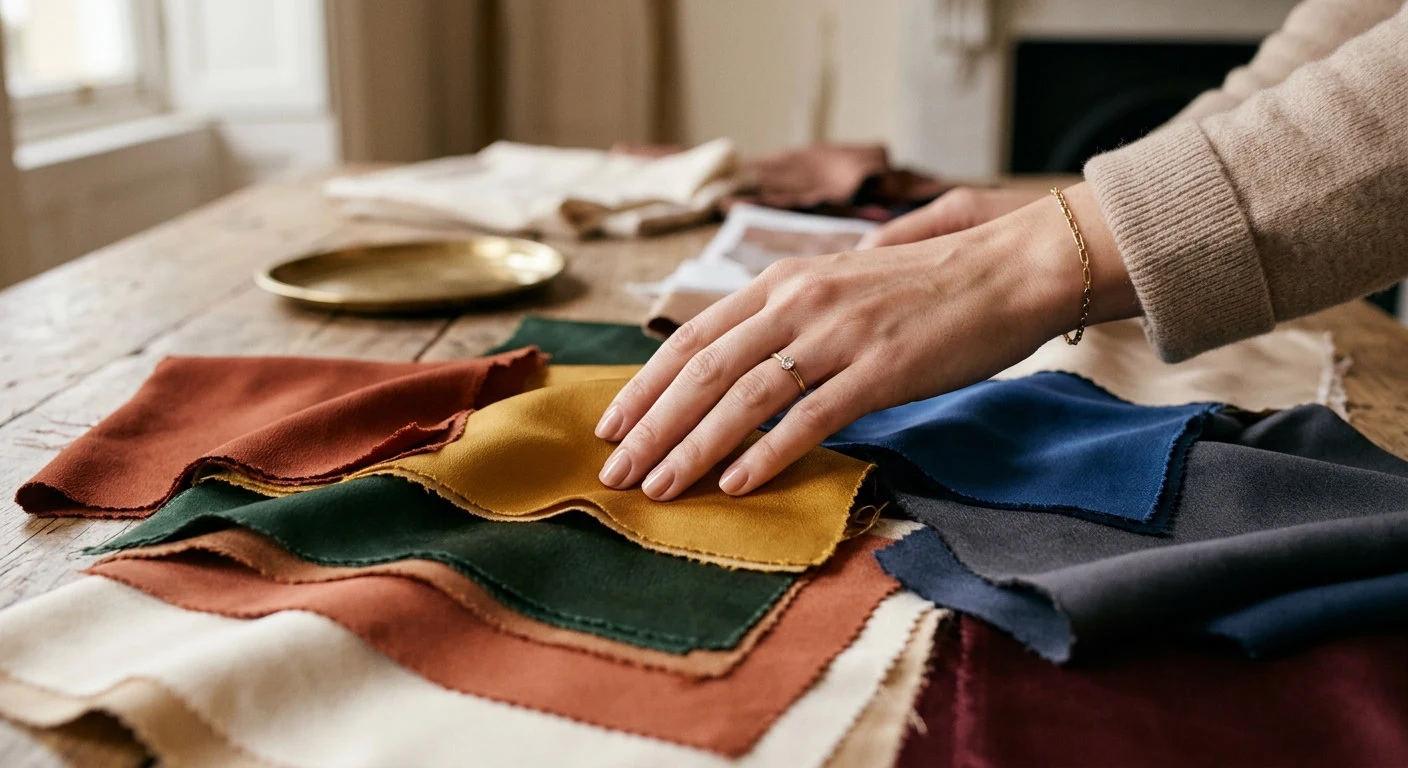
Most Light Summers spend years in the wrong palette — either following warm colour trends that fight their undertone, or attempting to add contrast and depth that their colouring simply cannot carry. The result is a persistent feeling that something is slightly off, even when the individual pieces seem fine.
The Light Summer palette looks deceptively plain on a colour swatch. On the right person, it does something remarkable: it makes very fair, delicate colouring look radiant rather than washed out, effortless rather than invisible. The palette is not quiet because it lacks ambition — it is quiet because that is exactly what this colouring needs.
Find your season at inmycolors.com.