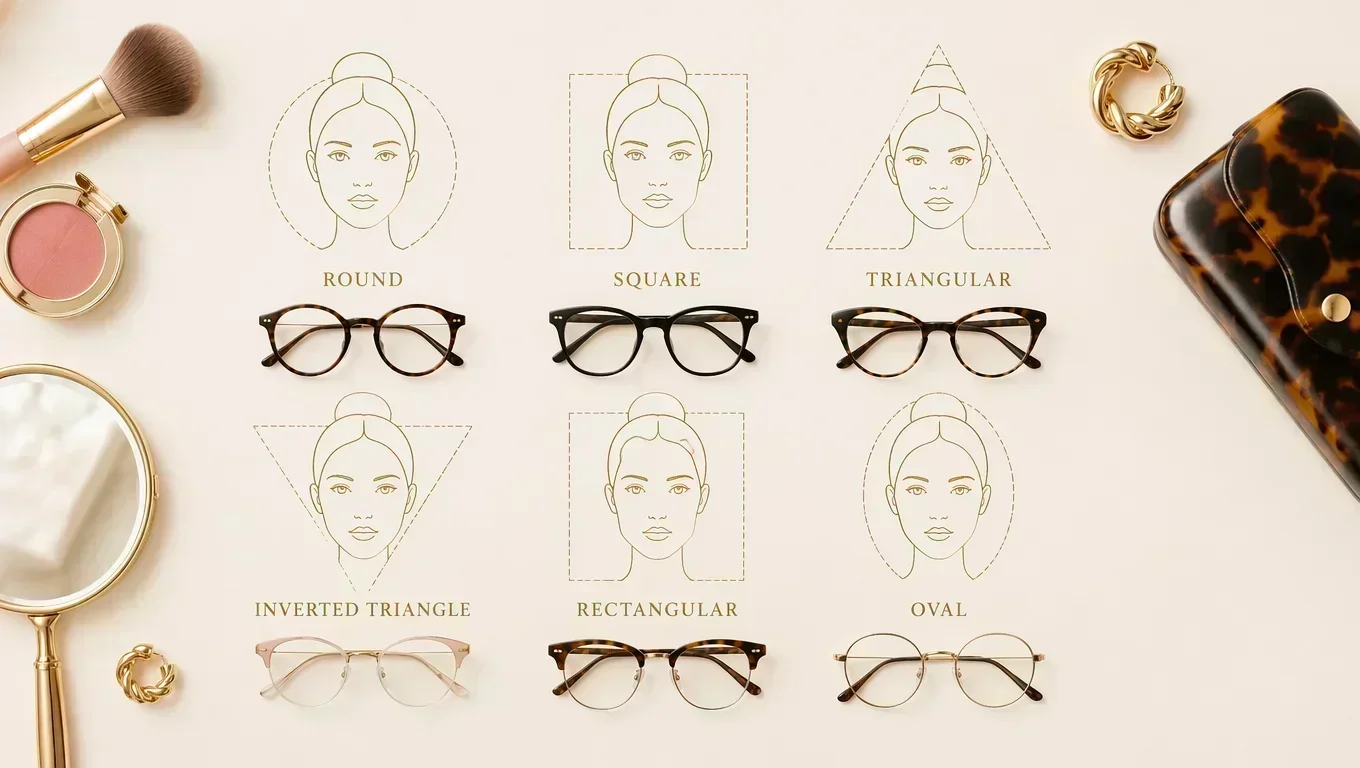
Most conversations about personal style stop at colour and body shape. They leave out something that affects every decision you make about your face — your glasses, your blusher, your haircut, your earrings — from the moment you get dressed.
Your face shape.
There are six fundamental face shapes, and understanding yours is the foundation for everything that sits near your face.
This guide covers all of it: how to identify your shape, what goal it sets, and what that means for your glasses, blusher placement, hairstyle, and accessories.
How to Identify Your Face Shape
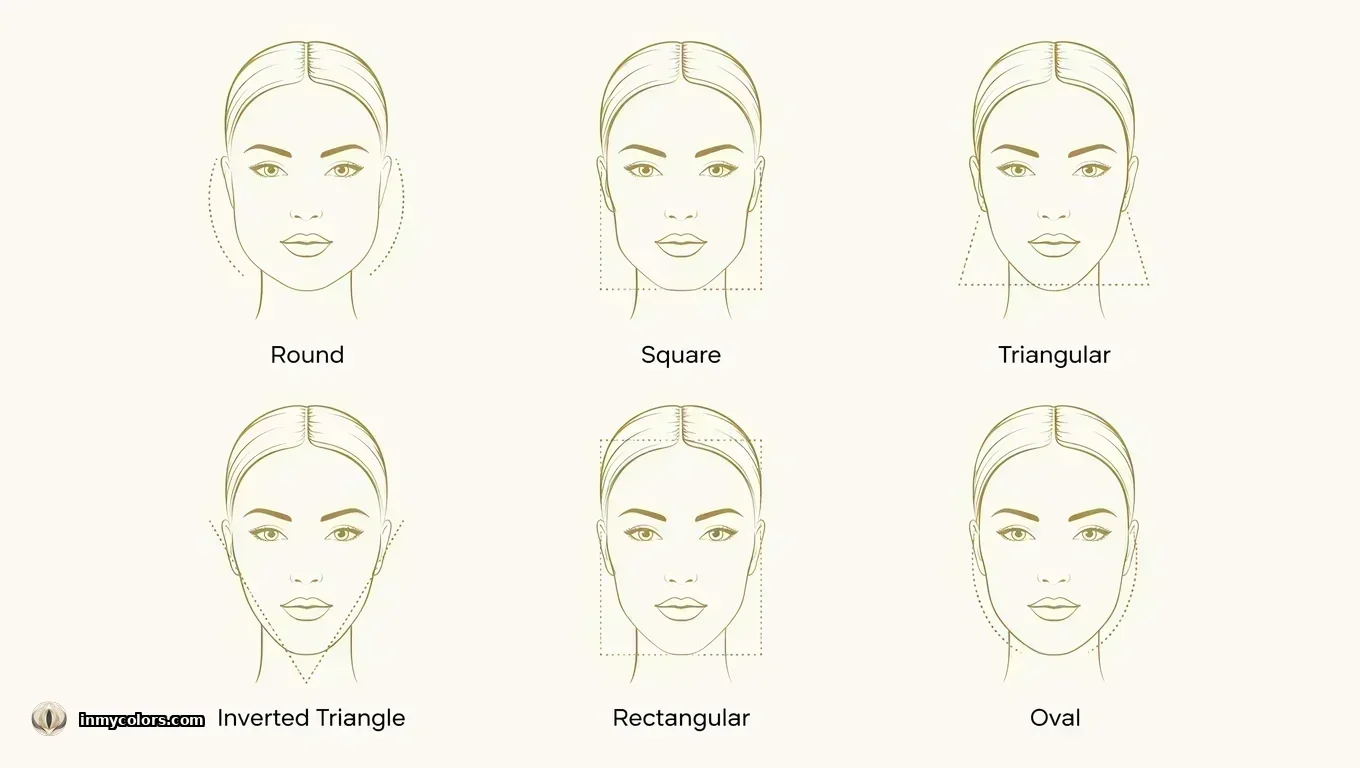
The process is straightforward and requires nothing more than a mirror and good light.
Pull all of your hair back completely — the hairline must be fully visible. Stand in front of a mirror in natural daylight and look at your face straight on, not at an angle. Note a single thing: where is your face at its widest?
At the cheeks — you are Round or Square. The distinction: if the jawline is soft and curved, you are Round. If the jaw is approximately the same width as the forehead and has a squared edge, you are Square.
At the forehead — you are likely Inverted Triangle (also called heart-shaped). The forehead and cheekbones are wide; the face tapers to a narrow chin.
At the jaw — you are Triangular (also called pear-shaped). The jawline is wider than the forehead; the cheekbones sit broader than the browbone and narrower than the jawline, creating a pear-shaped silhouette.
Nowhere clearly — you are Rectangular or Oval. Measure the length against the width: if the face is noticeably longer than it is wide, you are Rectangular. If the proportions are more balanced and the face tapers gracefully from the cheekbones to a softer chin, you are Oval.
If you are still uncertain after this, consult your hairdresser. They identify face shapes daily and will tell you immediately.
The Six Face Shapes
Round
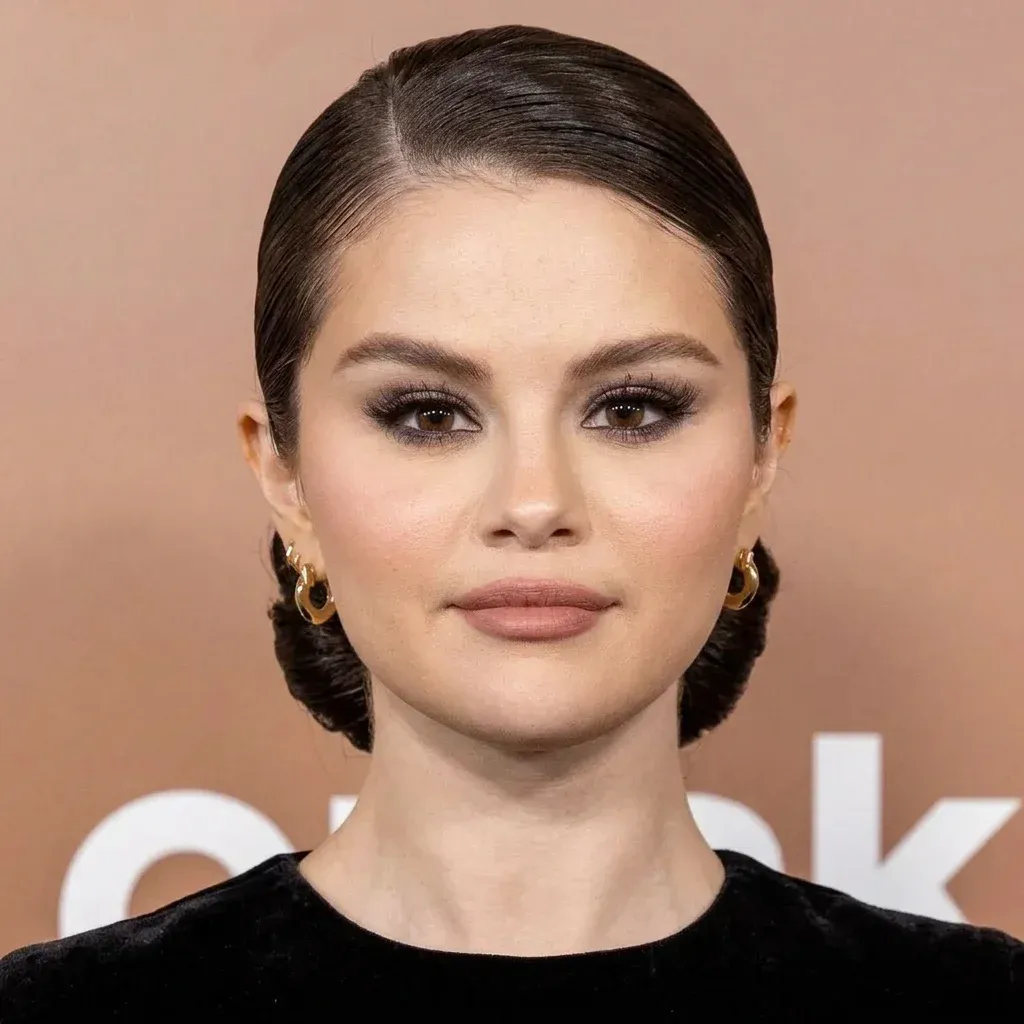
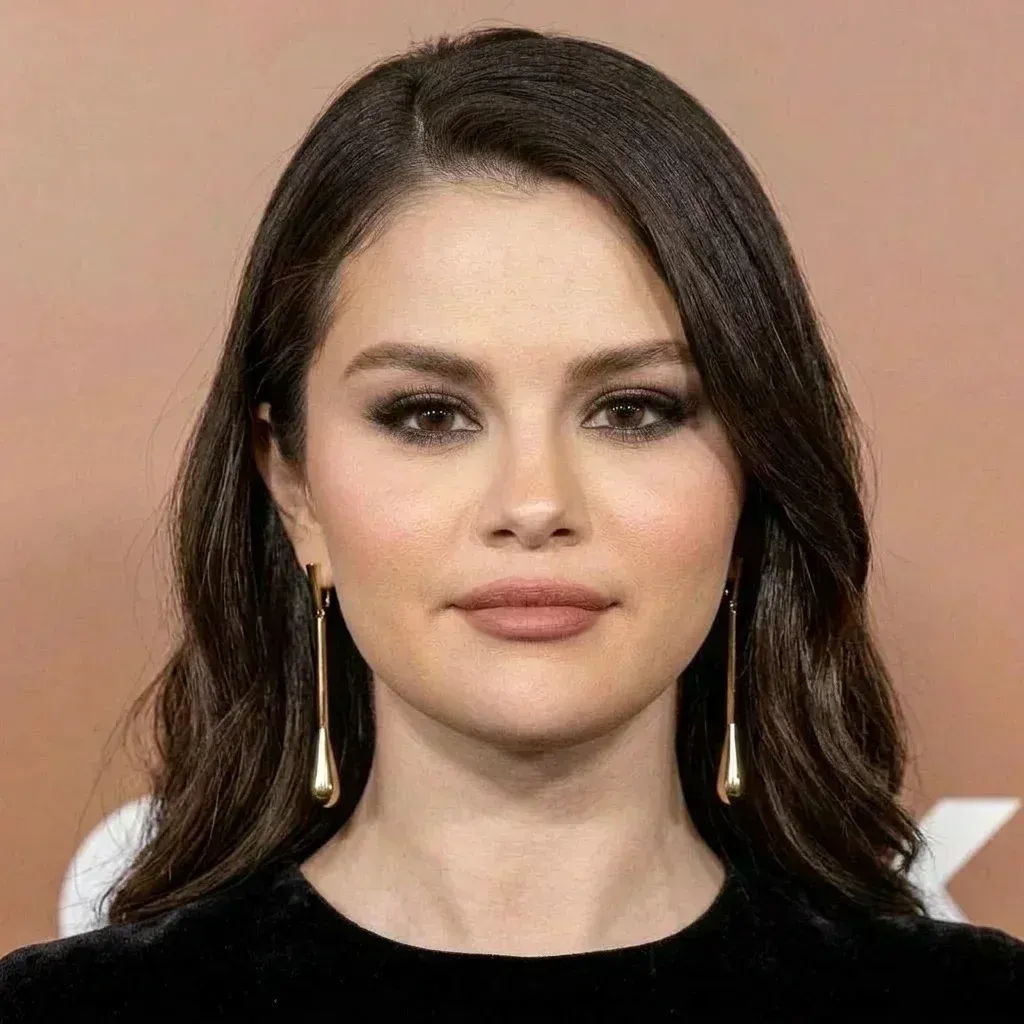
Almost as wide as it is long. The greatest width is at the cheeks and the facial lines are curved throughout. Favoured in the 1920s for its soft, feminine quality.
Goal: elongate the face and create angles.
Square
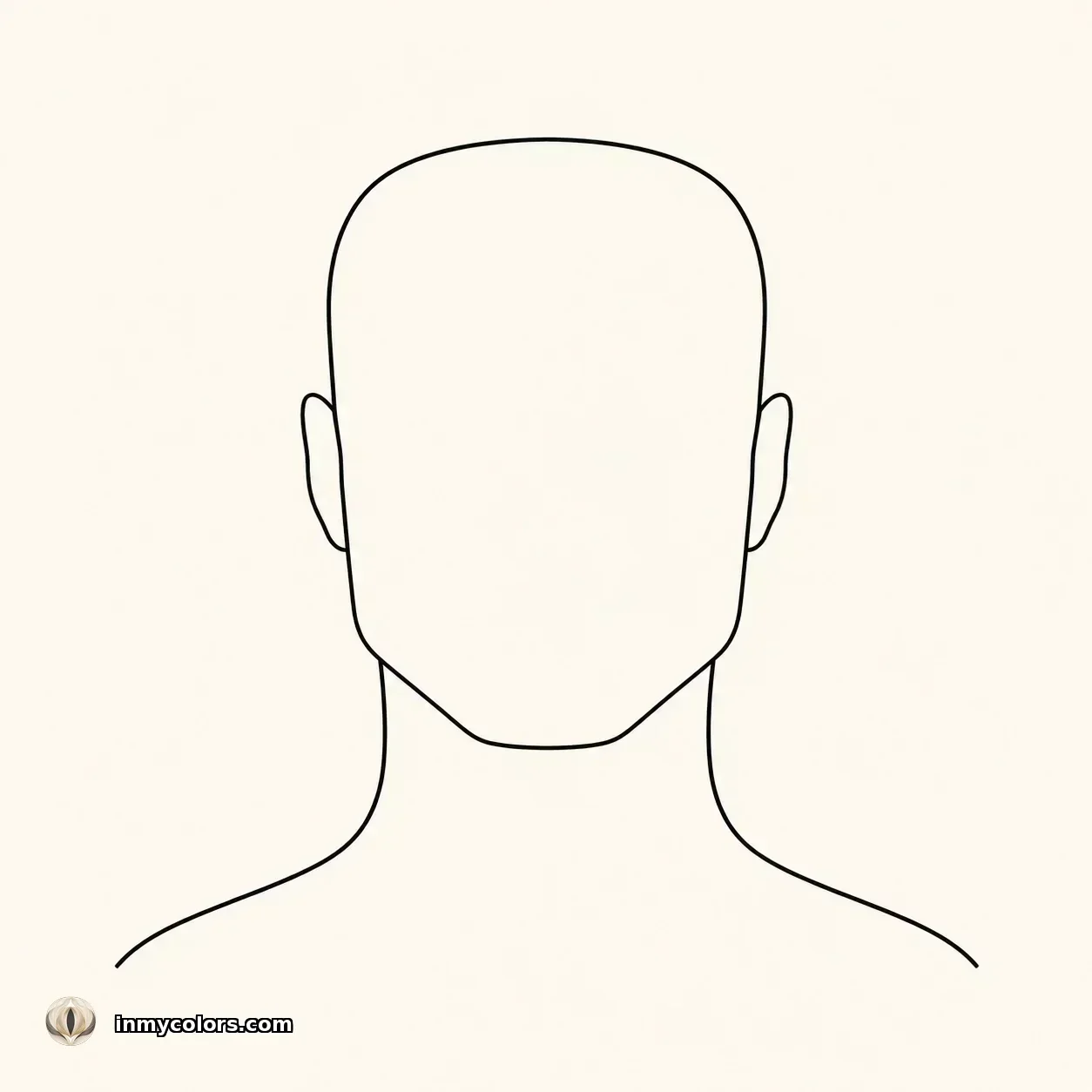
A squared forehead sits at approximately the same width as the cheekbones and jawline. The dominant feature is the jaw, which has a squared rather than rounded edge. Considered the ideal in Roman antiquity for its strength and symmetry.
Goal: elongate the face and soften the squareness with curves.


Triangular
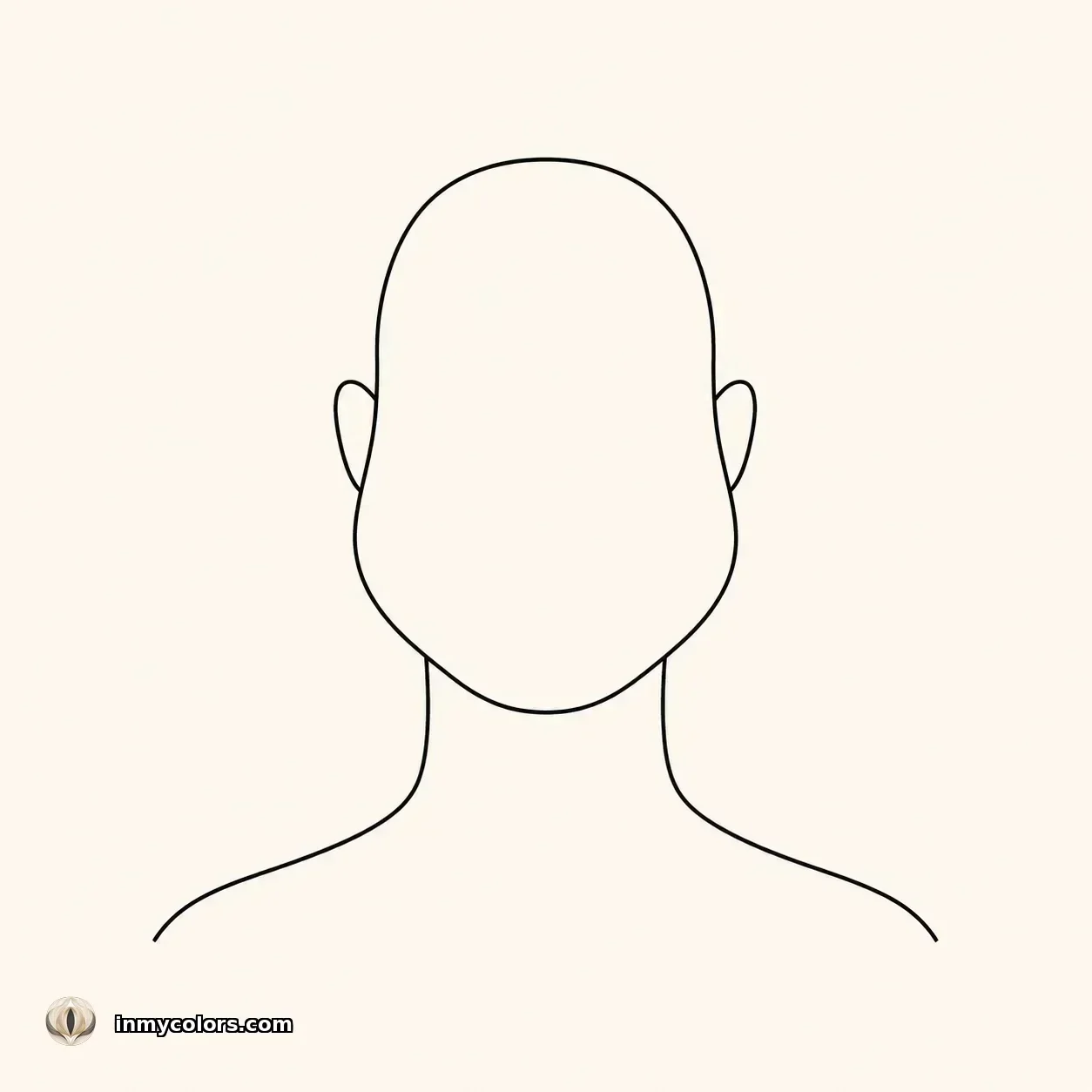
The jawline is wider than the forehead. The cheekbones are broader than the browbone and narrower than the jawline, creating a pear-shaped silhouette. Sometimes called the pear-shaped face.
Goal: balance the face by adding width at the cheeks and forehead and minimising the jaw.
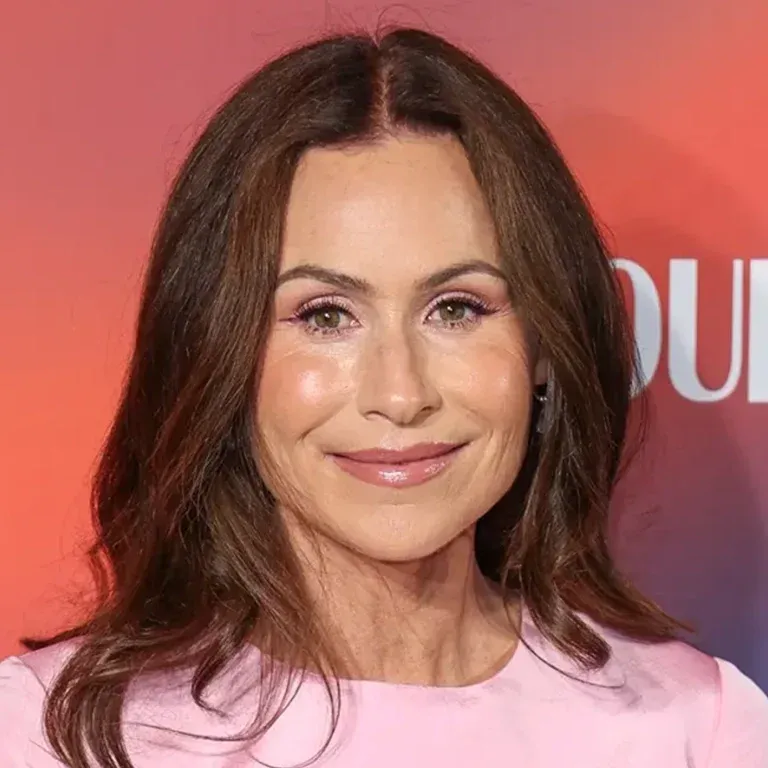

Inverted Triangle
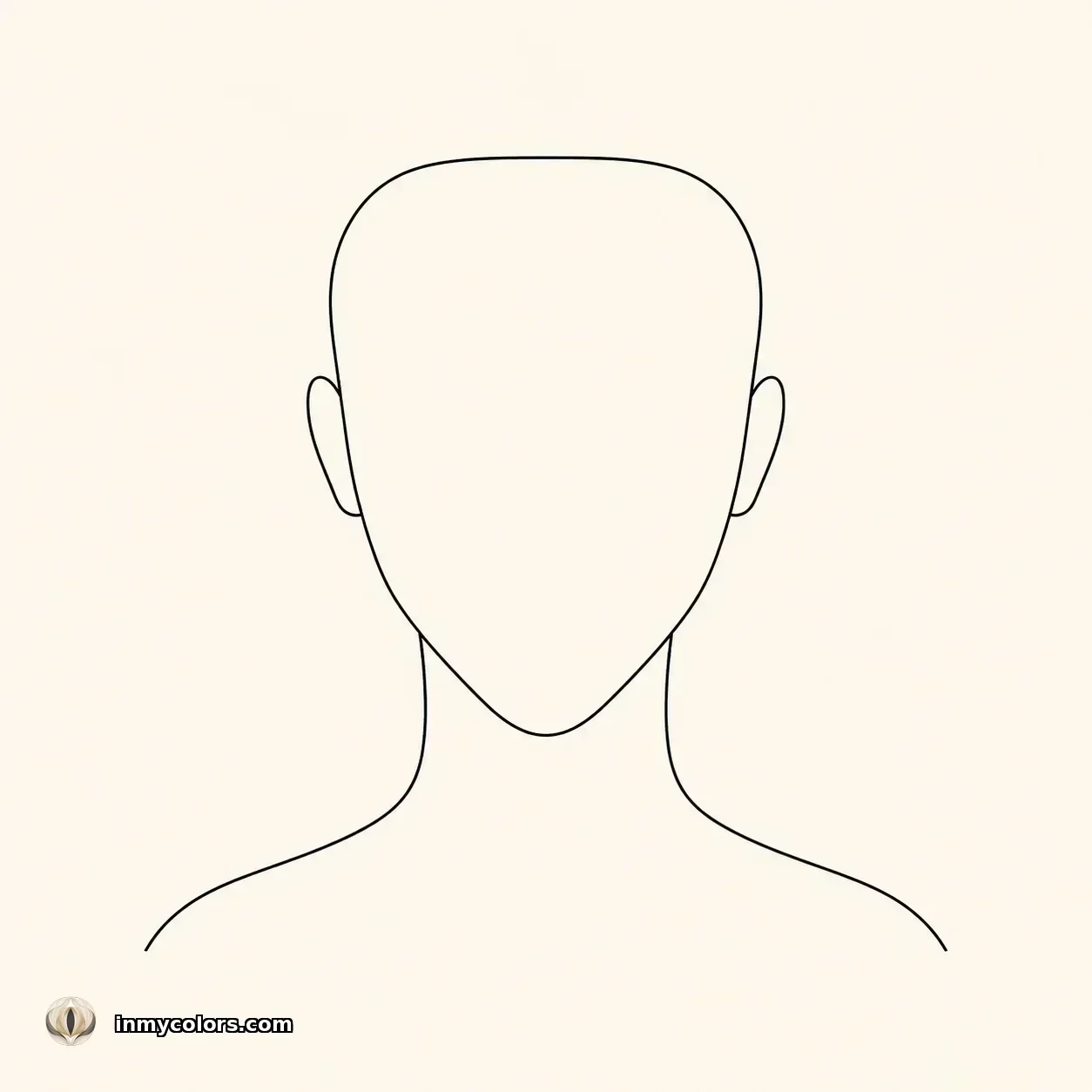
A wide forehead and high cheekbones taper to a narrow chin. Also called heart-shaped or diamond — the diamond variant sits widest at the cheekbones rather than the temples, but the styling goal is the same. This contour was the reigning ideal throughout the elegant 18th century.
Goal: balance the extremes of the upper and lower face and soften the prominent V-shape of the chinline.
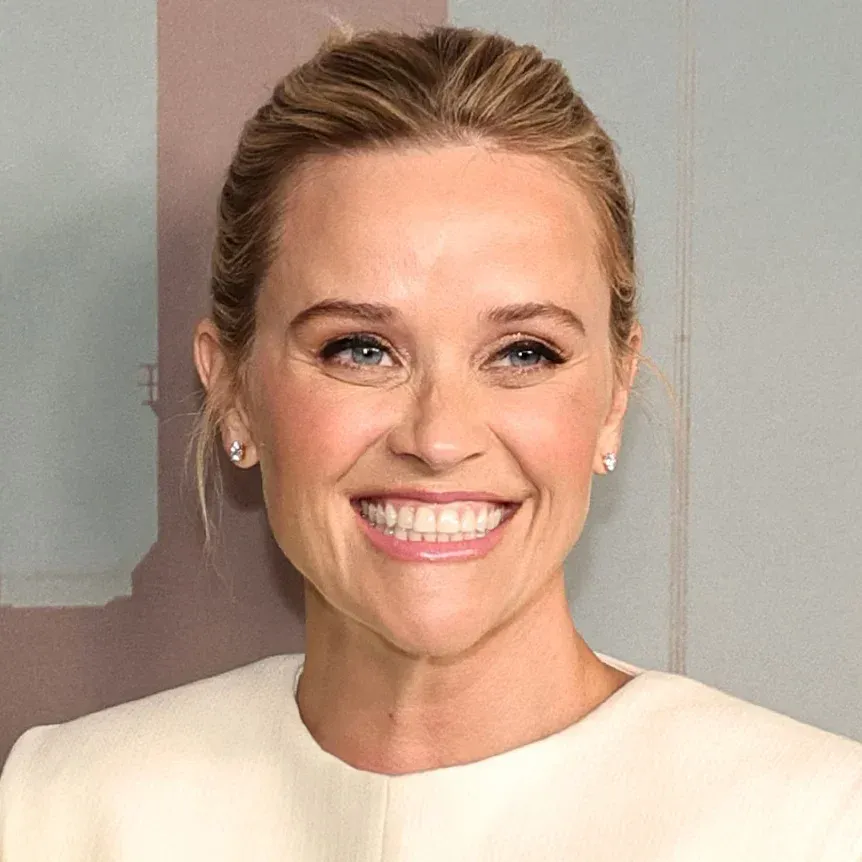
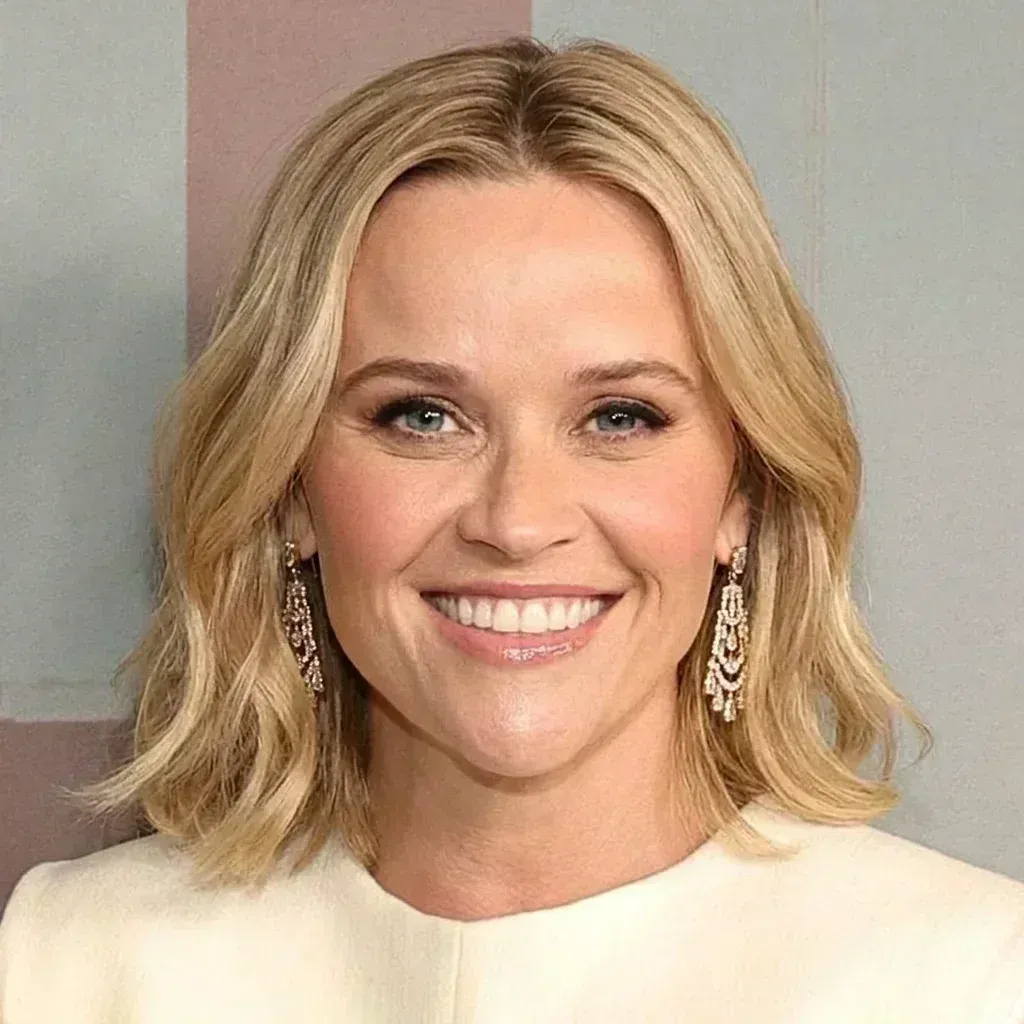
Rectangular
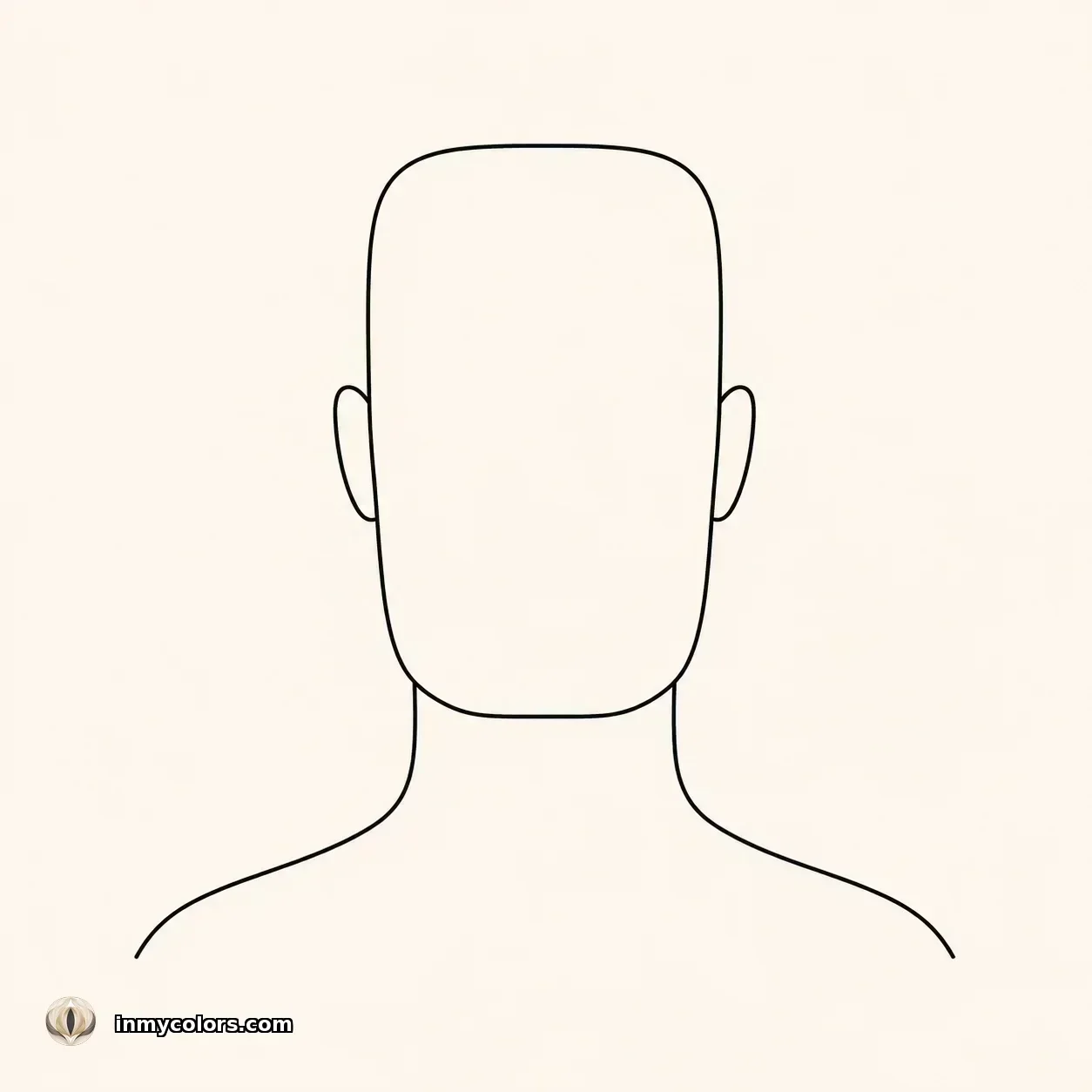
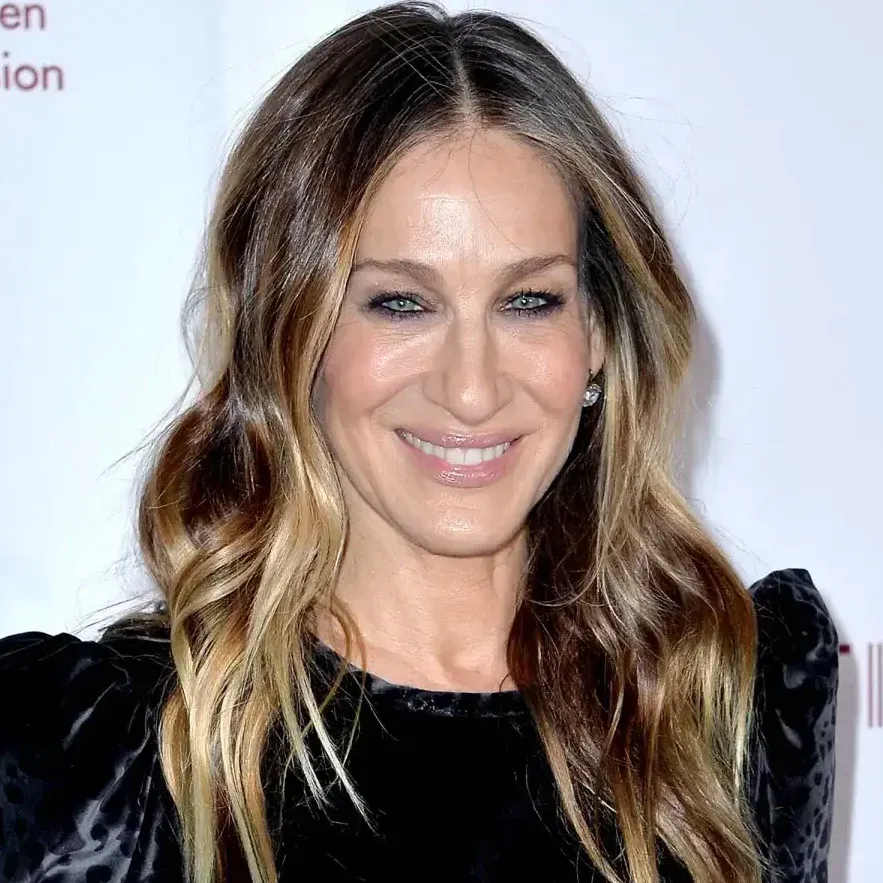
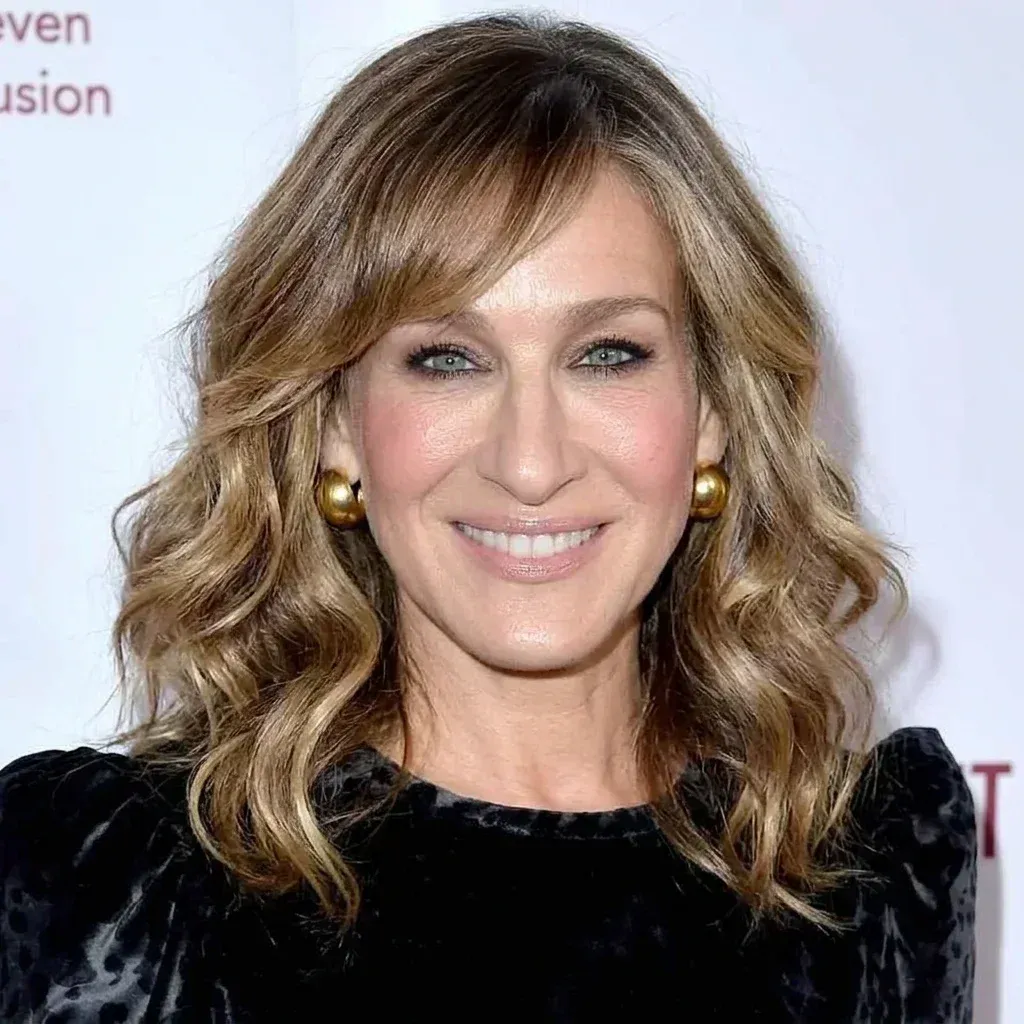
A high, clear forehead, straight cheekbones, and a strong, classical jawline. The length of the face is greater than its width. Also referred to as the long or narrow face. The face of Venus de Milo and Aphrodite, according to Revelli — classical but requiring management.
Goal: balance, shorten, and soften the angular lines.
Oval
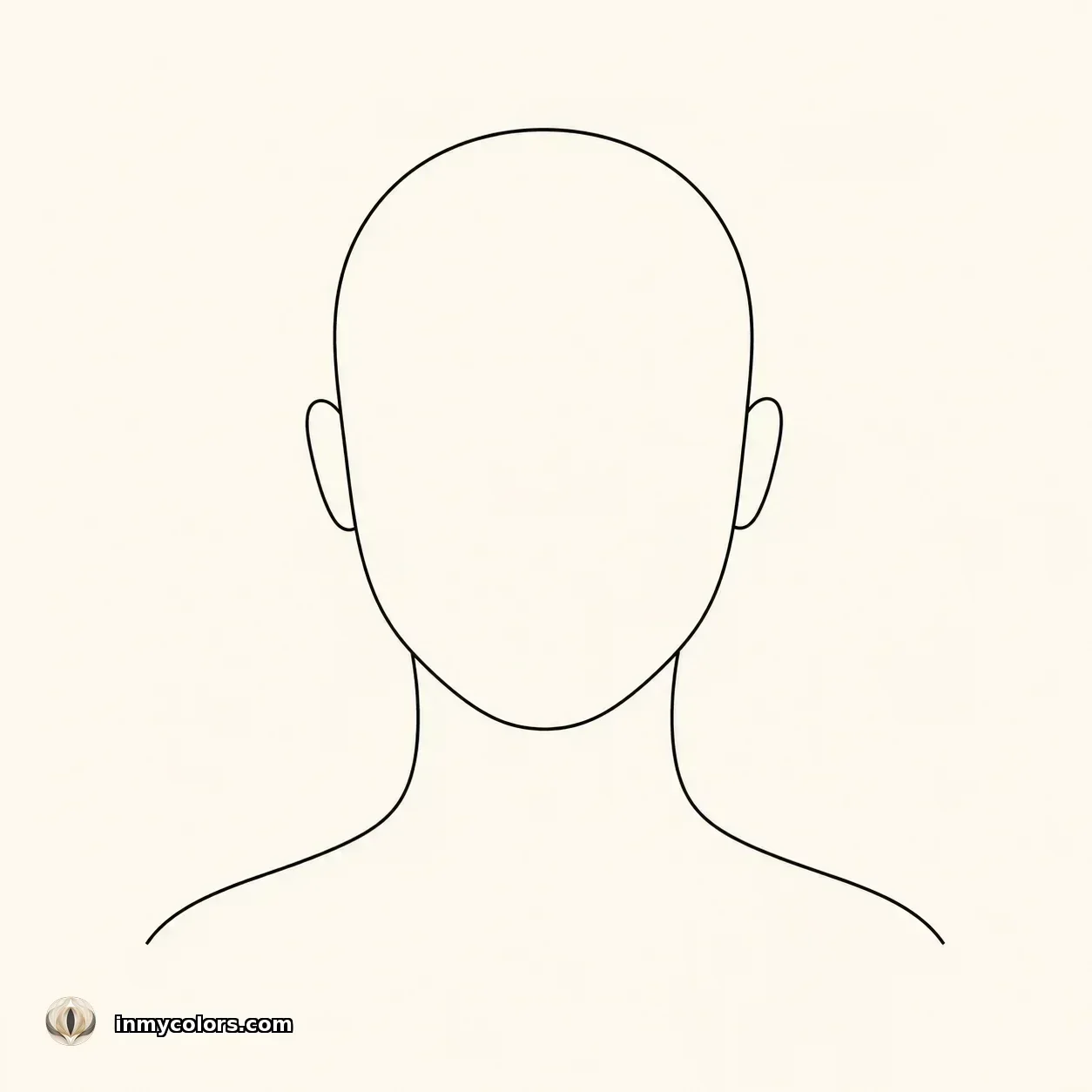
The oval is considered the ideal. The forehead is wider than the chin, the cheekbones are dominant, and the face tapers gracefully from the cheekbones to a narrower, oval chin. Only this shape never seems to go out of fashion.
Goal: maintain the natural balance and harmony of the face.
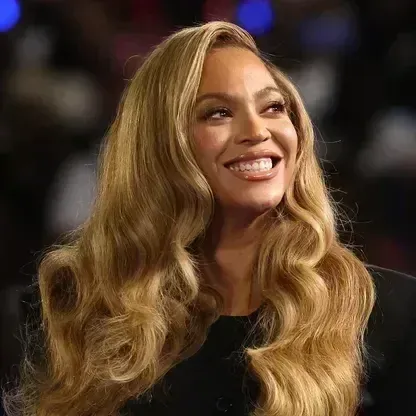
Glasses
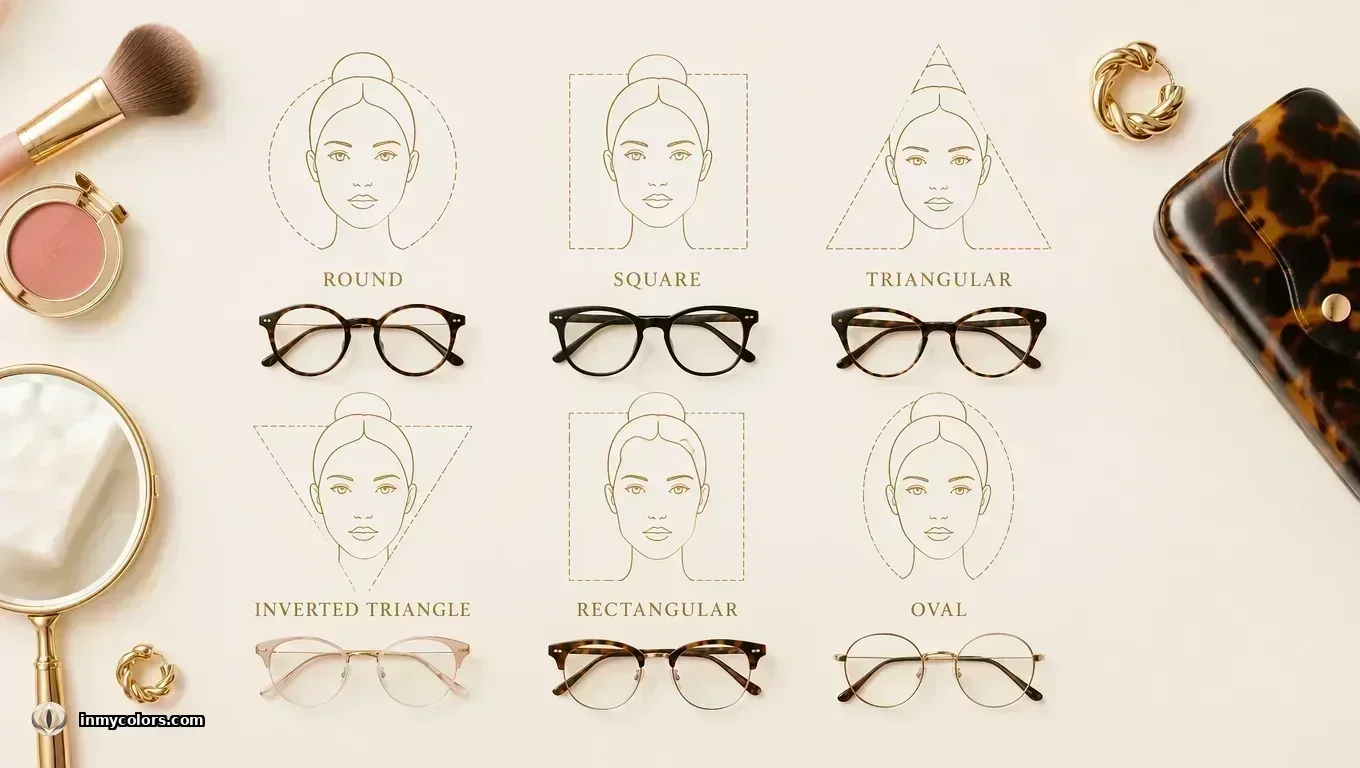
The eyewear you choose can either enhance your face shape or work against it. The principle is consistent across all six shapes: frames should contrast your shape, not repeat it. An angular face benefits from rounded frames; a round face benefits from angular ones.
Round
Select frames that are no wider than your face. Angular frames de-emphasise the roundness. Wide octagonal or squared frames create a slimming effect; choose a bridge that is wide and slightly arched. Avoid small styles and any frames that repeat the roundness of the face.
Square
Choose frames with soft rounded curves. Decorative or contrasting colour sidebars draw attention to the browline and add softness. Avoid square-shaped frames — they repeat the structure rather than counterbalancing it.
Triangular
Broad-rimmed frames that are slightly wider than the widest part of the jawline work best. The lower edges should be narrower and curve upward. Rectangular shapes, aviators, and rounded cat's-eye shapes are all good. The goal is to draw the eye upward, away from the jaw.
Inverted Triangle
A combination frame that is round at the top and square at the bottom suits this contour well. Aviator, butterfly, and low-triangle styles are all flattering. Avoid cat's-eye shapes, which emphasise the already-wide upper face.
Rectangular
Oval or aviator shapes are best, provided they create width at the cheekbones. Choose a bridge that is slightly curved. Decorative sidebars add width and interrupt the length. Avoid rectangular frames that repeat your face shape.
Oval
Almost any frame design works for the oval, provided it does not detract from the shape's natural proportion. Rimless and semi-rimless styles are especially flattering. Avoid sidebars — particularly low ones — that might throw the face off balance. The oval's one instruction is: don't disrupt what is already there.
Blusher Placement

This is the section most people get wrong — not in the colour they choose, but in where and how they apply it. Blusher placed incorrectly works against your face shape regardless of how perfect the shade is. Placement is technique; colour is secondary.
The underlying principle: blusher applied horizontally adds width. Applied diagonally upward, it adds length. Applied at the chin, it shortens the face. Every face shape uses a combination of these directions to move toward its goal.
Round
Apply blusher in a sideways V on the cheekbones. Blend upward from the cheekbone toward the temples. Add a touch of blusher to the chin and blend softly. Avoid circular or round application — it mirrors the shape you are trying to minimise.
Makeup goal: minimise width and create the illusion of length.
Square
Apply blusher on the cheekbones starting at the centre of the eyes. Blend toward the temples and apply a small dab to the forehead and chin to soften the squared angles at both ends.
Makeup goal: soften the square angle and reduce the prominence of the brow and chin areas.
Triangular
Apply blusher in wide strokes from the hairline down toward the nose, remaining high on the cheekbones. Soften the jawline with a light touch of blush on both sides. The strokes should widen the upper face while the light jaw application brings balance.
Makeup goal: balance the face by adding apparent width to the forehead and minimising the jaw.
Inverted Triangle
Apply blusher in a sideways V on the cheekbones. Blend upward from the cheekbone to the temples, extending over the eyebrow toward the centre of the forehead. Avoid applying blusher to the chin — it would emphasise the narrowness rather than soften it.
Makeup goal: balance the width of the forehead and cheeks with the rest of the face.
Rectangular
Apply blusher high on the cheekbones just below the outer corner of the eye. Blend upward toward the temples. Apply a dab of blusher at the chin and blend to shorten the apparent length of the face. Avoid any vertical blending — it elongates.
Makeup goal: shorten and minimise the length of the face and add apparent width.
Oval
Apply blusher at the most prominent part of the cheekbone and blend upward to the temples. No correction is needed — only enhancement. The oval face does not need to be managed; it needs to be highlighted.
Makeup goal: keep the face in balance and highlight the cheekbones.
Hairstyles
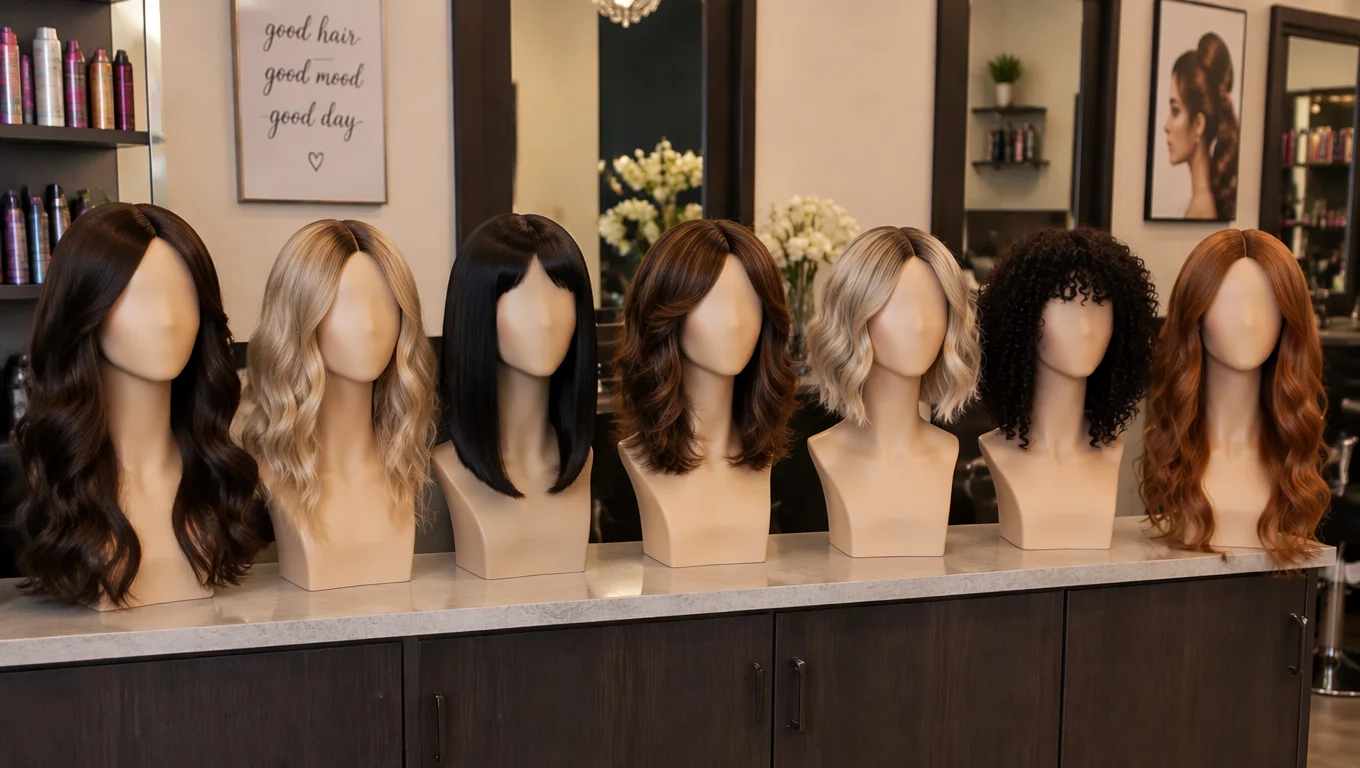
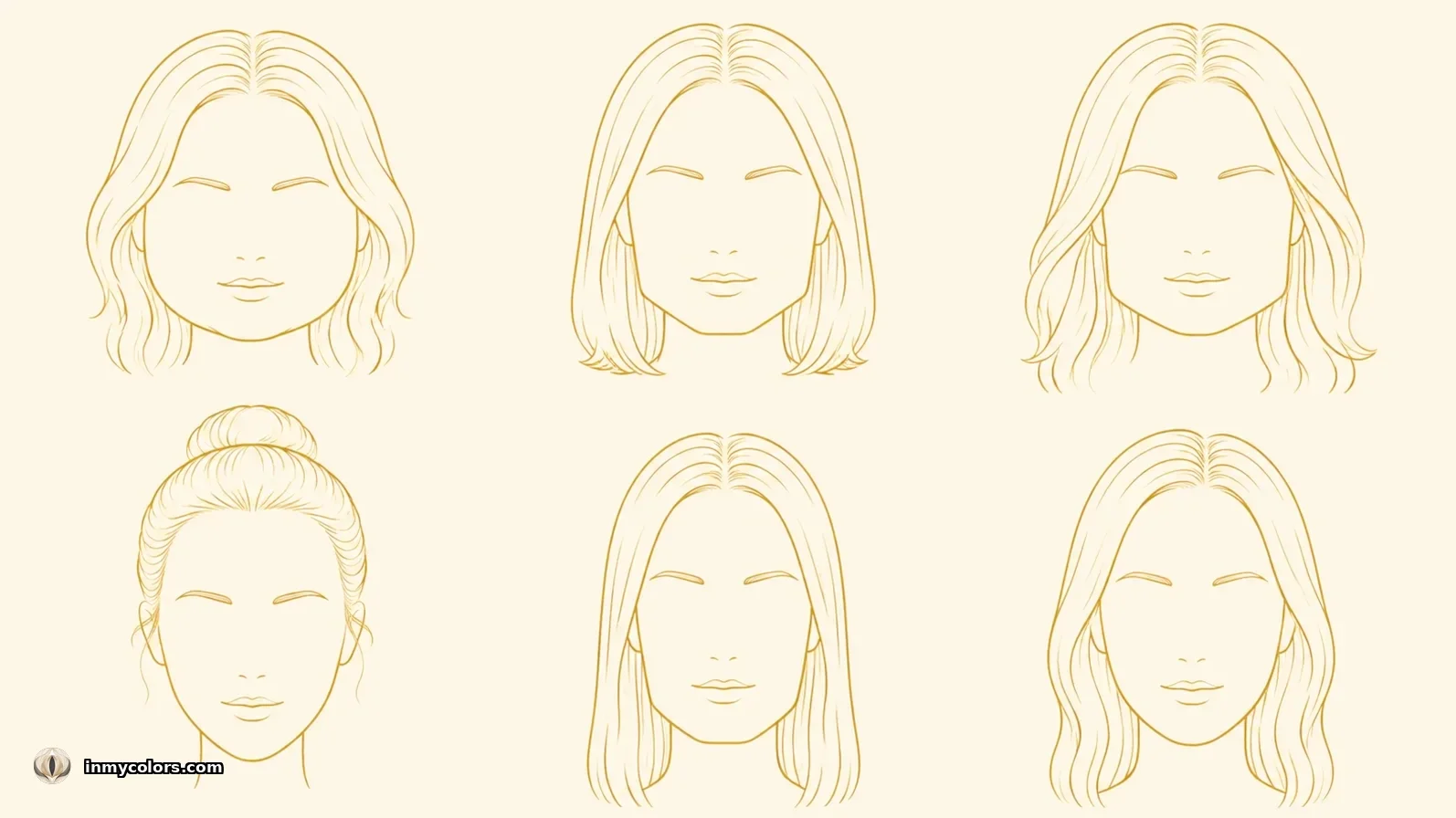
The cut is not the style. This distinction matters more for face shape than almost anything else. A good cut follows the natural flow of your hair while enhancing your facial structure. A style applied on top of a wrong cut will always struggle — the structural problem underneath remains.
Identify your face shape goal, then match the hair volume and length to move toward that goal. More volume where you want apparent width; less volume where you want apparent narrowness.
Round
Keep fullness above the ears and height at the crown. Keep hair over and around the cheek area to minimise the fullness of the cheeks. If worn long, hair should be fuller at the neck to draw the eye downward and create the illusion of length. Avoid centre parts, flat styles, and cuts that are very full or very short.
Lengths: all lengths work well, as long as there is fullness at the crown.
Square
Soften the face with wisps of bangs across the forehead — this breaks the visual line of the squared brow. Curls or waves are preferable to sharp, angular styles. Layered cuts and variety in line work well. Avoid any fullness at the jawline, which echoes and reinforces the squared jaw.
Lengths: longer styles help to lengthen the face. Hair falling below the jawline or longer is especially flattering.
Triangular
Add width at the top by using full or wispy bangs across the forehead area. Irregular lines are good — they draw attention upward. Direct hair closer to the cheek and over the ears. Avoid fullness at the jawline at all costs; it widens the already-wide jaw.
Lengths: both short and long work. Short styles need volume and fullness to balance. Long styles should fall at least to the neckline, well below the jawline.
Inverted Triangle
Soft or loose styles work well. Cover part of the forehead with bangs to make it appear narrower. Fullness at the jawline or at the shoulders adds width where the face narrows and creates balance. Avoid low side parts and severe, close-to-the-head styles.
Lengths: shoulder length works very well. The shortest styles should fall to the chin or below — nothing shorter, or the narrow jaw becomes the entire focal point.
Rectangular
Hair should be full at the sides and have minimum height at the top — the opposite of Round. Bangs are good because they cut the illusion of length. A side part is better than a centre one, which emphasises length. Avoid pulling hair straight back or close to the head.
Lengths: mid-length is best. Long hair pulled back emphasises the length; very short hair removes the side volume that creates width.
Oval
The oval has the most freedom. Styles that frame the face are most flattering — keep the look uncomplicated and soft so as not to detract from the natural balance. Avoid anything too extreme that disrupts the proportion.
Lengths: any length works, as long as it maintains the natural balance of the face.
Accessories and Earrings
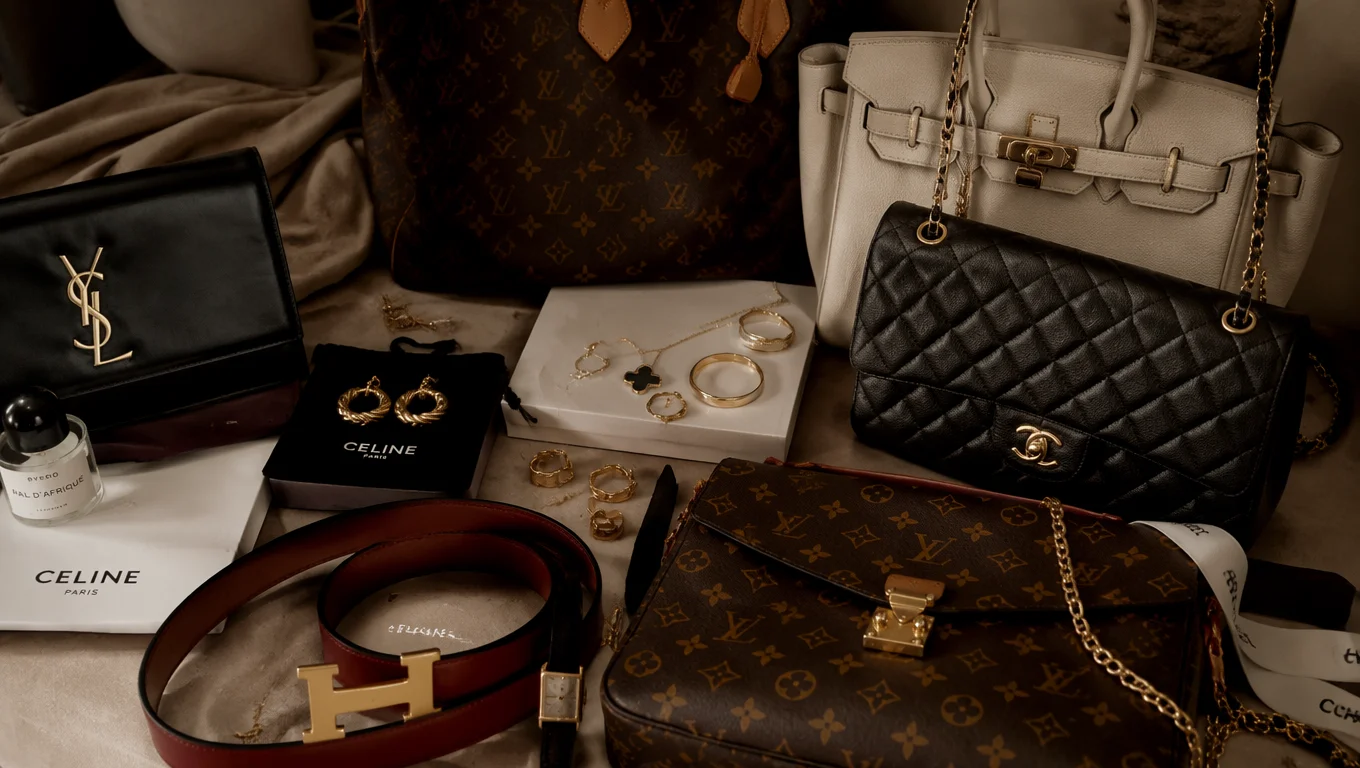
The same principle that governs glasses governs earrings: contrast the shape, don't mirror it.
Round — Long, drop-style earrings with moderately straight lines. Long scarves and necklaces add visual length. Avoid circular or very round earring shapes.
Square — Medium-sized round or oval earrings with some length and curve. Loosely tied scarves and long necklaces soften the angular lines. Avoid square or geometric earrings.
Triangular — Earrings that sit above the jawline and draw the eye in a vertical direction. Avoid dangling earrings and any horizontal pieces at the neckline that would widen the jaw.
Inverted Triangle — Earrings with some length and a round rather than sharp-angled shape. Scarves and necklaces with soft curves work well. Avoid overly large or wide earrings at the temple level.
Rectangular — Short earrings close to the face in rounded or curved shapes. These create apparent width through the middle of the face. Avoid dangling earrings, which emphasise length.
Oval — A variety of jewellery and scarf styles work well. Almost any shape is flattering as long as the scale is not too extreme.
One Shape, One System
Face shape is not a single decision — it is a filter. Once you know your shape and understand its goal, the decision-making across glasses, blusher, hairstyle, and accessories becomes consistent. Every choice asks the same question: does this move me toward my goal?
Round and Square are elongating; Triangular and Inverted Triangle are balancing opposites of each other; Rectangular is shortening-and-widening; Oval is maintaining. Each goal generates the same answer across all four categories.
Know it once. Apply it everywhere.
If you haven't identified your seasonal colour type yet, the two systems work together — your season tells you which colours to wear near your face; your face shape tells you how to wear them.