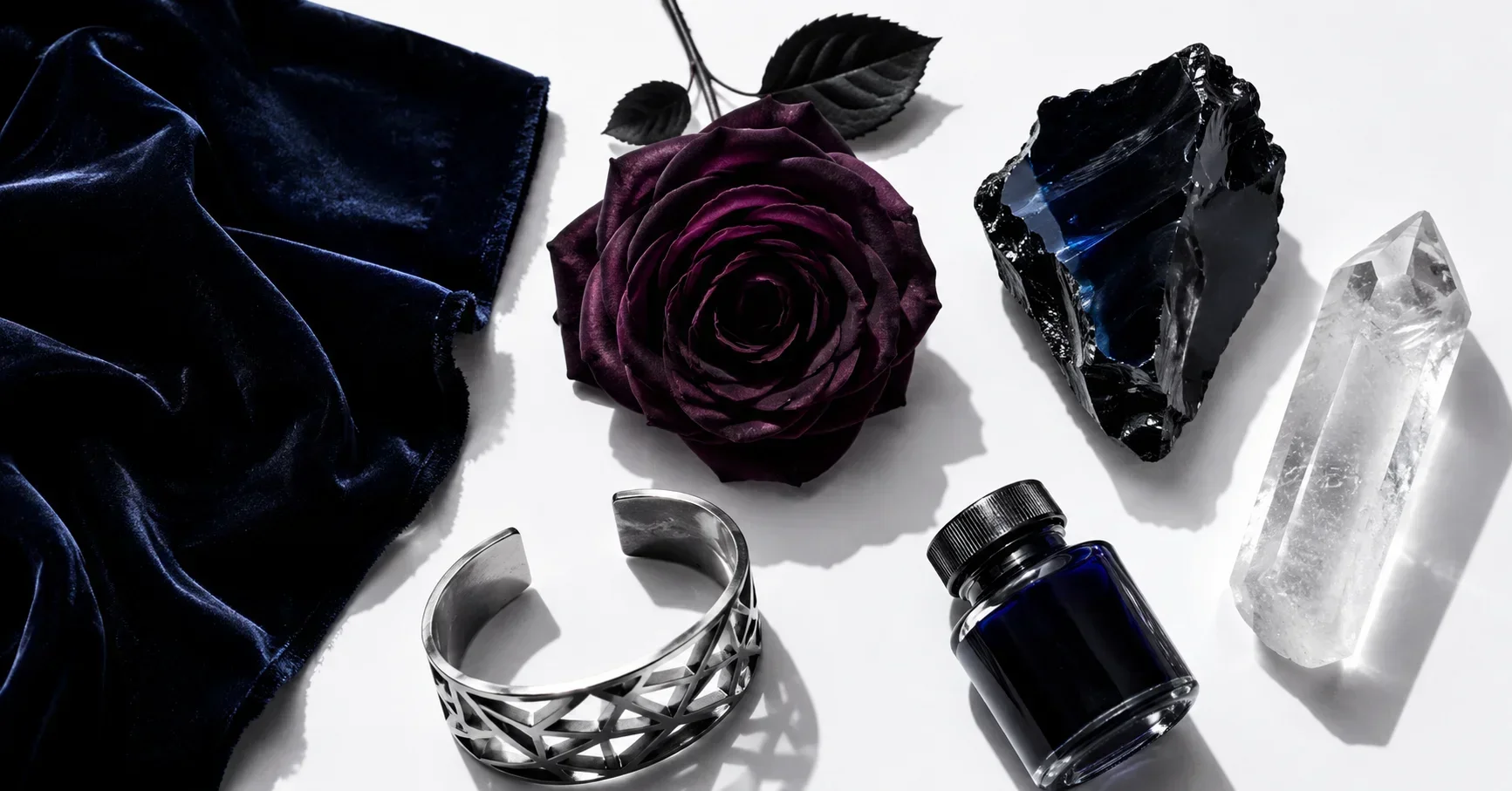
Deep Winter — also called Dark Winter — is the season that lives at the furthest edge of the cool spectrum, where depth and cool temperature combine into something uniquely dramatic. Of all twelve seasons, Deep Winter is the deepest in value: the darkest, richest, most intense iteration of Winter colouring. It is the season that owns black as a true neutral, not a wardrobe workaround. It is the season with the coolest version of very deep skin. It is, by most objective measures, the most dramatic season in the system.
If your colouring is very deep, definitively cool or neutral in undertone, and high in intensity — and if you have ever noticed that very deep, very rich colours look more natural on you than they do on anyone else in the room — this guide is for you.
What Makes a Deep Winter
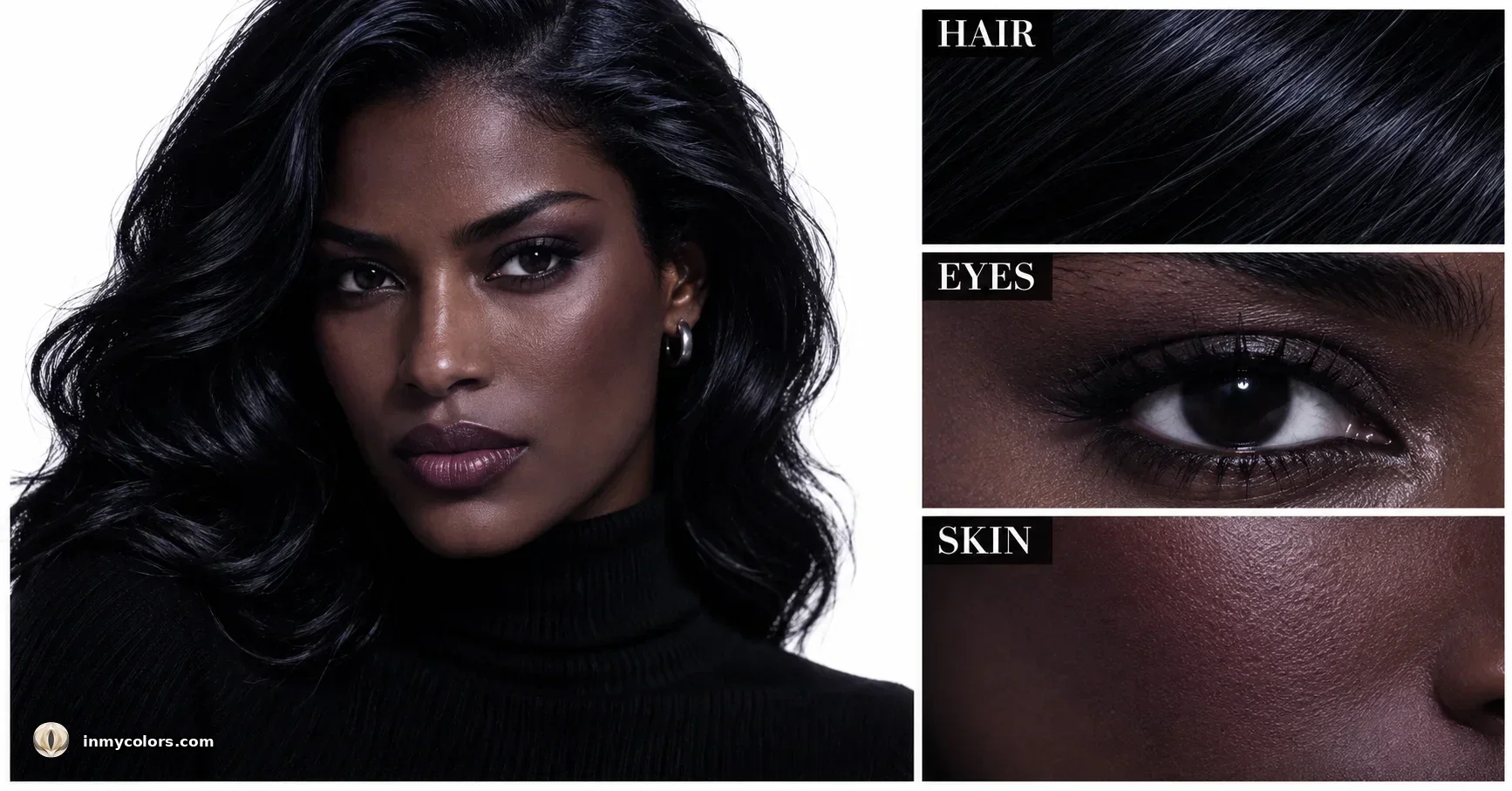
Deep Winter occupies a clear position across the three seasonal axes: cool temperature, the deepest value of any season, and high chroma (clear and vivid, not muted). It sits at the intersection of the Winter and Autumn families in terms of depth, but what firmly places it in Winter is its temperature: this season is cool or neutral-cool, never warm.
Skin. Deep Winter skin ranges from medium-deep to very deep, with a cool or neutral undertone. The defining quality is in the shadows: on Deep Winter skin, the shadows carry a blue-violet or blue-ebony quality. This is the clearest diagnostic marker that separates Deep Winter from its most frequent confusion, Deep Autumn. Where Deep Autumn's skin reads golden-mahogany in the shadows, Deep Winter reads blue-ebony or cool-neutral-dark.
Hair. Deep Winter hair is very dark, very cool. Blue-black, cool near-black, very dark cool brown. There is no visible warmth in the hair in natural light. At its darkest, the hair is essentially blue-black — one of the most striking and distinctive natural hair colours.
Eyes. Near-black, very dark cool brown, deep dark grey. The eyes have an intensity and depth that reads as vivid even in very dark colouring. On lighter skin Deep Winter individuals, the eye depth creates powerful contrast.
Overall impression. Deep Winter colouring reads as powerful, deep, and cool. Where True Winter reads as dramatic through contrast, and Bright Winter through vividness, Deep Winter achieves its impact through depth and intensity. The colouring is not soft. It does not ask for softening. It carries depth and richness the way other seasons carry lightness.
The Deep Winter Colour Palette
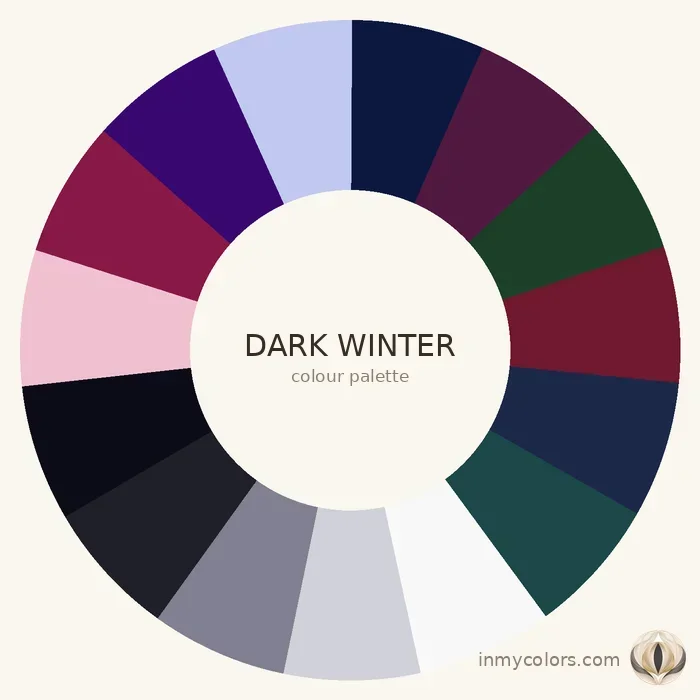
The Deep Winter palette is built for depth, coolness, and intensity. The best colours for this season are deep, clear, and cool — no warmth, no dustiness, no pastels.
Foundation neutrals are the deepest, coolest available: cool grey-white (for contrast accents), mid cool grey-blue, near-black charcoal, and deep cool black. True black is Deep Winter's most powerful neutral — a character unique to this season.
Core colours are the richest, deepest iterations of cool tones. Deep navy, deep cool burgundy, deep emerald, deep cool garnet, deep midnight blue, and deep cool teal — all at their deepest and most saturated. These are not bright or light versions; they are the maximum depth available in each hue.
Accent colours — icy cool pink (for contrast), deep berry, deep cool violet, and pale cool blue-grey — provide range within the palette. The icy colours work as blouse or accent pieces against the deep neutrals.
What to avoid. Warm tones are an absolute priority: gold, warm brown, orange, camel, bronze, copper. But equally important are pastels and light colours — they are simply too light for the depth of the colouring. And muted, dusty tones introduce a warmth and softness that sits at odds with Winter's clear temperature.
Deep Winter in the Wardrobe
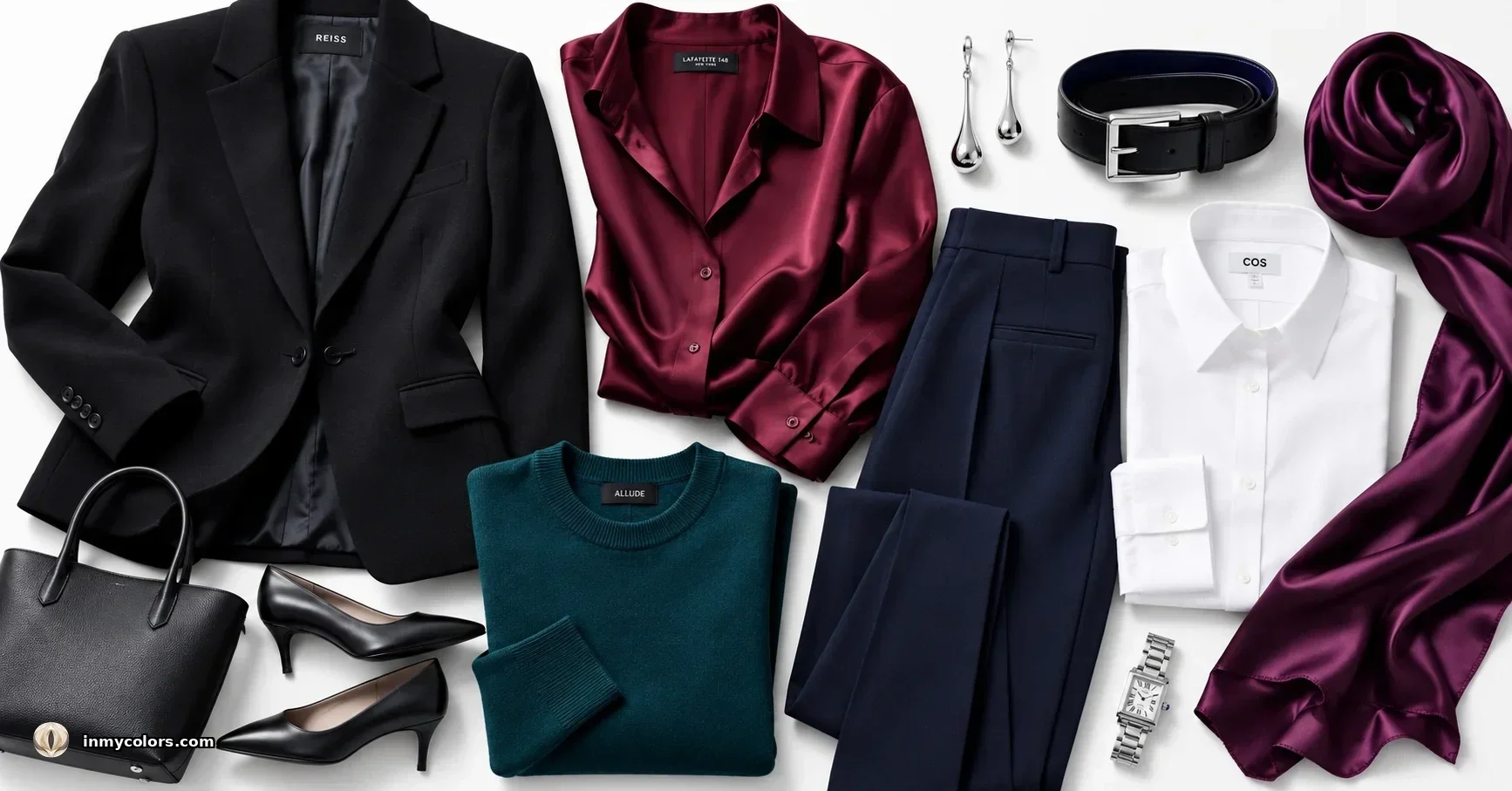
Deep Winter has a wardrobe advantage that is easy to underestimate: very deep, very dark colours that read as sombre or heavy on other seasons read as natural and even neutral on Deep Winter. A deep plum coat is not a statement for this season — it is a versatile outer layer. A rich dark teal blazer reads the way a navy blazer might read on a lighter season.
The wardrobe principle: use true black as your true neutral, layer in the deep cool colours freely, and reserve lighter tones (icy blues, cool whites) for accents or items that frame the face.
For professional environments, Deep Winter has a naturally authoritative wardrobe: deep navy, charcoal, black, and jewel-tone accents in burgundy or teal project confidence and control. For evening wear, deep plum, cool black, and rich burgundy in silk or satin are at home at any formal occasion.
Metals. Silver and cool platinum are the Deep Winter metals. Gold — even pale gold — works against the cool undertone.
Deep Winter Makeup
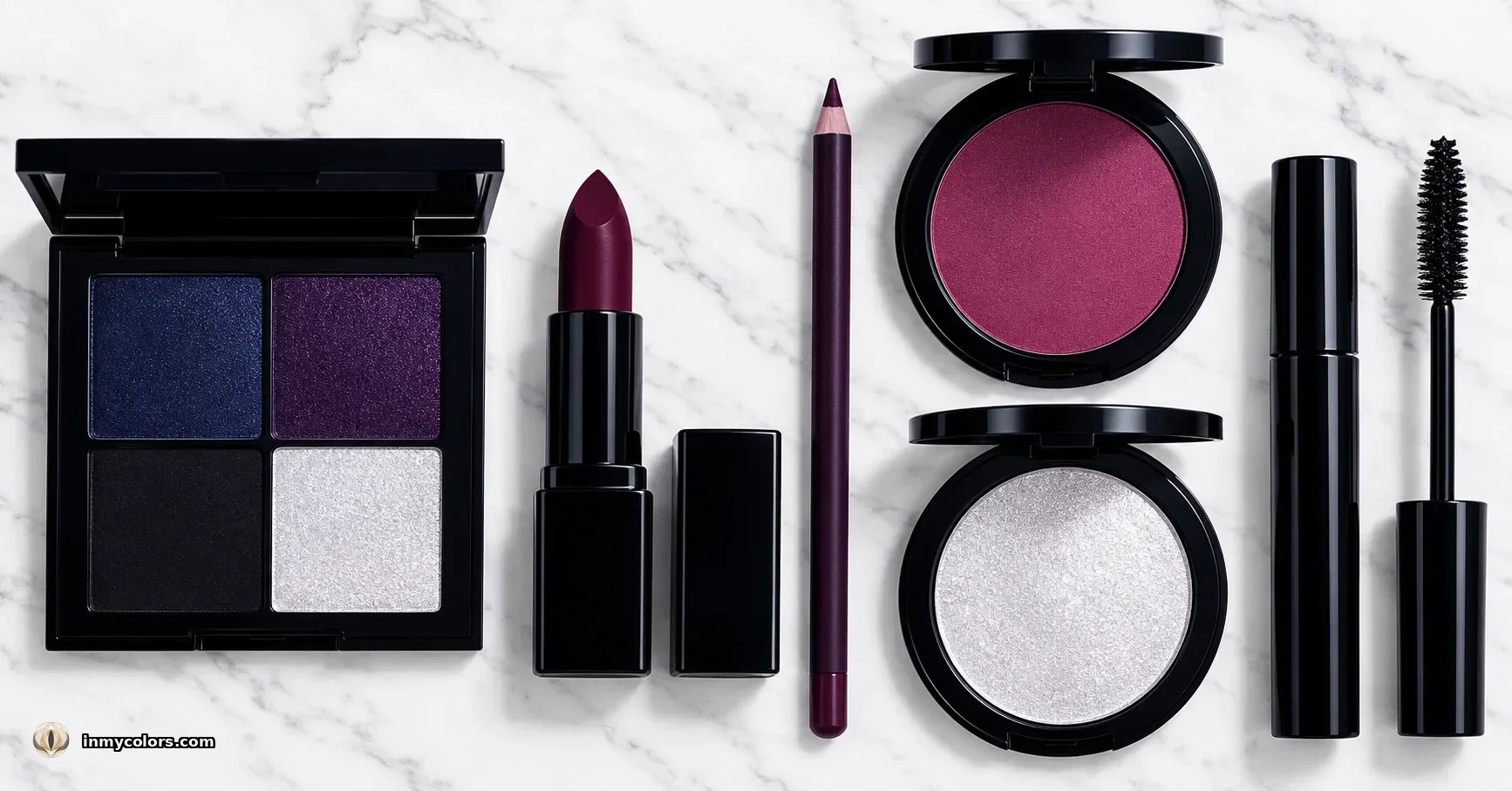
Deep Winter makeup should be cool, deep, and precise. This is the season whose signature look is a bold dark lip.
Foundation. Cool-deep in undertone. Matching the cool or neutral quality of the undertone is essential — a foundation that pulls warm or ashy will throw off the entire look. Deeper-coverage formulas tend to work well, providing a clean base that holds depth.
Blush. Deep cool rose, berry, and deep plum blush. A light, bright pink blush will look disproportionately pale against the depth of the features. A berry or deep cool rose swept with precision reads as elegant rather than severe.
Lips. The bold dark lip is this season's signature. Deep burgundy, cool deep plum, rich cool berry — these are not evening-only choices for Deep Winter, they are the natural territory of the season's best lip looks. A deep burgundy lip on very deep cool skin can be one of the most striking looks in colour analysis. Warm nudes with a peachy or orange base will look muddy against cool skin.
Eyes. Deep charcoal, cool black, and deep navy are the core eye colours. Strong liner in cool black — a defined, precise line. Very black mascara. For colour looks, deep violet, deep teal, and cool dark plum as eyeshadow all sit within the palette.
Deep Winter Hair
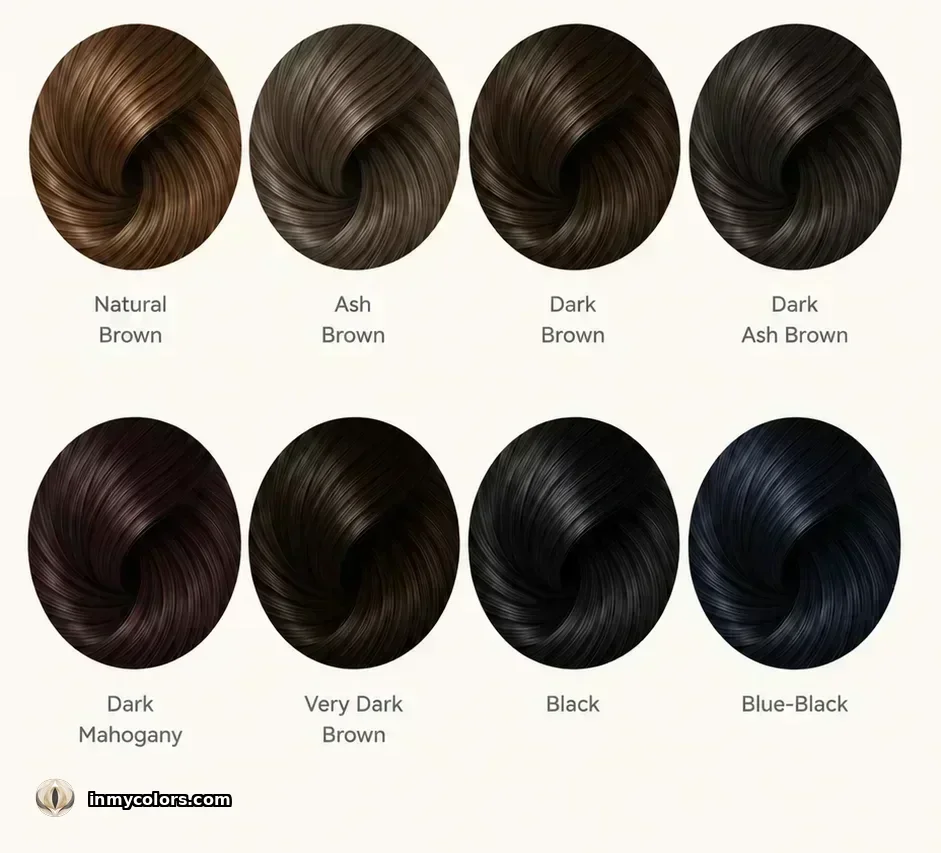
Deep Winter hair is at its strongest when it maintains its natural depth and cool quality. Blue-black, cool near-black, very dark cool brown — the natural hair colour for many Deep Winter individuals is blue-black, and it is one of the most powerful natural hair colours in the entire system.
If dyeing, the only direction to move is deeper and cooler. Blue-black is the natural and optimal direction. Lightening the hair even slightly will reduce the season's most powerful asset: its extraordinary depth.
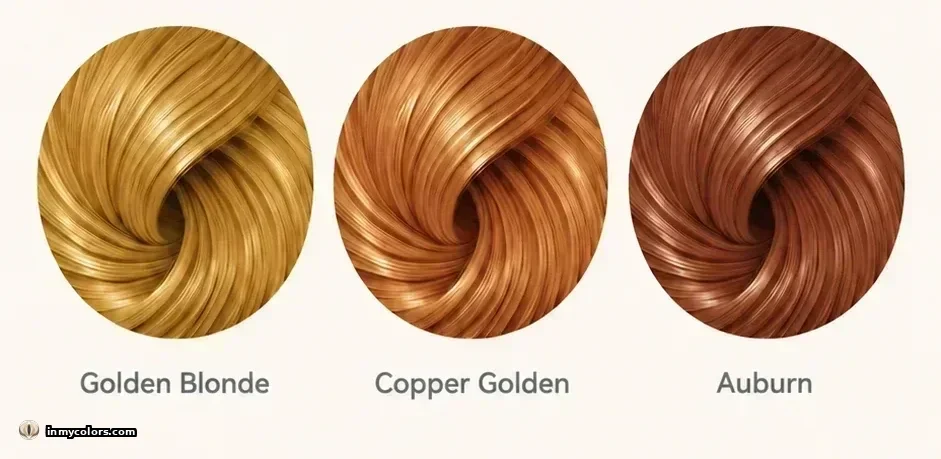
Warm tones in the hair at all costs. Auburn, golden highlights, warm brown, caramel, warm balayage — all of these introduce warmth that conflicts with the skin's cool undertone and dissolves the depth that defines the season.
Deep Winter Celebrities
A note on celebrity examples: these assignments are educated guesses — celebrity photos are professionally edited, lighting varies, and makeup is always applied. These names are commonly cited examples, not verified classifications. Use them as a rough visual reference, not a confirmation of your own season. The only reliable way to find your season is an objective analysis of your actual colouring — not a comparison to someone else's. Find yours at inmycolors.com.
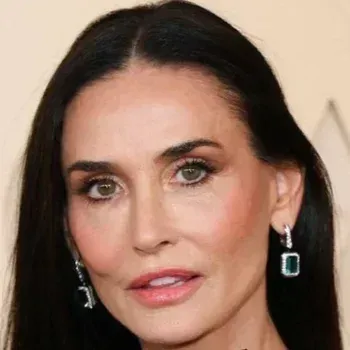
Demi Moore is a widely cited Deep Winter reference: near-black hair, fair cool-neutral skin, and grey-green eyes — a high-contrast, definitively cool profile. Her natural colouring reads most powerfully in the deep, cool combinations of Deep Winter: black, deep burgundy, and deep cool teal.
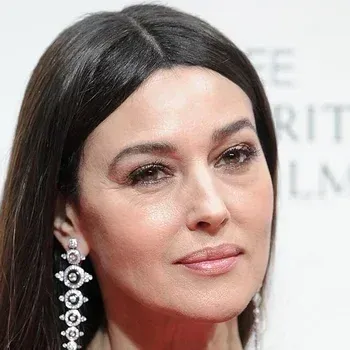
Monica Bellucci demonstrates Deep Winter with near-black hair, fair cool-neutral skin, and deep dark eyes. Her colouring has the cool intensity and rich depth that define this season — at her most striking in the deep, dramatically saturated cool combinations that are Deep Winter's natural territory.

Anne Hathaway shows Deep Winter colouring with dark cool brown hair, fair cool skin, and dark brown eyes. Her natural features have the depth and cool clarity that place her in the Winter family — most striking in deep burgundy, midnight navy, and cool emerald.

Dua Lipa demonstrates Deep Winter with near-black hair, fair-medium cool-neutral skin, and dark grey-green eyes. Her natural colouring has the cool depth and neutral-cool undertone of this season, responding most powerfully to the dark, cool, richly saturated colours of Deep Winter.

Danielle Brooks represents Deep Winter at the deeper end of the season's skin range: very dark near-black hair, deep cool-neutral skin, and dark eyes. The cool, clear undertone visible in the skin's shadows distinguishes Deep Winter from Deep Autumn at this depth — and her colouring is most powerful in the deep, cool colours that are this season's core palette.
Common Misclassifications
Deep Winter vs. Deep Autumn. This is the most consequential misclassification for Deep Winter. Both seasons share very deep value and high intensity. The critical difference is temperature. Deep Autumn is warm — the shadows of the skin carry a golden-mahogany quality. Deep Winter is cool — the shadows carry a blue-violet or cool-neutral quality. The diagnostic: compare a warm caramel-gold and a cool silver-grey against the face in natural light. The one that makes the skin look even-toned and vibrant reveals the undertone, and with it, the season.
Deep Winter vs. True Winter. True Winter is moderate in depth; Deep Winter is the deepest Winter. If black and deep burgundy are among your most natural and effortless colours rather than colours that feel severe, you are likely at the dark end of the Winter family.
Deep Winter vs. Dark Autumn. Dark Autumn is warm and muted; Deep Winter is cool and clear. An individual who looks beautiful in warm, rich autumn earth tones and gold is Dark Autumn. An individual who looks powerful in cool, deep, clear jewel tones and silver is Deep Winter.
Getting Your Season
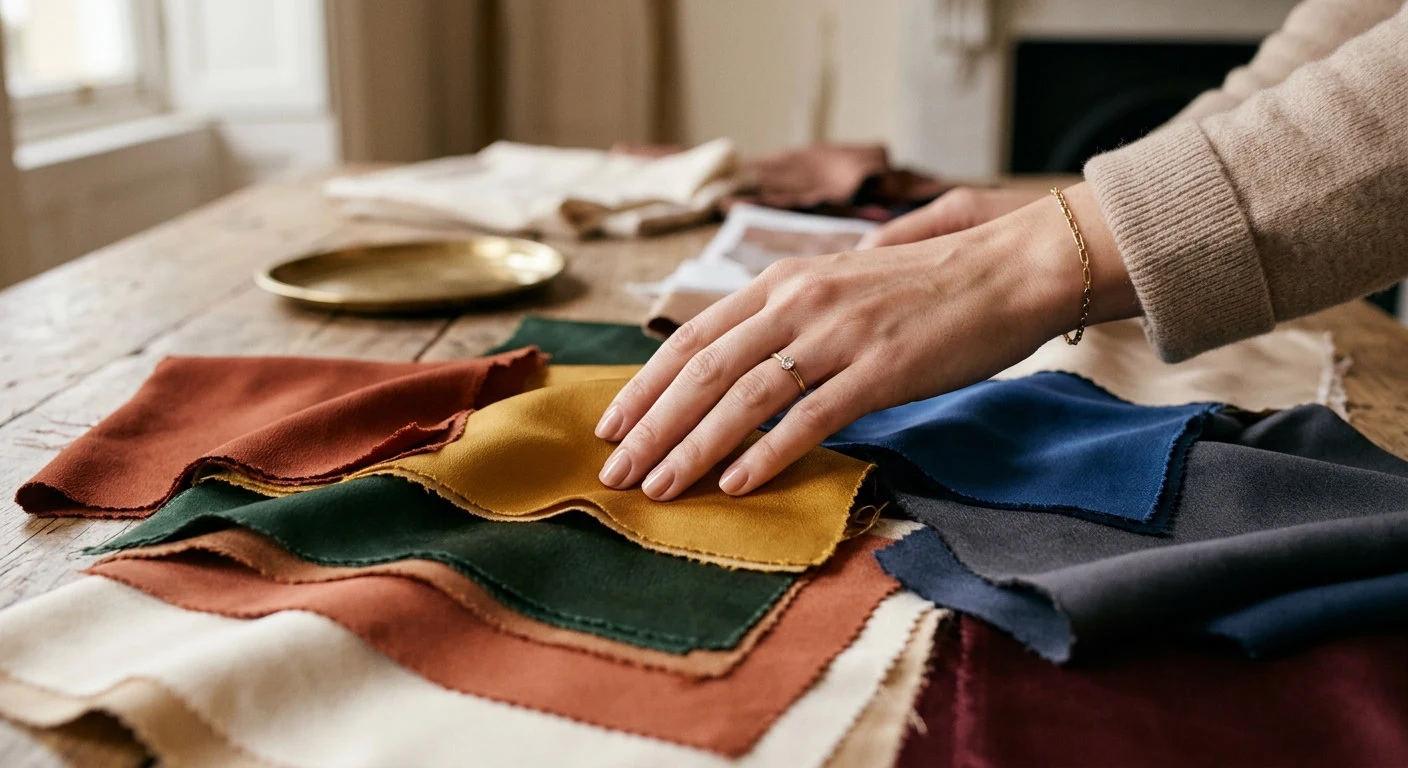
Deep Winter is one of the more reliably identifiable seasons once the cool-vs-warm undertone question is settled, precisely because its depth is so distinctive. The challenge is that many people with very deep colouring assume they are a warm season because they see warmth in their skin in certain lighting. The reliable test is neutral light: natural daylight on the face. In that light, Deep Autumn skin will show golden-mahogany warmth in the shadows; Deep Winter skin will show a cooler, blue-neutral quality.
The wardrobe test is equally reliable. If true black is among your most flattering neutrals, if deep burgundy and rich navy look as natural on you as cream looks on a Warm Autumn, and if warm gold feels at odds with your face while silver feels effortless, Deep Winter is a strong candidate.
Find your season at inmycolors.com.