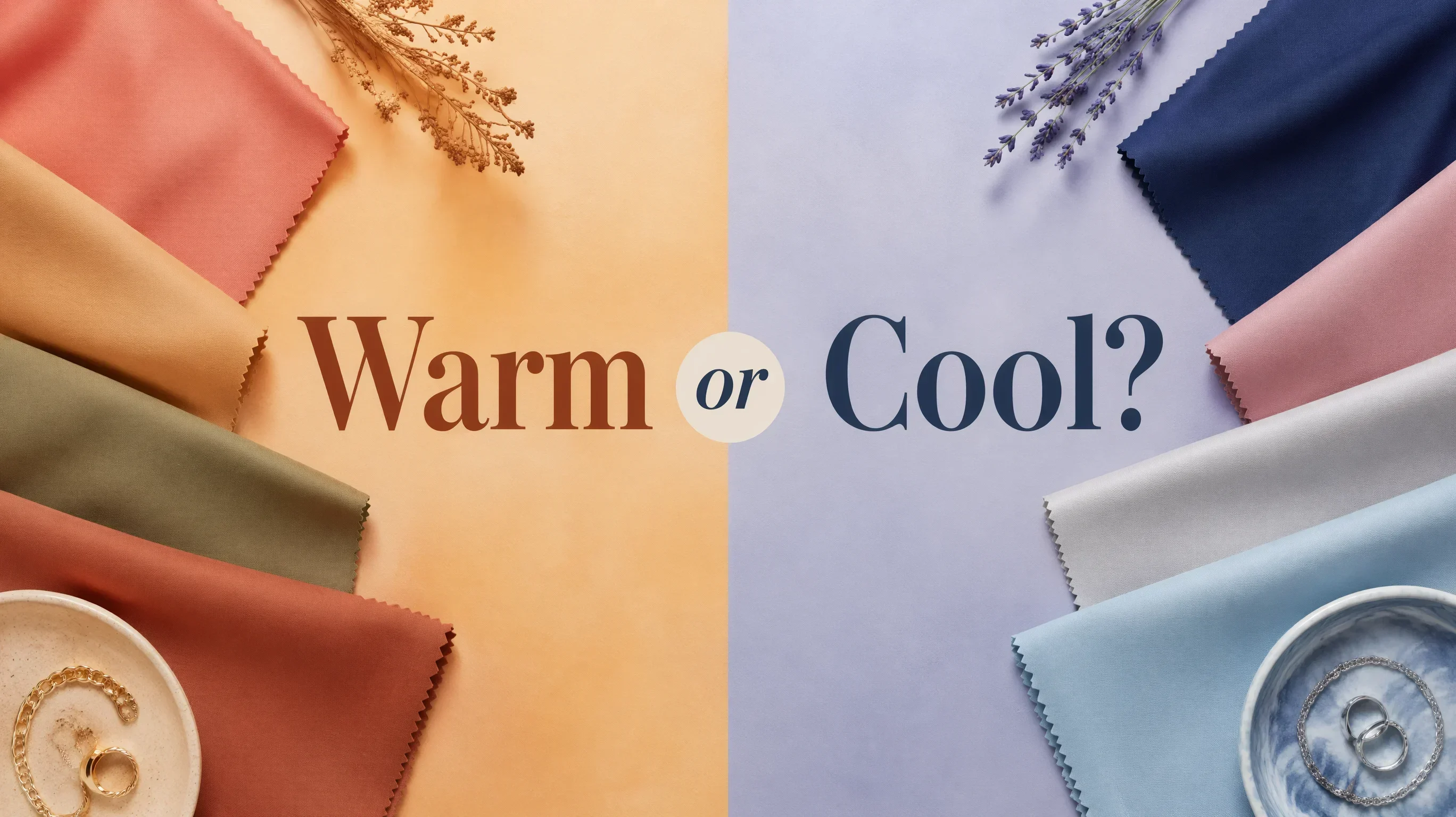
Before sub-seasons. Before contrast levels. Before chroma. There is exactly one question that every colour analysis must answer first: are you warm or cool?
Get this right, and the rest of the analysis falls into a logical sequence. Get it wrong, and you can spend months buying clothes that look almost-but-not-quite right, taking the wrong makeup advice, and wondering why certain colours that should look good just don't.
This is the most fundamental diagnostic in the 12-season system — and also the most misunderstood.
What "Warm" and "Cool" Actually Mean
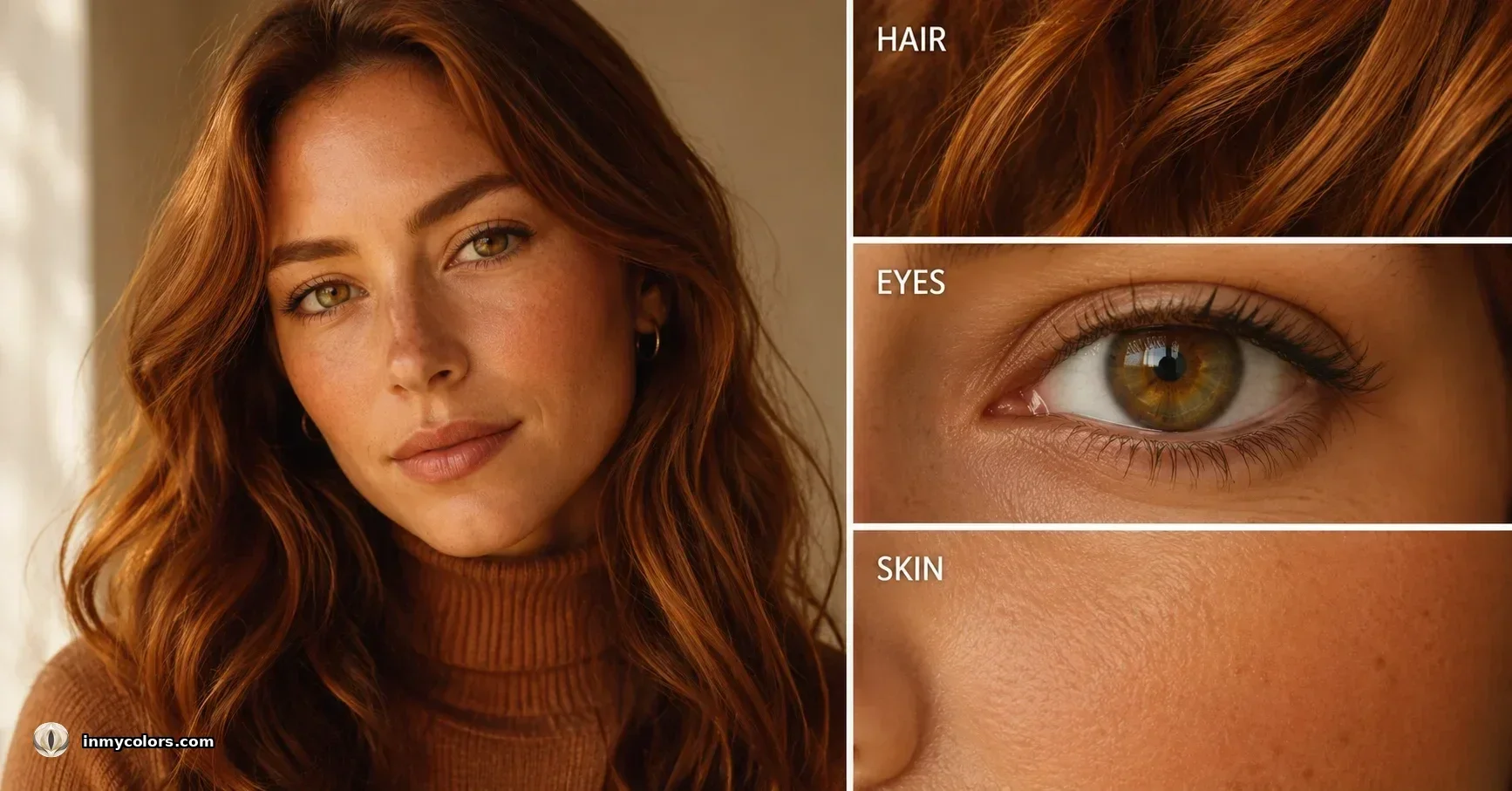
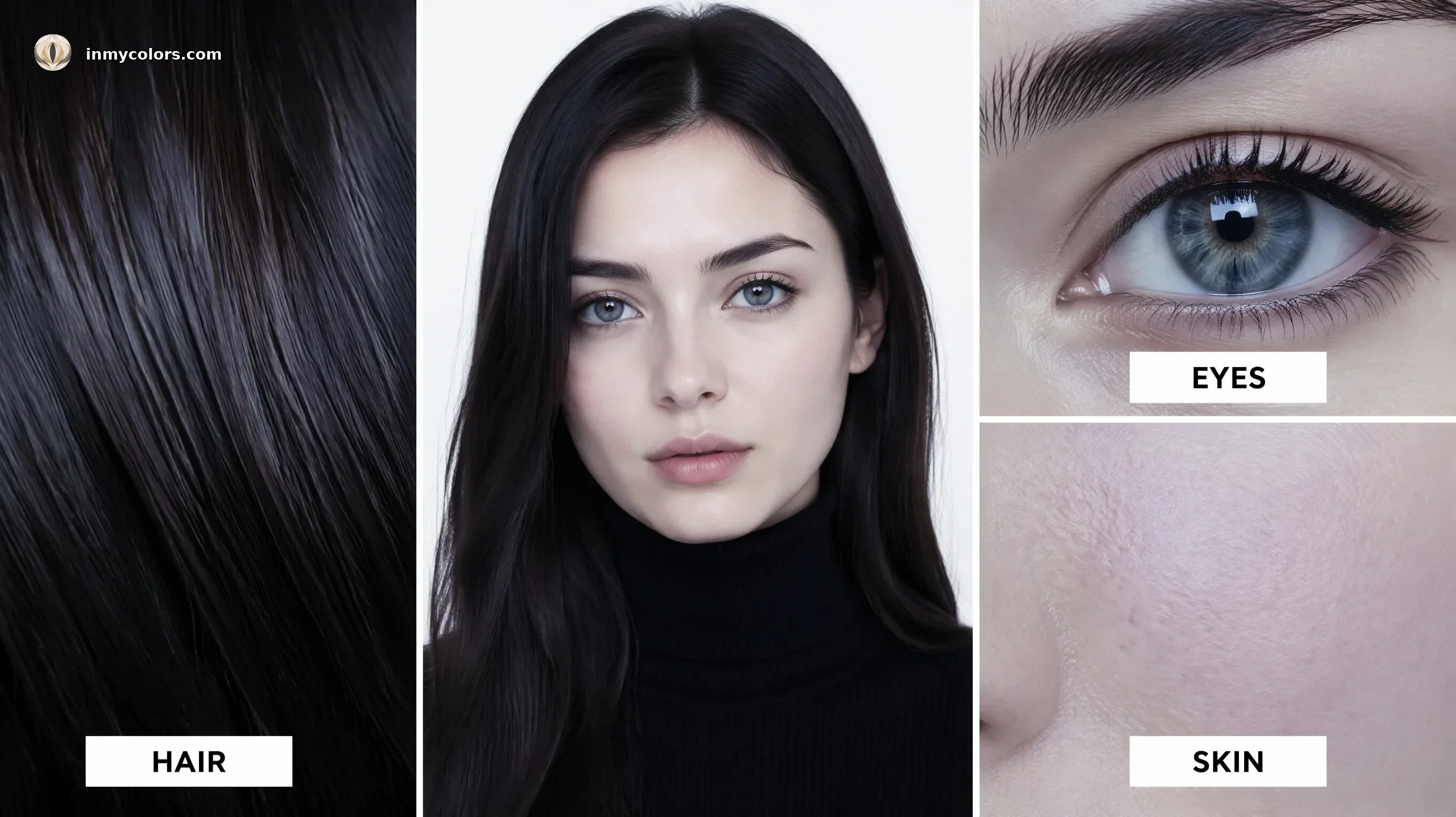
In colour analysis, temperature refers to the undertone of your colouring: the subtle cast beneath the surface of your skin, reflected in your hair, and present in the quality of your eyes. It does not mean:
- ✦How dark or fair you are
- ✦How "warm" your personality is
- ✦The warmth of your skin tone in photography
- ✦Whether you look "better in earth tones"
Temperature is a specific optical quality. Warm undertone means there is yellow, golden, or peachy cast in your skin. Cool undertone means there is pink, rosy, or bluish cast. These are biological — determined by the ratio of haemoglobin (pink-red) to carotenoids (yellow-orange) in your skin, combined with your melanin.
Why Temperature Is the First Question
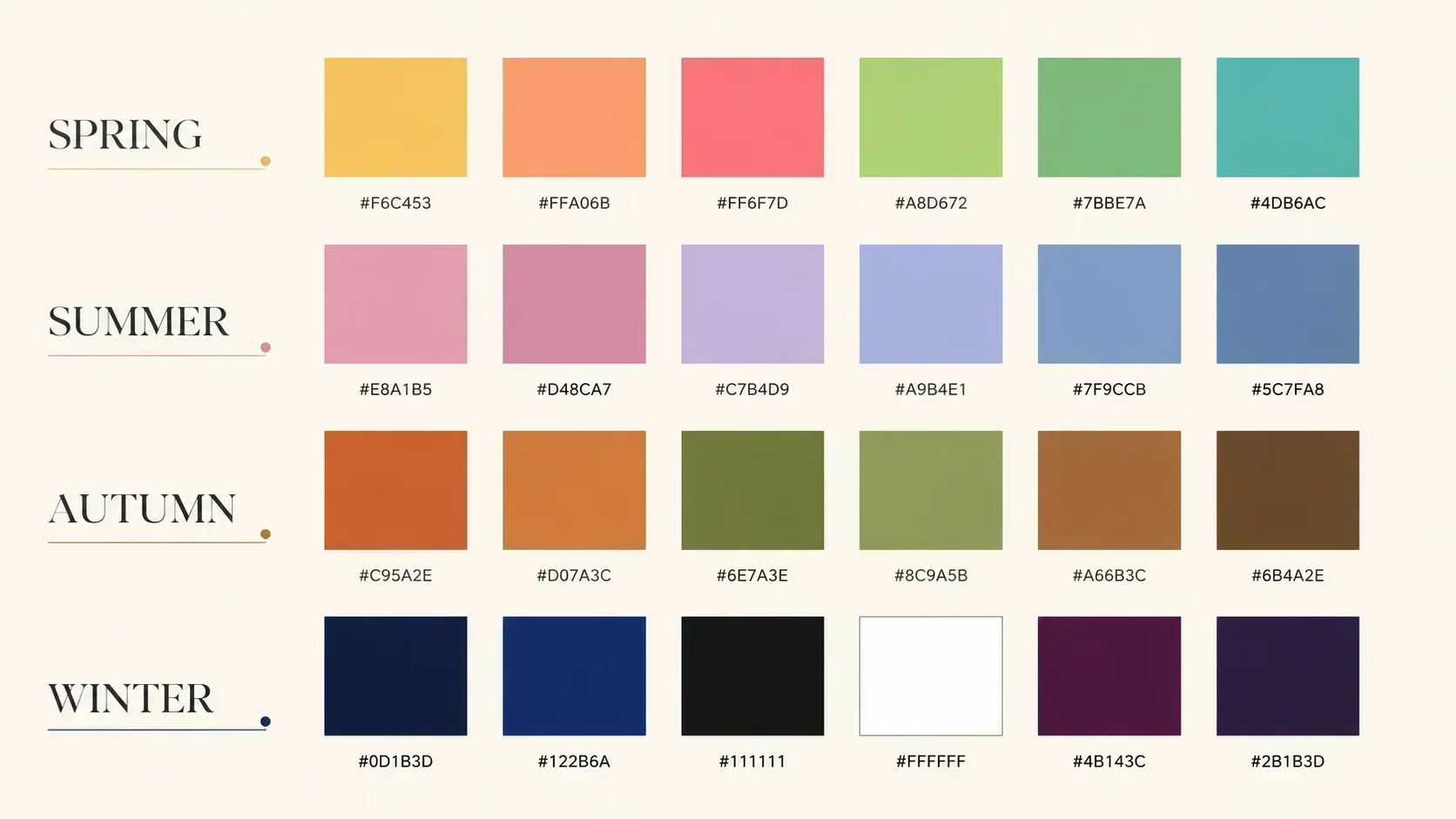
The 12-season system divides into two camps before anything else:
The warm camp (Spring and Autumn family):
- ✦Light Spring, True Spring, Bright Spring
- ✦Soft Autumn, True Autumn, Deep Autumn
The cool camp (Summer and Winter family):
- ✦Light Summer, True Summer, Soft Summer
- ✦True Winter, Bright Winter, Dark Winter
Every one of the 12 seasons sits on one side of this divide. If you incorrectly identify yourself as warm when you're cool, you'll be comparing yourself against Spring and Autumn palettes that will never be quite right. The error compounds at every subsequent step.
The 3 Reliable Self-Tests
No single test is conclusive on its own. But three tests in agreement give you a very high-confidence answer.
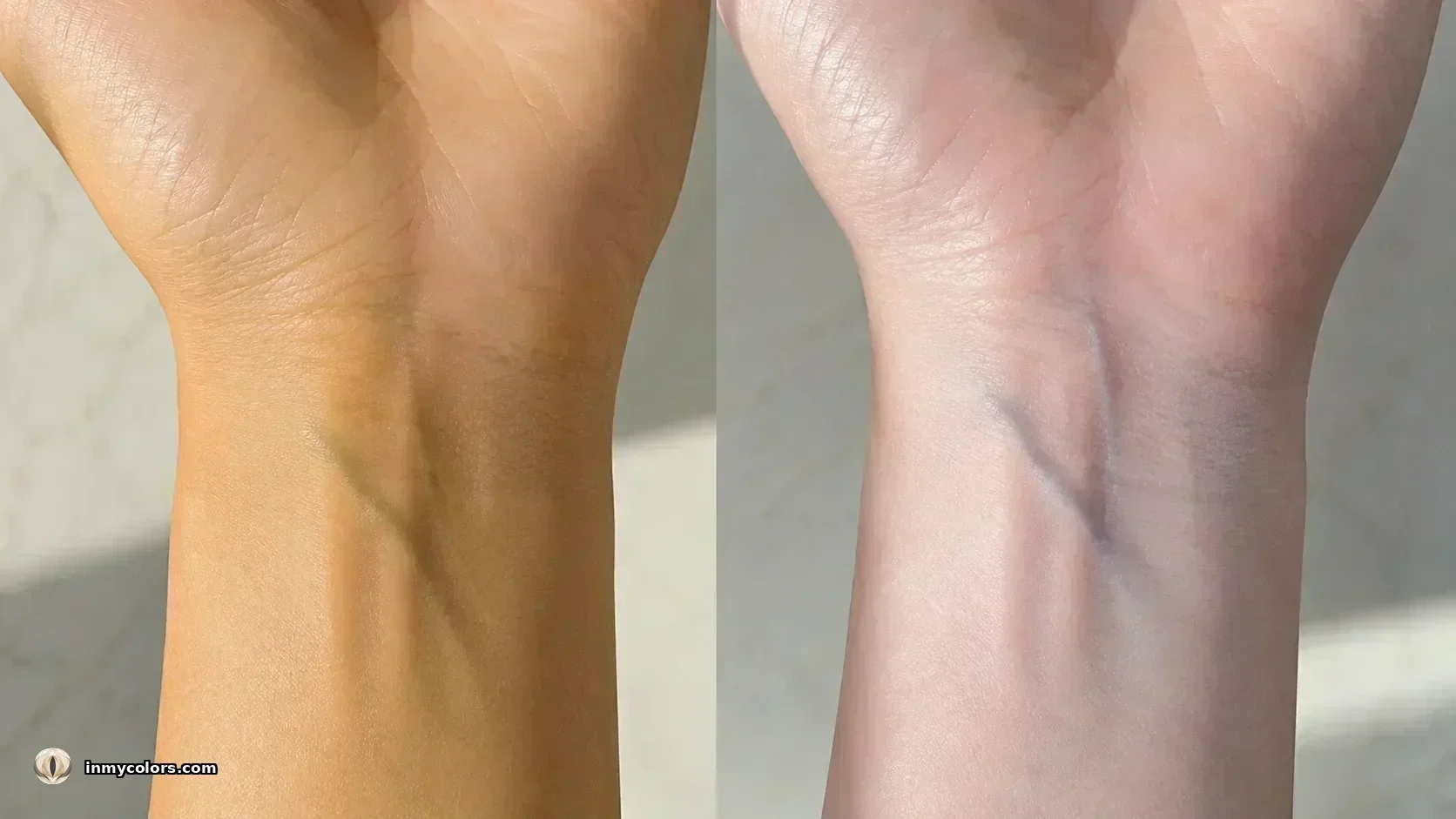
Test 1: The Vein Test
Look at the underside of your wrist in natural daylight — near a window, not under artificial lighting, which always skews warm. Relax your hand.
- ✦Veins look green or greenish-blue: your skin has yellow in it, which tints the veins green. You're warm.
- ✦Veins look blue or purple: no yellow to counteract the blue. You're cool.
- ✦Veins look teal or genuinely in-between: you're in the neutral-warm or neutral-cool range. Look at the other two tests for a tiebreaker.
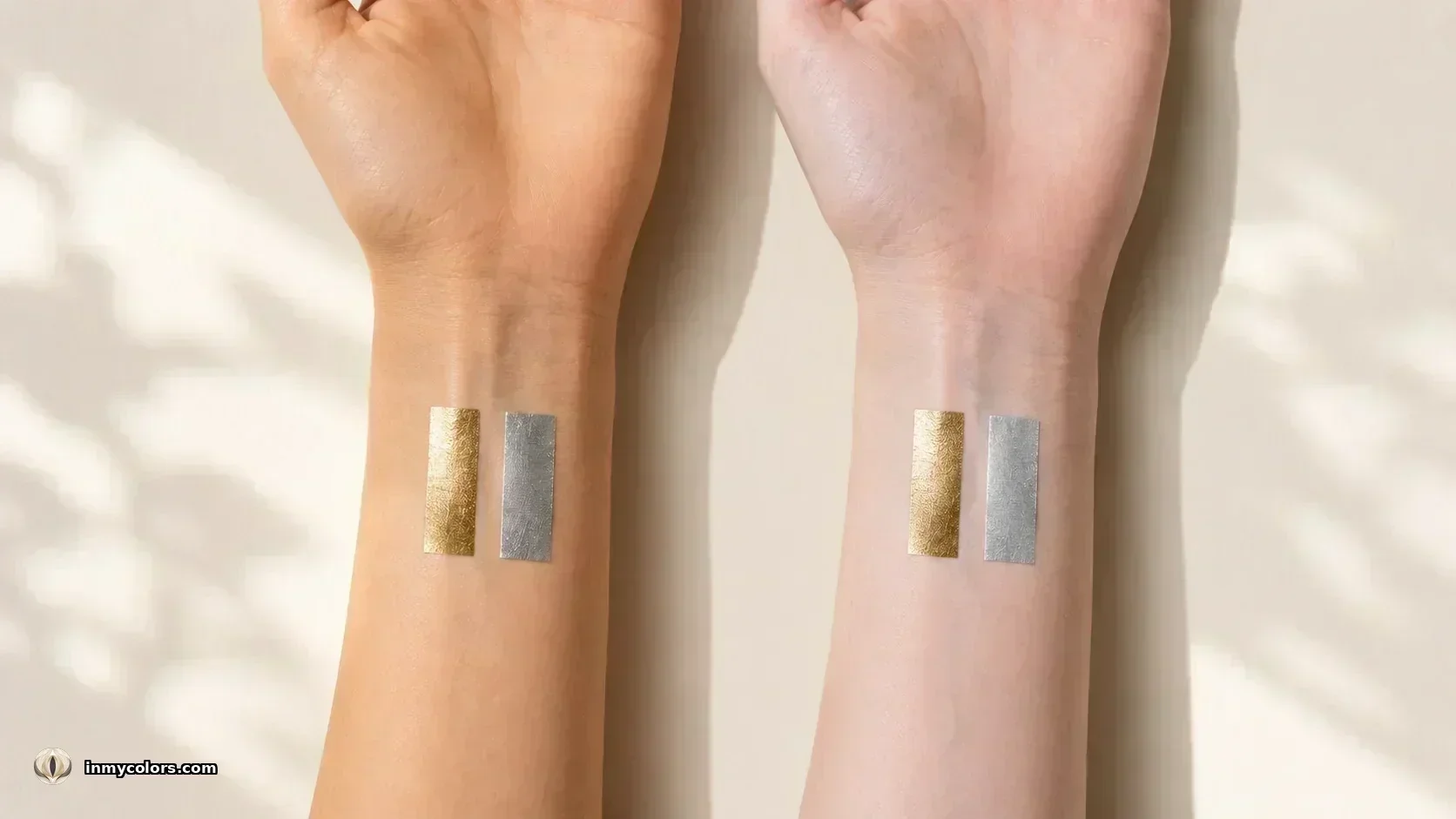
Test 2: The Jewellery Test
Hold a piece of gold jewellery (real yellow gold or close approximation) and a piece of silver jewellery against your bare face in natural daylight. No makeup.
- ✦Gold looks harmonious, warm, flattering: warm. Spring or Autumn.
- ✦Silver looks cleaner, sharper, more natural against your skin: cool. Summer or Winter.
Most people feel the difference immediately the first time they do this properly. If you've only ever worn one metal, try buying a cheap ring in the other and comparing. The contrast is often stark.

Test 3: The White/Cream Test
Hold a stark bright white fabric and a warm cream or ivory fabric to your face in natural daylight.
- ✦Warm ivory or cream looks better — you look healthier, the fabric looks like it belongs: warm
- ✦Bright white looks better — you look cleaner, crisper, more alive: cool
White is one of the most diagnostic colours because warm skin against stark white looks slightly sallow, while cool skin against warm cream looks slightly dull.
The Crucial Point: Depth Does Not Determine Temperature
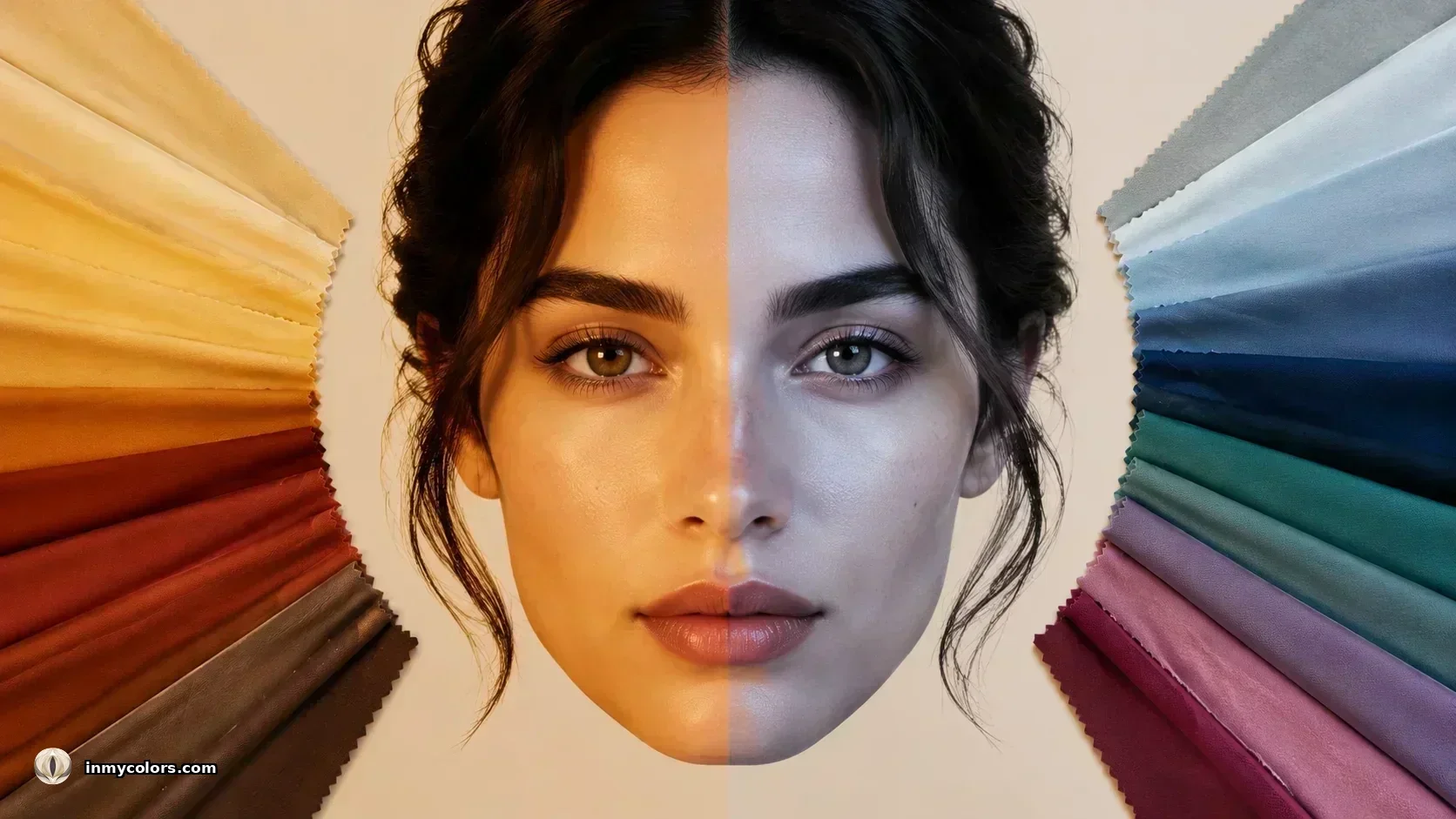
This is the single most important thing this article can tell you. Your temperature has nothing to do with how dark or fair your skin is.
There are very fair warm people (Light Spring), very deep warm people (Deep Autumn), very fair cool people (Light Summer, True Winter), and very deep cool people (Dark Winter).
The internet frequently conflates dark skin with Winter (cool) and fair skin with Spring (warm). This is surface-level pattern-matching that causes widespread misclassification. Deep Autumn is one of the most commonly missed seasons precisely because dark-skinned people are so often funnelled toward Winter regardless of their actual undertone.
Temperature lives in the undertone — the quality beneath the skin — not the skin's depth.
The Neutral Exception

Some people genuinely sit very close to the warm/cool divide. They may get mixed results from the three tests. This is common — it doesn't mean the system is broken, it means you're in a neutral zone.
If you're genuinely between warm and cool, you'll likely land in one of the more neutral-feeling seasons: Soft Autumn (warm, but the most neutral of the Autumns) or Soft Summer (cool, but the most neutral of the Summers). Even if you're neutral, you still belong to one temperature family. Trust the direction, not the intensity.
The 4 Warm Seasons at a Glance
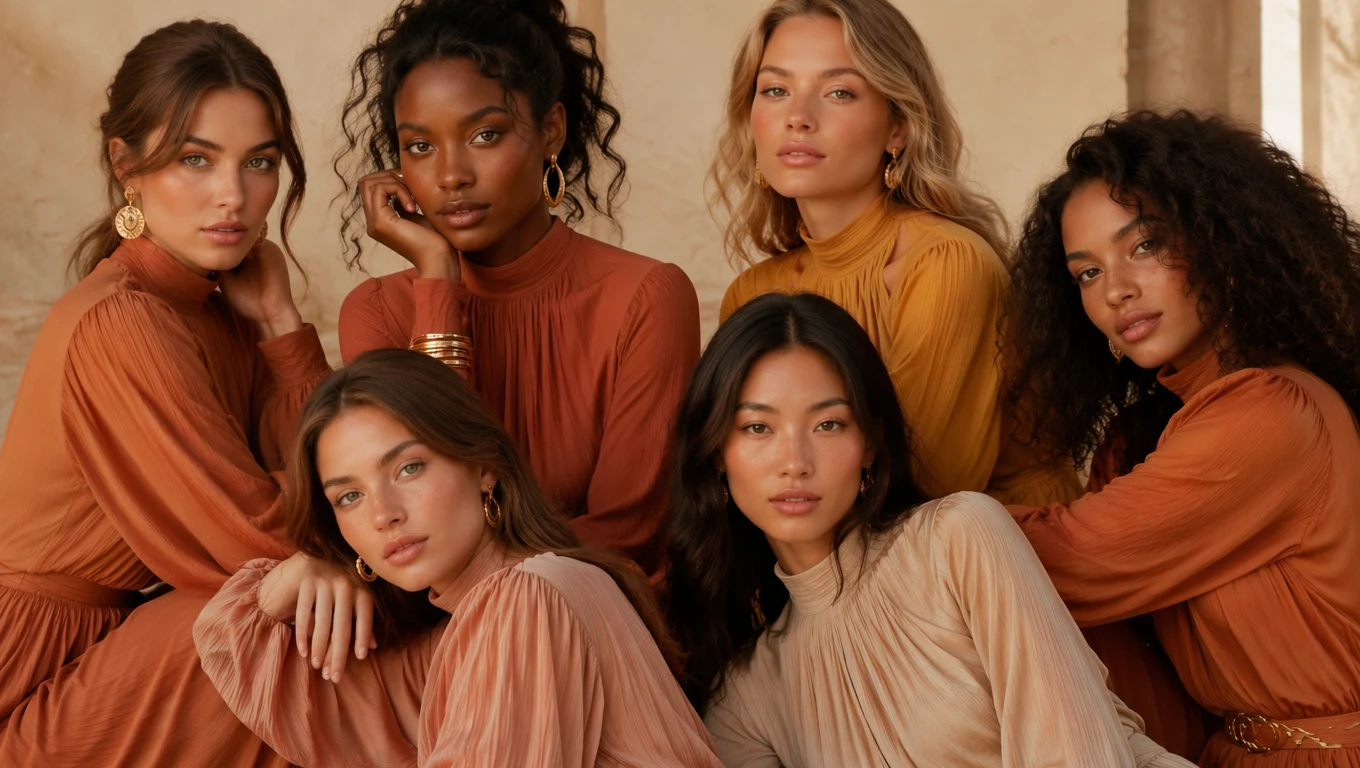
Light Spring: Delicate, warm, fair. Golden ivory skin, warm blonde hair, warm-tinted eyes. Best colours: peach, warm coral, golden ivory, warm nude.
True Spring: Warm and clear. Golden-peachy skin, medium warm hair, bright warm eyes. Best colours: coral, warm turquoise, golden yellow, warm camel.
Bright Spring: Warm and clear with higher contrast. Vivid warm colours without muddiness. Best colours: bright coral, warm fuchsia, clear warm green, vivid warm aqua.
Soft Autumn: Warm but muted. The most neutral Autumn. Best colours: warm terracotta, muted olive, soft camel, dusty warm coral.
True Autumn: Warm, muted, earthy. The archetypal Autumn. Best colours: cognac, forest green, warm olive, rich burnt orange.
Deep Autumn: Warm and deep. The richest Autumn. Best colours: mahogany, dark chocolate, deep forest green, warm teal.
The 4 Cool Seasons at a Glance
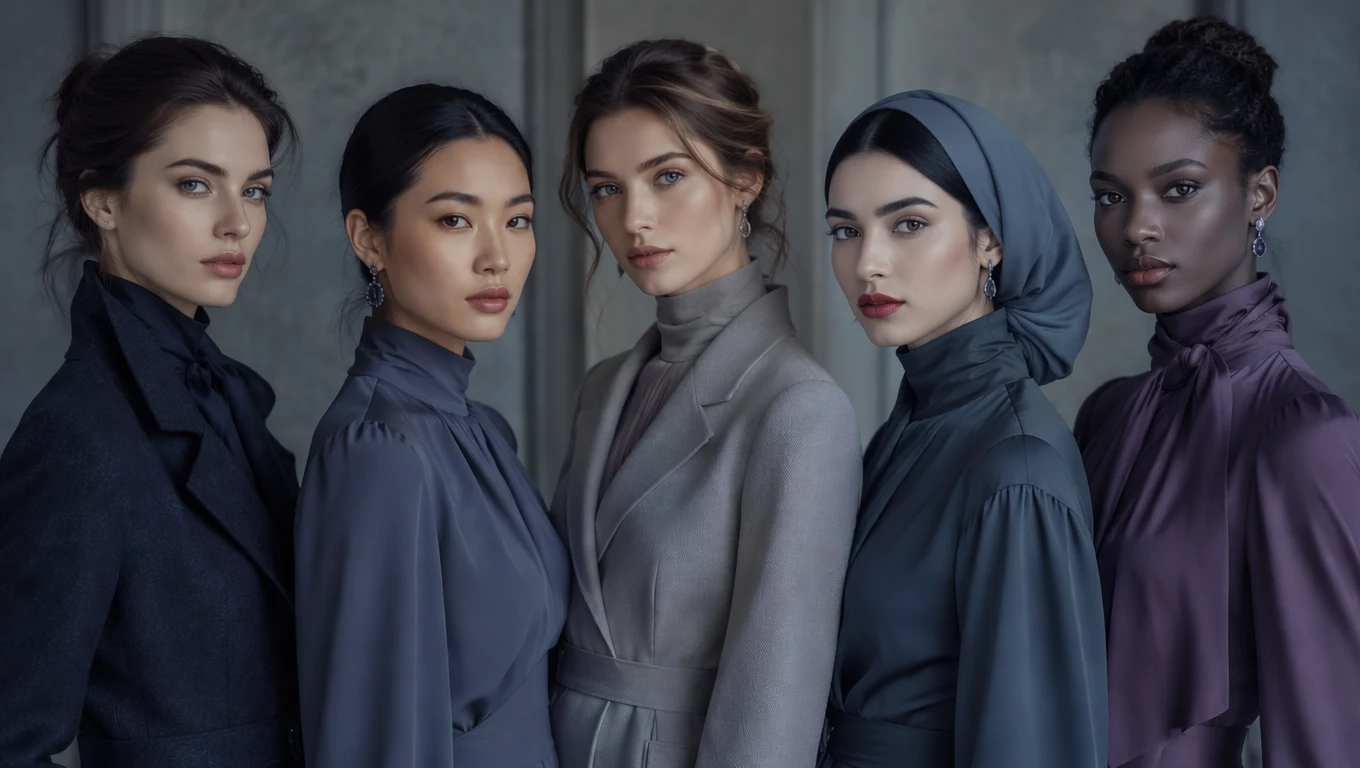
Light Summer: Delicate, cool, fair. Rosy-cool skin, light ash hair, cool-tinted eyes. Best colours: powder blue, soft lavender, cool rose, dusty pink.
True Summer: Cool and muted. The archetypal Summer. Best colours: raspberry, cool blue-grey, dusty rose, soft navy.
Soft Summer: Cool but muted, most neutral of the Summers. Best colours: cool taupe, muted dusty mauve, soft blue-green, greyed lavender.
True Winter: Cool and clear. High contrast, no warmth. Best colours: true black, stark white, cool red, cobalt blue.
Bright Winter: Cool with very high chroma. The most vivid season. Best colours: fuchsia, electric blue, pure white, cool red.
Dark Winter: Cool and deep. Best colours: black, cool burgundy, deep charcoal, midnight navy, plum.
Getting Your Answer

Do all three tests. Write down which direction each one points. If two or three say warm: you're in the Spring or Autumn family. If two or three say cool: you're in the Summer or Winter family.
From there, the next questions are about value (light or deep) and chroma (clear/vivid or muted/soft) — which will narrow you to your specific season.
Find your season at inmycolors.com.